Ethics Complaint Filed Against DHS Lawyer Over Social Media Attacks on Judges
A coalition of 128 retired jurists has lodged an ethics complaint against a high-ranking Department of Homeland Security lawyer for allegedly attacking four sitting judges on social media. This unprecedented move raises serious questions about the intersection of legal ethics and social media conduct.
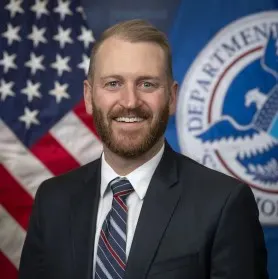
In a striking development that highlights the intersection of social media conduct and legal ethics, a coalition of 128 retired jurists has formally filed an ethics complaint against James Percival, a lawyer with the Department of Homeland Security (DHS). The complaint stems from allegations that Percival launched coordinated attacks on four sitting judges via social media platforms. Such actions not only challenge the decorum expected of legal professionals but also raise critical questions about the role of public discourse in the judicial process.
The retired judges assert that Percival's behavior undermines the integrity of the judicial system and sets a dangerous precedent for the treatment of judges in the public eye. As public servants, judges are expected to operate with a degree of protection from personal attacks, allowing them to perform their duties free from external pressures. However, the rise of social media has blurred the lines of professionalism, leading to potential ethical breaches that could have far-reaching implications.
The Context: Legal Ethics and Social Media
Legal ethics are designed to ensure the integrity of the legal profession, maintaining public confidence in the judicial system. These ethical standards dictate how lawyers and judges should conduct themselves, both in and out of the courtroom. With the advent of social media, the landscape of legal ethics has evolved significantly. Lawyers are now navigating uncharted waters as they balance their personal expression with professional responsibility.
Understanding the Role of Ethics in Law
Ethics in the legal profession serve several key purposes:
- Maintaining Professionalism: Lawyers and judges must uphold a high standard of conduct, ensuring that their actions do not erode public trust.
- Protecting Judicial Independence: Attacks on judges can undermine their ability to make impartial decisions, a cornerstone of the judicial system.
- Setting Precedents: Actions taken against one attorney can set a precedent for future conduct, influencing the behavior of other legal professionals.
As social media becomes a pervasive communication tool, legal professionals must adapt to these changes while remaining aligned with established ethical standards. The allegations against Percival highlight the potential for social media to not only amplify voices but also create a platform for potential misconduct.
Specific Allegations Against James Percival
The ethics complaint against Percival details specific instances where he allegedly used social media to criticize and attack the four judges. According to the retired jurists, these actions were not mere expressions of disagreement but rather personal attacks that struck at the judges' integrity and competence. Such behavior, they argue, not only violates ethical guidelines but also poses a threat to the impartiality and independence of the judiciary.
The Impact of Social Media on Judicial Perception
Judges are public figures, yet they are expected to operate with a degree of insulation from public opinion. Attacks on their character can influence how the public perceives the judiciary and can ultimately affect their ability to perform their roles effectively. The retired judges' complaint underscores how damaging online rhetoric can have real-world consequences for the judicial process.
The Broader Implications for Legal Professionals
The allegations against Percival are not just a concern for him personally; they signal a broader issue within the legal community regarding the use of social media. Lawyers across the country are grappling with similar dilemmas as they seek to engage with the public while adhering to ethical standards. The following are some key considerations for legal professionals using social media:
- Think Before You Post: Lawyers should consider how their posts may be perceived and the potential for misinterpretation.
- Maintain Professional Boundaries: Distinguishing between personal and professional accounts can help mitigate risks.
- Stay Informed: Understanding the ethical guidelines set forth by state bar associations is crucial in navigating social media conduct.
As the digital landscape continues to evolve, so too will the challenges faced by legal professionals. The actions of James Percival serve as a cautionary tale for those who may underestimate the potential fallout from their online interactions.
Next Steps for the Ethics Complaint
The filing of this ethics complaint is just the beginning of a lengthy process. The next steps will involve a thorough investigation into the allegations against Percival. Depending on the findings, potential outcomes could range from reprimands to more severe disciplinary actions. This process serves both as a means of accountability and as an opportunity for the legal community to reflect on the standards of conduct expected of its members.
The Role of State Bar Associations
State bar associations play a critical role in overseeing the conduct of lawyers, including handling ethics complaints. In this case, the bar association will need to carefully review the evidence and determine the appropriate course of action. They will consider factors such as the severity of the allegations and Percival's previous conduct to make an informed decision.
Key Takeaways
- The ethics complaint against DHS lawyer James Percival raises significant concerns over social media conduct among legal professionals.
- Legal ethics are essential for maintaining judicial independence and public trust in the legal system.
- Lawyers must navigate the challenges of social media while adhering to established ethical guidelines.
- The outcome of the ethics complaint could have far-reaching implications for the legal community.
Frequently Asked Questions
What are the potential consequences of the ethics complaint against James Percival?
The consequences could range from a formal reprimand to suspension or disbarment, depending on the severity of the findings from the investigation. The legal community will be closely watching this case as it unfolds, as it may set a precedent for future conduct in similar situations.
How can lawyers protect themselves when using social media?
Lawyers can protect themselves by being mindful of their online presence, maintaining professional boundaries, and staying informed about ethical guidelines. Creating separate personal and professional accounts can also help mitigate the risk of their personal opinions affecting their professional reputation.
Why is judicial independence important?
Judicial independence is vital for ensuring that judges can make decisions based solely on the law and facts of a case, free from external pressures, including public opinion. It serves as a cornerstone of a fair and impartial legal system, allowing for justice to be served without bias.
What should legal professionals know about social media ethics?
Legal professionals must understand that their conduct on social media is subject to the same ethical standards as their conduct in the courtroom. This includes avoiding personal attacks, maintaining professionalism, and understanding the potential implications of their posts.
Comments
Revival of $6.7 Billion Lawsuit Against Bristol Myers: What You Need to Know
A federal appeals court has reinstated a massive $6.7 billion lawsuit against Bristol Myers Squibb, accused of delaying drug approvals that cost Celgene shareholders. This article delves into the implications of the ruling and its significance for investors and the pharmaceutical industry.

Related articles



Popular in Business Law
- Supreme Court Justices' Financial Disclosures: A Closer Look
- Vishal Garg's Leadership Fallout: The Rise and Fall of Better.com
- Former Intelligence Official Faces Penalty for Post-Government Misconduct
- Blank Rome Faces Lawsuit After Major Data Breach Exposes Personal Information
- Congress Faces Reckoning Over Member-Staff Relationships