Understanding Military Command Responsibility: Accountability Beyond the Battlefield
Military command responsibility holds leaders accountable for the actions of their subordinates. This article delves into the doctrine's historical roots, key elements, and its implications in both military and civilian contexts, providing a comprehensive overview for legal professionals and the public alike.
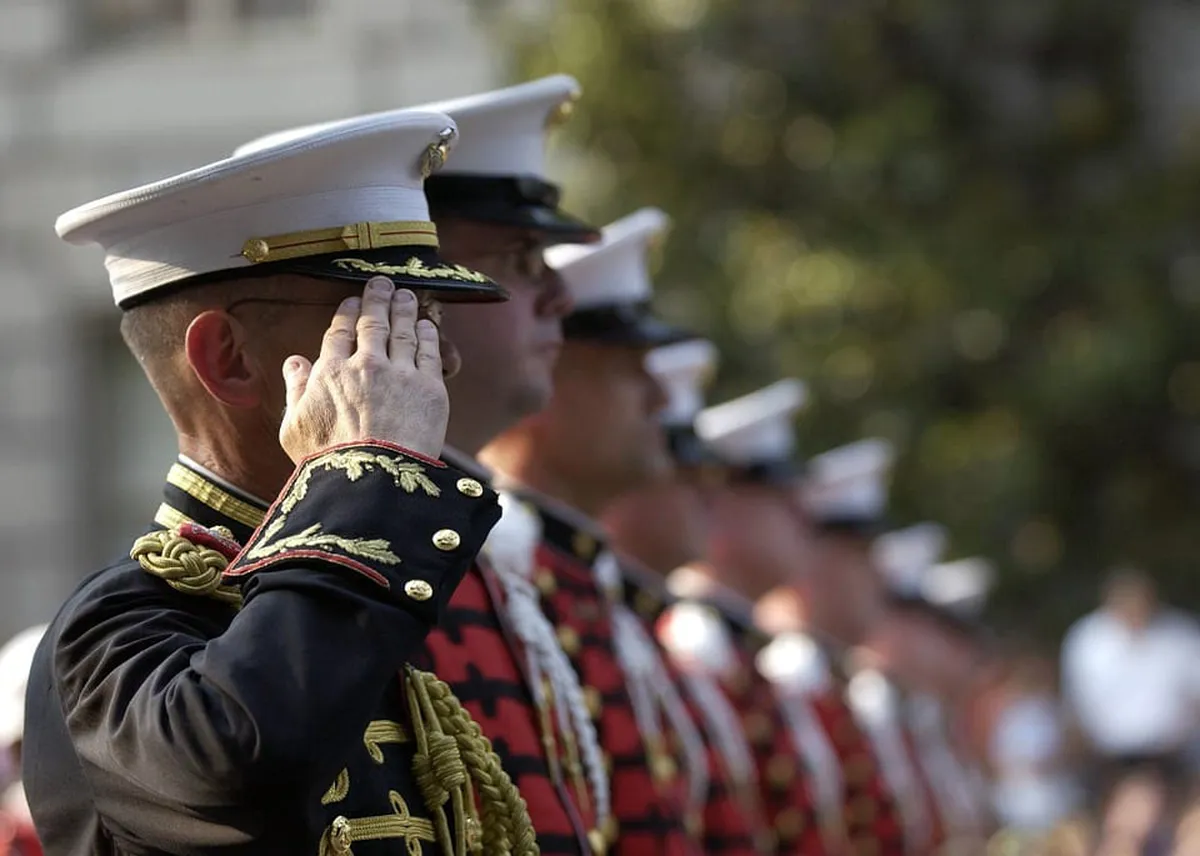
Military command responsibility is a doctrine that signifies a crucial principle in the realm of accountability within armed forces. This doctrine asserts that military leaders can be held liable for the unlawful actions of their subordinates, even if they did not directly participate in or order those actions. Understanding this principle is essential, especially in the context of international law, where it plays a pivotal role in prosecuting war crimes and crimes against humanity. This article will explore the historical background, key elements, and practical implications of military command responsibility, shedding light on why this doctrine is significant for legal practitioners and society at large.
The Historical Context of Command Responsibility
The modern doctrine of military command responsibility has its origins in the aftermath of World War II. One of the landmark cases that defined this principle involved Japanese General Tomoyuki Yamashita, who was prosecuted by a United States military tribunal for atrocities committed by his forces in the Philippines. Despite the lack of evidence showing that Yamashita personally ordered these violations, the tribunal established a crucial precedent: commanders have an affirmative obligation to maintain control over their forces and to respond to unlawful conduct. This case underscored the notion that with authority comes responsibility. The doctrine was subsequently incorporated into international humanitarian law, notably in Article 86 of the 1977 Additional Protocol I to the Geneva Conventions, cementing its importance in contemporary legal frameworks.

Key Elements of Military Command Responsibility
To establish military command responsibility in a legal context, prosecutors must typically demonstrate three critical elements:
- Relationship: There must be a clear relationship between the accused commander and the subordinate who committed the offense. The key question is not merely about rank but whether the commander had effective control over the subordinate, which refers to the actual ability to prevent or punish criminal conduct.
- Knowledge: Prosecutors must show what the commander knew, or should have known, about the unlawful conduct. This involves assessing whether there were warning signs that the commander failed to act upon. Different tribunals have applied varying standards to this element, but the focus remains on the existence of alerting information.
- Failure to Act: The commander must have failed to take reasonable action in response to the violations. This includes both preventing future misconduct and addressing past violations. Mere symbolic actions will not suffice; meaningful corrective measures are required to establish accountability.
The application of these elements can vary significantly depending on the circumstances, and the context in which the military operates plays a critical role in the analysis.
Differences in Civilian and Military Command Responsibility
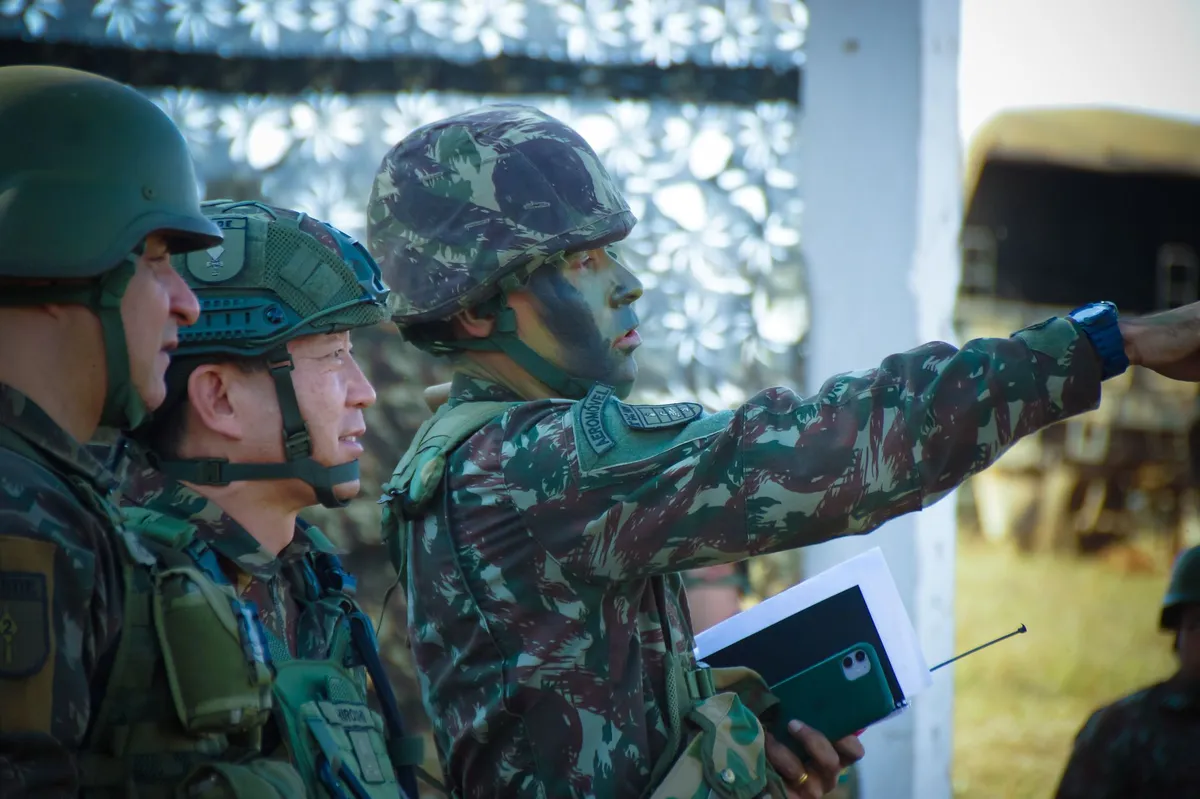
Under international law, specifically Article 28 of the Rome Statute, there exists a notable distinction between military and civilian command responsibility. For military commanders, liability can arise if they knew or should have known of the misconduct. In contrast, civilian superiors must demonstrate a higher evidentiary threshold, showing that they either knew of the conduct or consciously disregarded information indicating that violations were occurring. This difference is significant because it reflects the unique nature of military operations, where the chain of command and the immediacy of decision-making can impact the level of responsibility assigned to superiors.

Case Law and Legal Precedents
Several important cases have shaped the understanding and application of military command responsibility:
Prosecutor v. Delalic et al. (Celebici Case)
In this 1998 case, the Appeals Chamber clarified that the standard of "had reason to know" requires specific alerting information to have been available to the commander, rather than merely accessible through inquiry. This ruling emphasized the need for actual authority and effective control in assessing a commander's responsibility.
Prosecutor v. Blaskic
In a 2000 and 2004 case, the Appeals Chamber reduced Blaskic's conviction, underscoring that the knowledge element must be established through specific evidence and cannot be assumed. This case serves as a reminder of the rigorous standards required to prove command responsibility.
Prosecutor v. Bemba
The International Criminal Court (ICC) acquitted Bemba on appeal in 2018, finding that geographic distance and operational constraints were relevant factors in assessing a commander's duty. This case has had lasting implications for how command responsibility is argued in future cases.
Building and Defending Command Responsibility Cases
For legal professionals, building a strong evidentiary record is essential in command responsibility cases. This typically involves:
- Documentary Evidence: Prosecutors often rely on operational orders, intelligence reports, communications, disciplinary records, and witness testimony to establish effective control and knowledge.
- Defense Strategies: Defense attorneys may challenge the notion of effective control in irregular military structures, contest the knowledge element by demonstrating a lack of available alerting information, and argue that the commander took all reasonable measures given their authority.
- Expert Testimony: Given the complexities of military operations, expert testimony can be invaluable in explaining command relationships, operational authority, and decision-making processes.
Jurisdictional Challenges for Command Responsibility Claims
Command responsibility claims can arise in various legal forums, each with its own jurisdictional nuances. At the international level, prosecutions are often associated with the International Criminal Court (ICC) and ad hoc international tribunals. The ICC's complementarity framework necessitates that courts consider whether a state is conducting a genuine investigation before exercising jurisdiction.
In the United States, military misconduct is addressed through the Uniform Code of Military Justice (UCMJ), while certain allegations may implicate the War Crimes Act and related federal statutes. However, civil litigation presents additional challenges, particularly with the Alien Tort Statute, which has seen significant limitations following the Kiobel (2013) and Nestle (2021) decisions. Thus, early jurisdictional analysis is critical as it influences available causes of action and procedural pathways.

Key Takeaways
- Military command responsibility establishes that commanders can be held accountable for unlawful actions committed by their subordinates.
- The doctrine requires proof of a relationship, knowledge of misconduct, and a failure to take reasonable action.
- Differences exist between military and civilian command responsibility regarding the knowledge standard and evidentiary requirements.
- Significant case law has shaped the interpretation and application of command responsibility in legal contexts.
- Jurisdictional challenges are prevalent, with various legal forums and statutes governing command responsibility claims.
Frequently Asked Questions
What is the primary basis for holding military commanders accountable?
Military commanders can be held accountable based on the principle of command responsibility, which asserts that they are liable for unlawful actions committed by their subordinates if they knew, or should have known, about the violations and failed to take appropriate action to prevent or address them. This principle emphasizes the connection between authority and accountability.
How does military command responsibility differ from civilian command responsibility?
The key difference lies in the standards for establishing knowledge. Military commanders can be held liable if they knew or should have known about misconduct, while civilian superiors must demonstrate actual knowledge or willful blindness. This creates a higher evidentiary burden for civilian leaders compared to their military counterparts, reflecting the distinct nature of military operations.
Are there legal precedents that outline the standards for command responsibility?
Yes, several important cases, including Prosecutor v. Delalic and Prosecutor v. Blaskic, have established critical standards regarding knowledge and effective control. These cases highlight the necessity for specific evidence to prove command responsibility and clarify the expectations for both military and civilian leaders.
Is military command responsibility recognized in U.S. law?
Yes, military command responsibility is recognized in U.S. law through the Uniform Code of Military Justice and the War Crimes Act. Commanders can face court-martial for dereliction of duty, and violations of international humanitarian law may also lead to federal prosecution under the War Crimes Act. However, the scope for civil claims under the Alien Tort Statute has been significantly narrowed in recent years.
Comments
Navigating Gray-Area Risks: The New Frontier in Compliance and Risk Management
As regulatory landscapes shift rapidly, organizations face increasing pressure to adapt their compliance frameworks. This article explores the challenges of managing gray-area risks and the importance of a strong feedback loop in policy development.

Related articles






Popular in Business Law
- Supreme Court Justices' Financial Disclosures: A Closer Look
- Vishal Garg's Leadership Fallout: The Rise and Fall of Better.com
- Former Intelligence Official Faces Penalty for Post-Government Misconduct
- Blank Rome Faces Lawsuit After Major Data Breach Exposes Personal Information
- Congress Faces Reckoning Over Member-Staff Relationships