Judge Denies Bail for Fraudster Luke Brugnara Amid Courtroom Outbursts
A federal judge has denied Luke Brugnara's third bail request, citing concerns over his history of evading court appearances and the source of his bond funds. The ruling underscores ongoing legal complexities surrounding pretrial detentions in fraud cases.

In a striking courtroom drama, former San Francisco real estate investor Luke Brugnara faced his third denial for bail as a federal judge ruled that a proposed secured bond of $350,000 was insufficient to ensure his appearance at upcoming court hearings. The case not only highlights Brugnara's troubled legal history but also raises broader questions about the bail system, the challenges of pretrial detentions, and the rights of defendants in the American judicial system.
Senior U.S. District Judge Maxine M. Chesney, who presided over the hearing, expressed deep concerns regarding the origins of the bond funds and Brugnara’s extensive history of evading court appearances. Her ruling serves as a reminder of the complexities and potential pitfalls within the bail process, particularly in cases involving financial crimes.
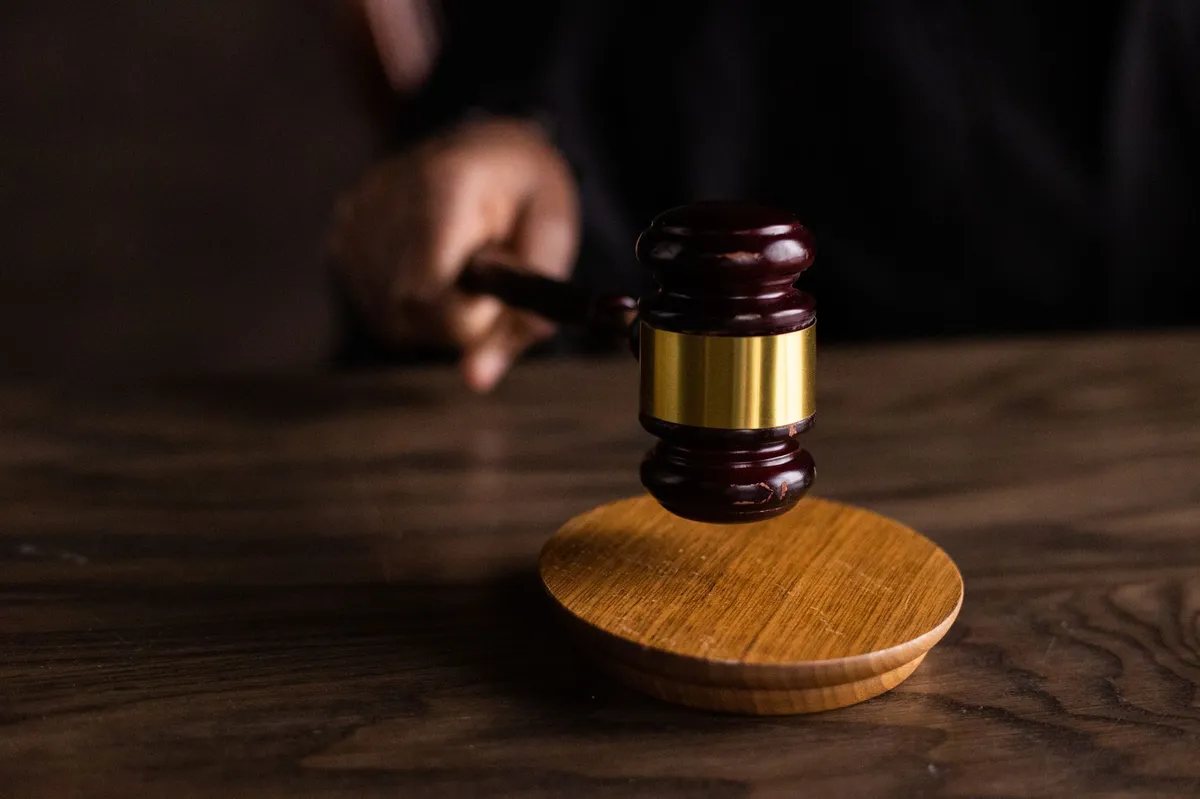
The Legal Landscape of Bail and Pretrial Detention
The federal bail system is designed to ensure that defendants appear in court while balancing their rights and public safety. The Eighth Amendment protects against excessive bail; however, judges often have discretion to deny bail based on a defendant's criminal history, the nature of the charges, and the likelihood of flight. In Brugnara's case, Judge Chesney reiterated that a third party providing bail funds diminishes the assurance of his appearance at trial, reflecting a common concern among judges.
Brugnara's situation exemplifies the challenges faced by defendants with a history of noncompliance. His lawyer, Matthew Dirkes, argued that Brugnara should be granted bail, emphasizing that the defendant had not yet been convicted of the current charges. However, the judge's ruling underscores the legal principle that past behavior can significantly influence decisions about pretrial release.

Brugnara's History of Legal Troubles
Luke Brugnara, 62, has a long and troubled history with the law, including multiple convictions for fraud-related offenses. In 2010, he pleaded guilty to filing false tax returns, resulting in a 30-month prison sentence and nearly $1.9 million in restitution. His more recent legal troubles stem from allegations related to a pandemic-era fraud scheme, where he allegedly submitted fraudulent loan applications for federal relief programs, netting over $400,000.
A federal grand jury indicted Brugnara in May 2024 on nine counts of wire fraud and three counts of money laundering. This indictment led to pretrial detention, which has now become a contentious issue in court proceedings. Judge Chesney's refusal to set bail reflects both Brugnara's past conduct and the serious nature of the current charges.

Courtroom Conduct and Due Process Concerns
During the recent hearing, Brugnara's courtroom behavior raised eyebrows, as he frequently interrupted the proceedings and expressed his frustration with the legal process. His outbursts included dramatic statements about his presumed innocence and allegations of mistreatment while in custody. Judge Chesney, while acknowledging his concerns, reiterated the importance of maintaining decorum in the courtroom.
Dirkes, Brugnara's attorney, raised valid concerns about his client's due process rights, particularly regarding the difficulty of preparing for trial while Brugnara is incarcerated in San Francisco County Jail. The judge expressed some understanding of this predicament, noting her efforts to facilitate Brugnara's transfer to a facility that would allow better access to legal counsel. This highlights a critical issue in the criminal justice system: the balance between ensuring public safety and preserving a defendant's right to a fair trial.
Implications of the Ruling
The judge's decision to deny bail has broader implications for the legal community and for defendants facing similar circumstances. It emphasizes the judiciary's cautious approach in cases involving defendants with a history of evading court obligations. The ruling also raises questions about the efficacy of the bail system and whether it adequately protects the rights of individuals presumed innocent until proven guilty.
Moreover, this case serves as a cautionary tale for other defendants who may believe that increased financial backing will guarantee their release. The inherent risks associated with relying on third-party funding for bail can lead to unexpected legal repercussions, as demonstrated by Brugnara's situation. This could discourage some defendants from seeking bail, fearing that their financial arrangements might be scrutinized or deemed inadequate by the court.

Key Takeaways
- Brugnara's Bail Denied: A federal judge denied his third attempt for bail, citing concerns over his history of evasion.
- Impact of Past Convictions: A history of legal troubles can significantly affect bail decisions.
- Due Process Rights: The complexities of pretrial detention can impact a defendant's ability to prepare for trial.
- Public Safety vs. Defendant Rights: The ruling reflects the ongoing tension between ensuring public safety and preserving the rights of the accused.
Frequently Asked Questions
What led to Luke Brugnara's pretrial detention?
Luke Brugnara's pretrial detention stems from a federal indictment for wire fraud and money laundering related to a pandemic-era fraud scheme. His history of evading court appearances in prior cases further complicated his bail situation, leading to the judge's decision to keep him in custody.
Can a defendant be denied bail based on their past behavior?
Yes, a defendant can be denied bail if a judge believes their past behavior indicates a likelihood of flight or noncompliance with court orders. Judges consider various factors, including the nature of current charges and any previous convictions, when making bail decisions.
What are the implications of Brugnara's courtroom conduct?
Brugnara's disruptive behavior in court may not only affect his immediate situation but could also influence the judge's perceptions of his credibility and reliability. Continued outbursts could lead to restrictions on his ability to represent himself, as the judge indicated that self-representation could be revoked if he does not comport himself properly.
How does the bail system work in the U.S.?
The U.S. bail system allows for defendants to be released from custody while awaiting trial, typically under the condition that they will appear in court for future hearings. Judges have discretion to set bail amounts based on various factors, including the severity of the charges, the defendant's criminal history, and the potential risk to public safety.
Disclaimer: The content is general information, not legal advice.
Comments
Understanding Military Command Responsibility: Accountability Beyond the Battlefield
Military command responsibility holds leaders accountable for the actions of their subordinates. This article delves into the doctrine's historical roots, key elements, and its implications in both military and civilian contexts, providing a comprehensive overview for legal professionals and the public alike.

Related articles





Popular in Business Law
- Supreme Court Justices' Financial Disclosures: A Closer Look
- Vishal Garg's Leadership Fallout: The Rise and Fall of Better.com
- Former Intelligence Official Faces Penalty for Post-Government Misconduct
- Blank Rome Faces Lawsuit After Major Data Breach Exposes Personal Information
- Congress Faces Reckoning Over Member-Staff Relationships