Revolutionizing Legal Workflows: Casepoint's MCP Server Unleashed
Casepoint’s new Model Context Protocol Server transforms how legal and governmental agencies leverage AI, ensuring security and flexibility in compliance workflows.

The legal and compliance landscapes are rapidly evolving, driven by advancements in artificial intelligence (AI) technology. As organizations strive to enhance their operational efficiency and responsiveness, integrating AI into their workflows has become essential. Casepoint, a leader in AI-powered solutions for legal, investigative, and regulatory processes, has taken a significant step forward by launching its Model Context Protocol (MCP) Server. This innovative platform empowers agencies and enterprises to connect their preferred AI models and agents to Casepoint’s unified system while maintaining stringent security protocols.
The Casepoint MCP Server represents a critical development, as it allows organizations to leverage existing AI tools without the restrictions commonly associated with proprietary systems. By creating a secure, standardized integration layer, Casepoint enables users to customize their AI interactions with the platform, enhancing both flexibility and governance. This advancement is particularly vital for sectors such as government and highly regulated industries, where compliance and security are paramount.

Understanding the Casepoint MCP Server
The Casepoint MCP Server is built on the open Model Context Protocol standard, which facilitates interoperability among various AI ecosystems. This approach is a departure from traditional models that often lock customers into single-vendor solutions. By offering a standardized means for external AI agents to connect with its platform, Casepoint provides organizations with the freedom to utilize the AI tools they trust while ensuring compliance with enterprise governance and security protocols.
Key Features of the MCP Server
Casepoint has designed the MCP Server to meet the complex needs of legal and regulatory environments. Here are some of its key features:
- Secure Integration: The MCP Server acts as a secure gateway, enabling organizations to integrate their preferred AI agents while maintaining control over data access.
- Permission-Based Access: Every interaction with the MCP Server is governed by user permissions, ensuring that AI agents only access information that users are authorized to view.
- Real-Time Insights: Users can retrieve operational insights such as reviewer productivity metrics, custodian reports, and FOIA request statuses seamlessly.
- Scalable Architecture: The server is designed to accommodate growth, allowing organizations to expand their AI capabilities as needed.
These features are not merely technical enhancements; they reflect a broader shift towards democratizing AI within critical compliance workflows.

The Importance of Security in AI Adoption
As organizations increasingly integrate AI into their operations, the need for robust security frameworks becomes even more pressing. Sundhar Rajan, Chief Information Security Officer at Casepoint, emphasizes that “AI innovation must be built on a foundation of security, governance, and trust.” The MCP Server is aligned with this philosophy, extending Casepoint’s Zero Trust security model to ensure that every AI interaction is authenticated and auditable.
Why Zero Trust Matters
The Zero Trust security model operates on the principle that organizations should not automatically trust any entity, whether inside or outside their network. This approach is especially crucial in the legal sector, where sensitive information is frequently handled. By requiring authentication and authorization for every interaction, the MCP Server protects against potential breaches and unauthorized access, bolstering confidence in AI applications.
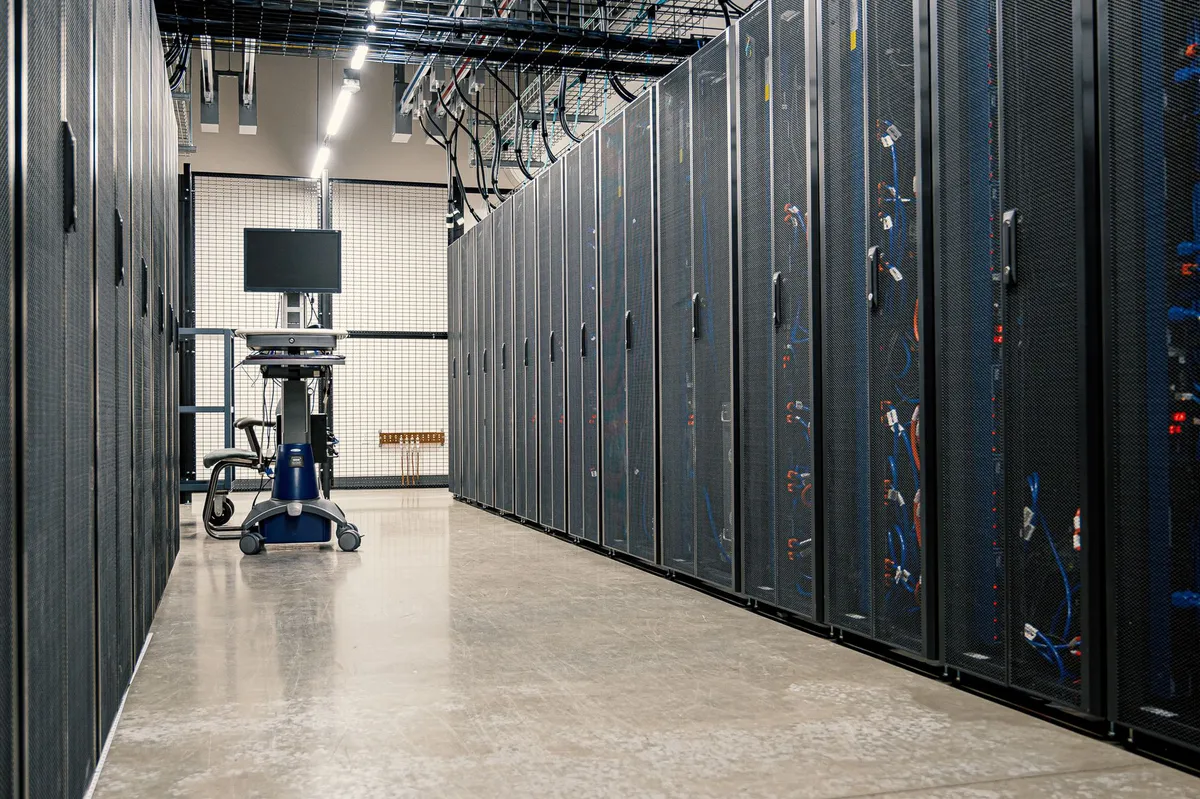
Future-Proofing Legal Workflows with AI
The launch of the Casepoint MCP Server marks just the beginning of a new era in legal and compliance workflows. As organizations continue to explore AI, the MCP Server’s capabilities will evolve to meet emerging demands. Pete Feinberg, Chief Product Officer at Casepoint, notes that as legal and government teams adopt AI, they require flexibility to align with their approved tools and workflows.
Anticipated Developments
Future iterations of the MCP Server are expected to introduce additional functionalities that will enhance AI integration across various legal, regulatory, and compliance processes. This evolution will not only enable organizations to adopt cutting-edge AI technologies but also ensure that their operations remain compliant with regulatory standards.

Real-World Applications and Impact
The implications of the Casepoint MCP Server extend beyond mere technology; they resonate across entire organizations. From global enterprises to federal agencies, including the Department of War, Casepoint’s platform unifies legal hold, eDiscovery, investigations, and compliance responses in a secure environment. This unification is critical as organizations face increasing scrutiny regarding data management and compliance practices.
How Organizations Benefit
By adopting the MCP Server, organizations can:
- Enhance Efficiency: Streamlining workflows with AI can significantly reduce the time spent on manual tasks.
- Improve Compliance: With robust security measures in place, organizations can operate with greater confidence in their compliance efforts.
- Foster Innovation: The flexible architecture encourages the exploration of new AI tools and models, driving innovation in legal processes.
In an environment where regulatory demands are constantly increasing, the ability to adapt and innovate is essential for success.
Key Takeaways
- The Casepoint MCP Server enables organizations to connect their preferred AI tools securely.
- Zero Trust security principles ensure that all AI interactions are authenticated and governed.
- Future developments will enhance AI integration across legal and compliance workflows.
- Organizations stand to gain efficiency, compliance, and innovative capabilities through the MCP Server.
Frequently Asked Questions
What is the Casepoint MCP Server?
The Casepoint MCP Server is a new platform that allows organizations to integrate their preferred AI models and agents into Casepoint’s unified system. It is designed to enhance flexibility, security, and governance in legal and compliance workflows.
How does the MCP Server enhance security in AI applications?
The MCP Server employs a Zero Trust security model, ensuring that every AI interaction is authenticated and authorized based on user permissions. This approach minimizes risk and protects sensitive information from unauthorized access.
What are the benefits of using the MCP Server for organizations?
Organizations that adopt the MCP Server can benefit from improved operational efficiency, enhanced compliance with regulatory standards, and the ability to innovate with AI tools. The platform's flexibility allows organizations to tailor their AI interactions to meet specific needs.
How does Casepoint plan to evolve the MCP Server?
Casepoint intends to expand the MCP Server's capabilities in future releases, allowing for deeper integration of AI into legal, regulatory, and compliance workflows. The company is committed to responding to customer feedback to ensure the platform meets evolving organizational needs.
This article is for informational purposes only and does not constitute legal advice.
Comments
Understanding Military Command Responsibility: Accountability Beyond the Battlefield
Military command responsibility holds leaders accountable for the actions of their subordinates. This article delves into the doctrine's historical roots, key elements, and its implications in both military and civilian contexts, providing a comprehensive overview for legal professionals and the public alike.

Related articles





Popular in Business Law
- Supreme Court Justices' Financial Disclosures: A Closer Look
- Vishal Garg's Leadership Fallout: The Rise and Fall of Better.com
- Former Intelligence Official Faces Penalty for Post-Government Misconduct
- Blank Rome Faces Lawsuit After Major Data Breach Exposes Personal Information
- Congress Faces Reckoning Over Member-Staff Relationships