Conservationists Challenge Trump's Expanded Grazing Plan in the West
A conservation group is suing the Trump administration over a new grazing plan that threatens endangered species and critical habitats across 25 million acres of federal land. The lawsuit raises important questions about wildlife protection and federal land management.
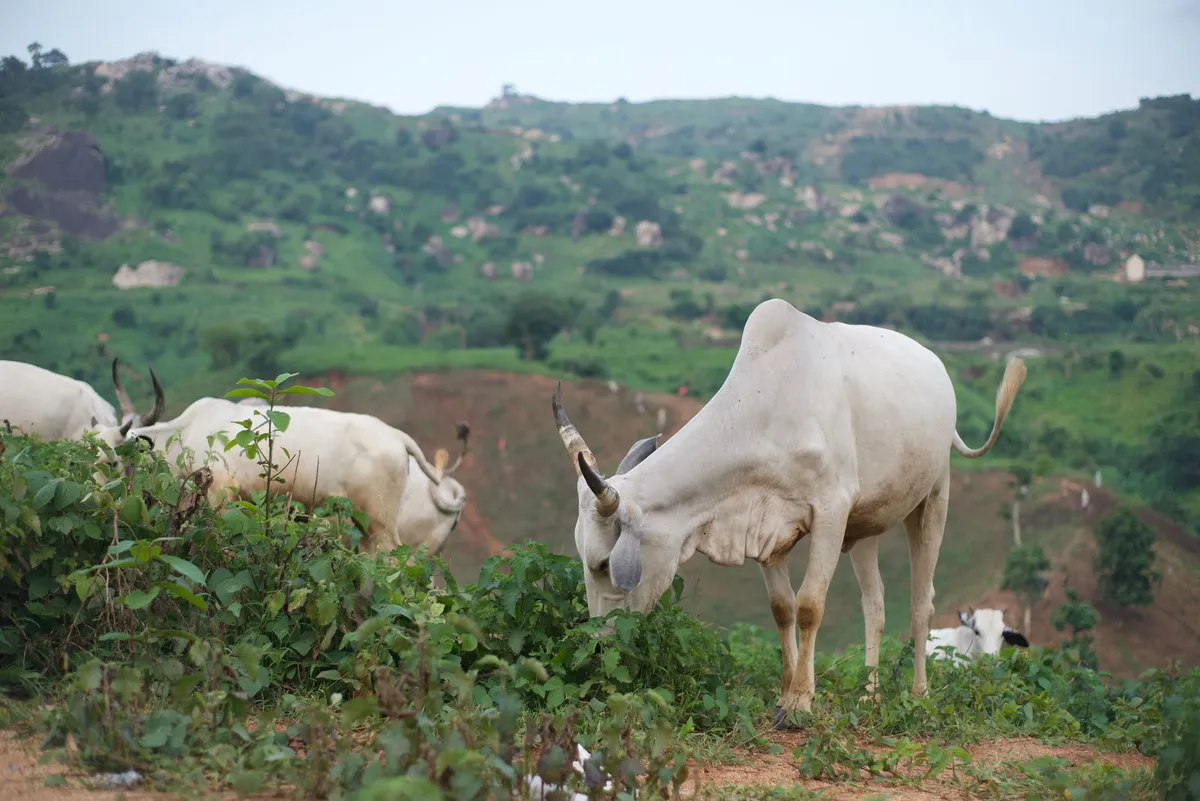
In a significant legal challenge, the Center for Biological Diversity has filed a lawsuit against the Trump administration, contesting a newly approved grazing plan that could open up an astounding 25 million acres of federal land to cattle grazing. This controversial plan not only raises serious environmental concerns but also poses a direct threat to endangered species and their critical habitats throughout the Western United States. The lawsuit underscores the ongoing tensions between conservation efforts and agricultural interests, and it highlights the broader implications of land management practices on wildlife.
The conservation group asserts that the new grazing plan violates the Endangered Species Act (ESA) by failing to adequately assess the environmental impact of expanding grazing activities. According to Andrea Zaccardi, the legal director for carnivore conservation at the Center, the administration’s actions cater to the livestock industry at the expense of America’s vulnerable wildlife. “The Trump administration is again putting America’s wildlife and public lands at risk by catering to the livestock industry,” Zaccardi stated. “We’re suing to make sure our nation’s most vulnerable wildlife don’t pay the price.”
Understanding the Grazing Plan and Its Implications
The grazing plan, which has been implemented by several federal agencies, including the Bureau of Land Management (BLM) and the U.S. Forest Service, aims to prioritize grazing on federal lands. A memorandum of understanding, signed by these agencies, outlines the plan’s intention to address the needs of grazing permit holders. However, environmental advocates argue that such a plan neglects the ecological integrity of these lands and the species that inhabit them.
The conservationists claim that the expansion of grazing will have detrimental effects on several federally protected species, including grizzly bears, wolves, sage grouse, and spotted owls. These species already face myriad threats, and increasing grazing activities could exacerbate their struggles for survival. The Center for Biological Diversity warns that the plan will create further conflicts between livestock and wildlife, particularly as predators like grizzlies and wolves are often targeted when they come into contact with cattle.
Environmental and Ecological Concerns
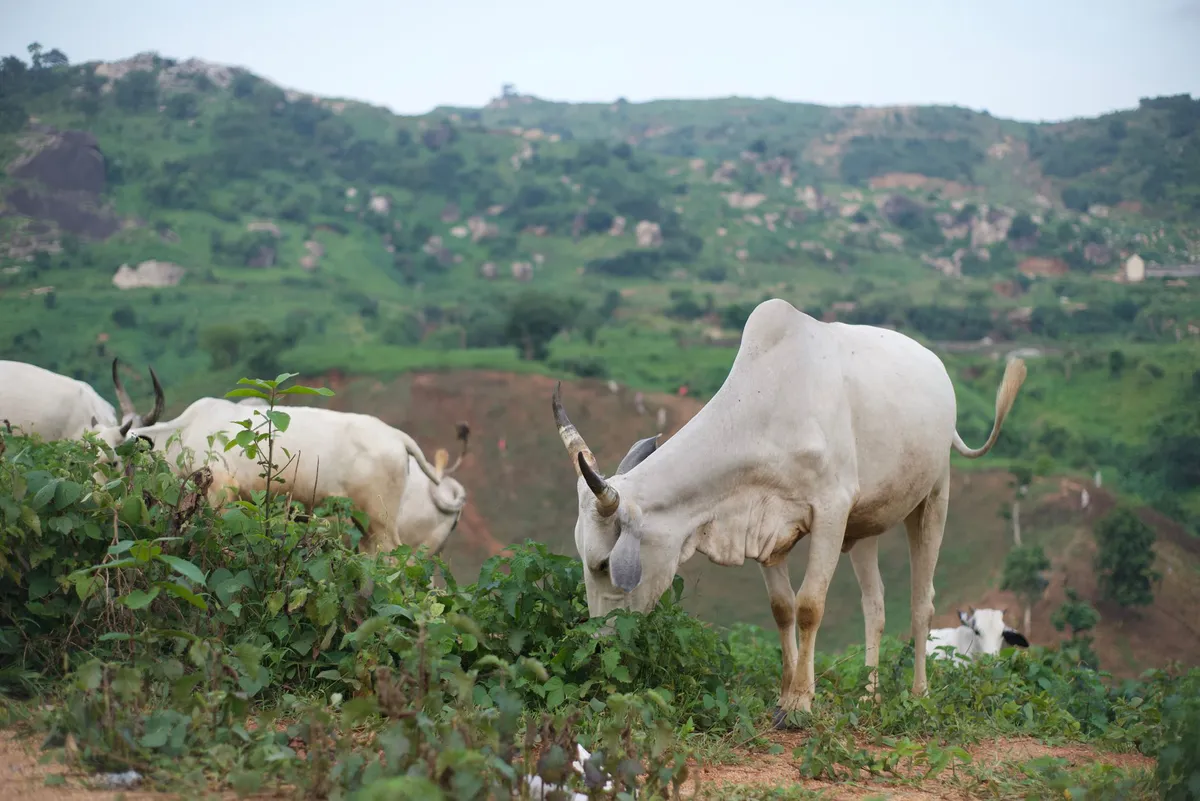
The lawsuit highlights a range of environmental concerns associated with expanded grazing. Cattle grazing can lead to significant degradation of public lands and waterways. The Center for Biological Diversity has noted that cattle trample streambanks and streambeds, leading to erosion and destruction of habitats that are crucial for birds, fish, and other wildlife. The degradation of riparian zones—areas where land meets water—affects numerous listed species that rely on these habitats for their survival.
- Endangered Species Threatened: Species such as the western yellow-billed cuckoo are already suffering from habitat degradation due to grazing.
- Water Quality Deterioration: Livestock grazing can harm water quality through increased sedimentation and nutrient runoff.
- Air Quality Impact: The methane and ammonia released by cattle contribute to air pollution and climate change.
Moreover, the conservation group argues that the BLM and other agencies failed to conduct required consultations with the U.S. Fish and Wildlife Service (USFWS) and the National Marine Fisheries Service (NMFS) before implementing the plan. Such consultations are mandated by the ESA to ensure that federal actions do not jeopardize the existence of endangered species or destroy their habitat. By neglecting this critical step, the agencies may have violated the law and limited the possibility of exploring alternative management strategies that would be less harmful to wildlife.
Legal Context and Implications of the Lawsuit
This lawsuit is significant not only for the immediate fate of the grazing plan but also for its broader implications for conservation law in the United States. The ESA serves as a critical legal framework for protecting endangered species, and any perceived failure to uphold its provisions can set dangerous precedents for future federal land management practices. The outcome of this case could influence similar disputes across the country, especially as the balance between agricultural interests and environmental conservation continues to be a contentious issue.
In addition to seeking to vacate the grazing action plan, the Center for Biological Diversity is demanding that the federal agencies consult with the USFWS and NMFS to develop a plan that adequately protects endangered species and their habitats. If the court rules in favor of the conservationists, it could require a reevaluation of the grazing plan and lead to more stringent protections for wildlife on public lands.
Potential Consequences of Expanded Grazing
The repercussions of expanding grazing into critical habitats extend beyond just the immediate threats to endangered species. The presence of livestock can alter the dynamics of local ecosystems, leading to increased competition for resources among wildlife. For instance, as grazing displaces natural prey species like elk and deer, it may lead to a rise in predation on livestock by grizzly bears and wolves, creating a cycle of conflict that further endangers both wildlife and agricultural interests.
The term “shoot, shovel, and shut up” has been used by conservationists to describe the illegal killings of predators that result from conflicts with livestock. This practice poses an ethical dilemma, as it highlights the challenges of coexistence between wildlife and agricultural practices. Alarmingly, the Center for Biological Diversity asserts that the Department of Justice often declines to prosecute individuals who illegally kill grizzlies and wolves, perpetuating a culture of impunity for those who harm protected species.
The Broader Context of Land Management
This legal battle is part of a larger narrative surrounding land management in the United States, where competing interests often clash. On one hand, there is a push for agricultural development and economic growth, while on the other, there is a growing movement advocating for environmental protection and sustainable practices. As the population continues to grow and climate change poses new challenges, the need for a balanced approach to land use becomes more critical than ever.
Conservationists argue that public lands should prioritize ecological health and biodiversity, while agricultural interests often emphasize economic viability and food production. The challenge lies in finding a solution that meets the needs of both communities without sacrificing the integrity of ecosystems. The outcome of this lawsuit could serve as a pivotal moment in shaping future land management policies across the nation, potentially leading to more collaborative approaches that consider both conservation and agricultural needs.

Key Takeaways
- Legal Challenge: The Center for Biological Diversity has filed a lawsuit against the Trump administration's grazing plan.
- Endangered Species Impact: The expanded grazing threatens critical habitat for several endangered species.
- Environmental Concerns: The plan could lead to habitat degradation and increased conflicts between livestock and wildlife.
- Consultation Requirements: The lawsuit claims that federal agencies failed to consult with required wildlife services before implementing the plan.
- Broader Implications: The outcome may influence future land management policies and the balance between agriculture and conservation.
Frequently Asked Questions
What is the Endangered Species Act and why is it important?
The Endangered Species Act (ESA) is a key piece of legislation in the United States aimed at protecting species that are at risk of extinction. It provides a framework for the conservation of threatened and endangered plants and animals, along with their habitats. The ESA is important because it helps preserve biodiversity, maintains ecological balance, and ensures that future generations can enjoy a rich variety of wildlife.
How can grazing impact wildlife habitats?
Grazing can significantly impact wildlife habitats by causing soil erosion, trampling vegetation, and degrading water quality. When cattle graze on public lands, they can disrupt the natural ecosystem, leading to the loss of habitat for many species. This degradation can result in reduced food sources, increased competition for resources, and heightened conflict between livestock and wildlife.
What are the consequences of illegal killings of endangered species?
Illegal killings of endangered species can have severe consequences for both the species and the ecosystem. These actions can lead to population declines, disrupt breeding patterns, and ultimately contribute to the extinction of vulnerable species. Furthermore, illegal killings undermine conservation efforts and create a culture of disregard for wildlife protection laws, making it more challenging to achieve long-term conservation goals.
What can individuals do to support wildlife conservation?
Individuals can support wildlife conservation by advocating for policies that protect endangered species and their habitats, participating in local conservation efforts, and supporting organizations that work to preserve biodiversity. Additionally, being mindful of consumer choices—such as supporting sustainable agriculture and reducing meat consumption—can also contribute to conservation efforts and help mitigate the impacts of grazing on wildlife.
This content is for informational purposes only and does not constitute legal advice.
Comments
Ninth Circuit Overturns Block on DOJ's Subpoena for Gender-Affirming Care Records
The Ninth Circuit Court of Appeals has reversed a lower court's decision that blocked a DOJ subpoena for records from QueerDoc, a telehealth clinic providing gender-affirming care. The ruling highlights broader issues surrounding healthcare law and patient privacy.

Related articles







Popular in Business Law
- Supreme Court Justices' Financial Disclosures: A Closer Look
- Vishal Garg's Leadership Fallout: The Rise and Fall of Better.com
- Former Intelligence Official Faces Penalty for Post-Government Misconduct
- Blank Rome Faces Lawsuit After Major Data Breach Exposes Personal Information
- Congress Faces Reckoning Over Member-Staff Relationships