Virginia Hemp Industry Faces Legal Setback Over New THC Regulations
Virginia's hemp industry suffers a major blow as a federal judge upholds new regulations limiting THC levels in products. This decision impacts many local businesses and raises questions about due process and the future of hemp regulation.

The hemp industry in Virginia has hit a roadblock that could spell disaster for many local producers and retailers. A recent ruling by U.S. District Judge Robert Ballou upheld new state regulations that drastically limit the amount of tetrahydrocannabinol (THC) allowed in hemp products. This decision, effective immediately, has sent waves of concern rippling through the industry, which has been grappling with rapid changes and legal uncertainties since the 2014 Farm Bill allowed for the cultivation and processing of hemp.
For many of Virginia's hemp businesses, which have become accustomed to a relatively open market, the ruling feels like a sudden and harsh restriction. The new regulations eliminate a controversial loophole that previously allowed retail hemp products to contain more than 2 milligrams of THC per package, provided they also contained at least 25 times as much of cannabidiol (CBD), the non-psychoactive counterpart to THC. The plaintiffs in the case, a coalition of hemp manufacturers, sellers, and processors, argued that these restrictions would effectively outlaw as much as 85% of their products, leading to devastating financial consequences.

The Legal Battle: Plaintiffs vs. State Regulations
The plaintiffs sought injunctive relief against the new regulations, contending that the changes amounted to a 'taking' under the Fifth Amendment, which protects private property from being taken for public use without just compensation. They claimed that the regulations would force the disposal of their legal inventory, amounting to significant losses. For example, one plaintiff, NOVA Hemp, estimated losses exceeding $300,000 due to the restrictions.
Key Arguments and Judicial Response
Judge Ballou, however, dismissed the plaintiffs' claims, asserting that the new regulations merely impose restrictions on the sale of certain products rather than a physical taking of property. His ruling pointed out that the plaintiffs were not required to destroy their existing inventory and would still be able to sell compliant products. Additionally, he noted that the plaintiffs had a reasonable timeframe—approximately 40 days—to adjust their inventory following notice of the regulatory changes.
“Plaintiffs entered and invested in a heavily regulated and rapidly evolving industry,” Ballou stated, underscoring that the expectation for products to remain legal indefinitely was not reasonable given the legislative environment surrounding hemp-derived THC products. This perspective raises critical questions about the stability of the hemp market and the expectations of businesses operating within it.
Concerns Over Due Process
The plaintiffs also raised concerns regarding the Due Process Clause of the 14th Amendment, arguing that the manner in which the new regulations were passed circumvented standard legislative procedures. The General Assembly integrated the hemp regulations into the state budget, bypassing typical committee discussions and stakeholder input, which the plaintiffs argued was essential for fair governance.
Legislative Process and Its Implications
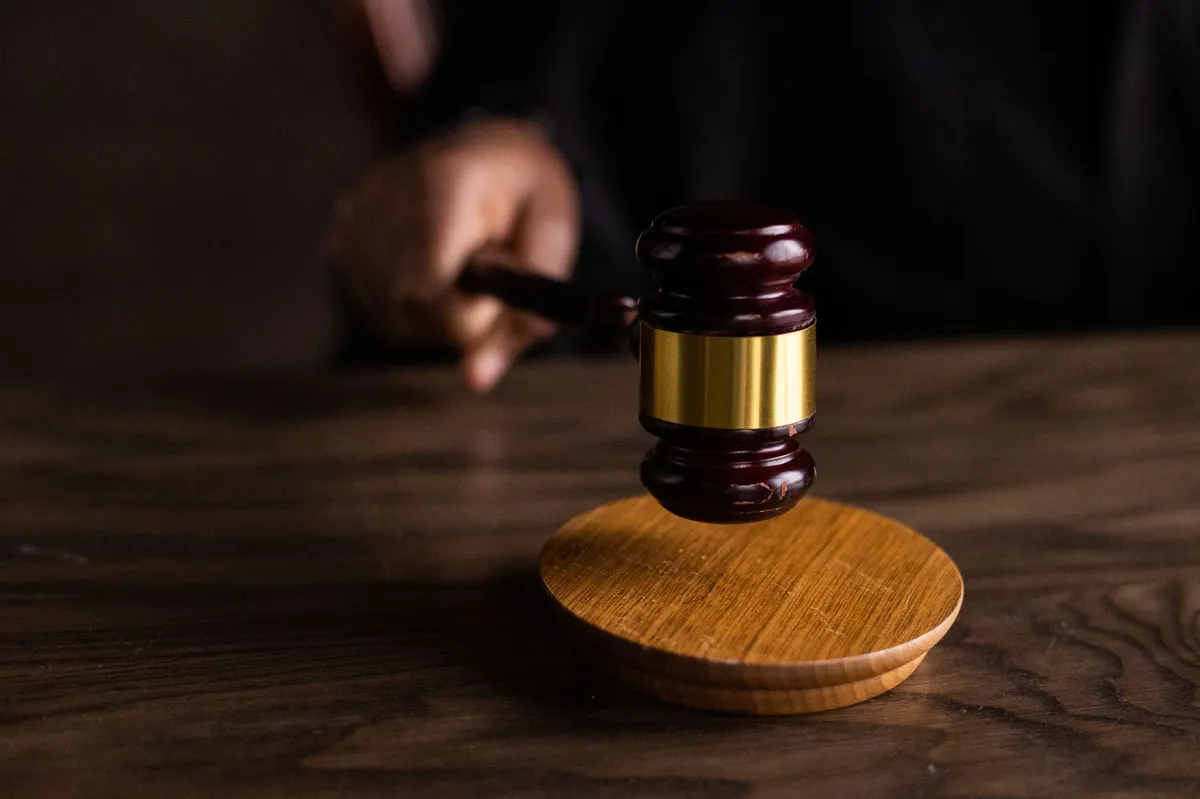
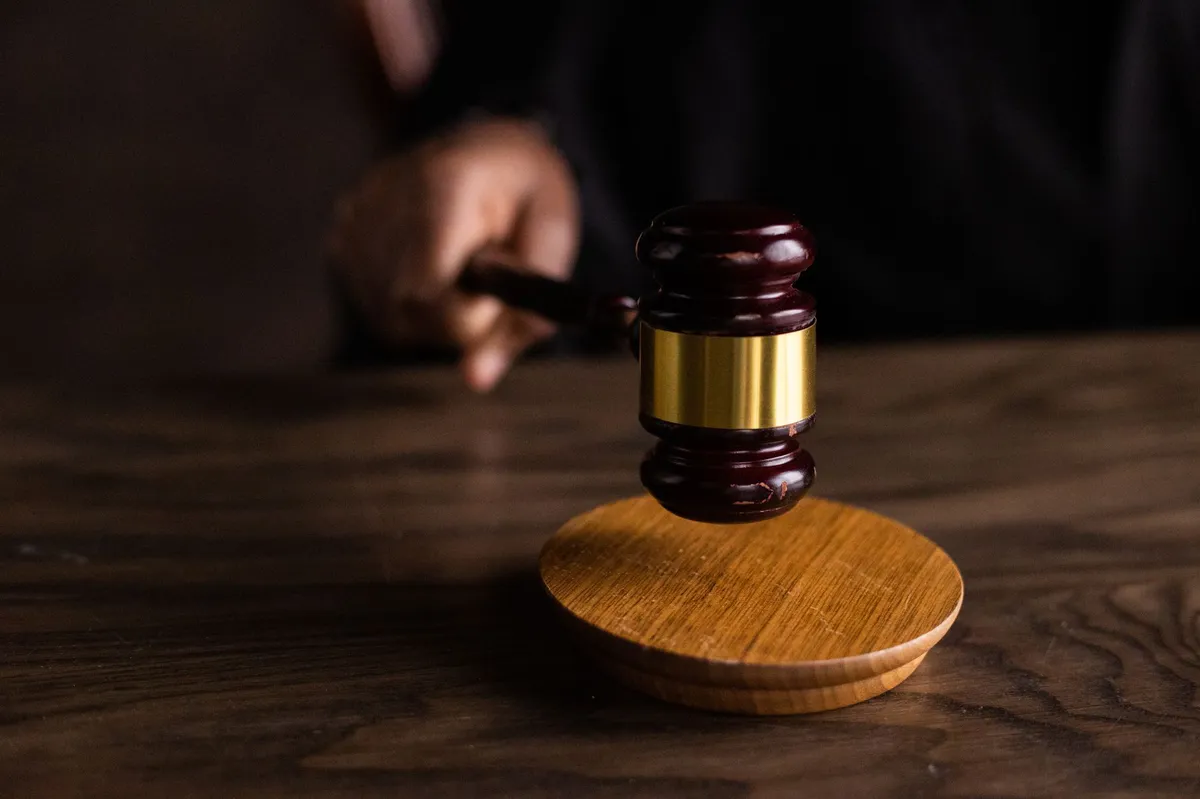
Judge Ballou acknowledged the potential complications arising from rushed legislation but still sided with the government, affirming that the Constitution does not require states to allow businesses to contest regulations before they are enacted. This ruling highlights a significant tension in the legislative process: while it is crucial to expedite regulations in rapidly evolving industries like hemp, the need for transparency and public input cannot be overlooked. The plaintiffs contended that the rushed legislative process not only undermined their business interests but also excluded valuable public insight.

The Impact on Small Businesses in Virginia
The new regulations are particularly troubling for small hemp businesses, which argue that they are being unfairly disadvantaged compared to larger cannabis companies that can still sell products with higher THC levels. The plaintiffs pointed out the inconsistency in regulations, questioning how a small hemp business could be deemed a public health threat for selling a beverage containing 2.1 milligrams of THC while larger dispensaries are allowed to sell much more potent products.
A Disproportionate Impact
This situation underlines a prevailing issue in regulatory frameworks: the balance between ensuring public safety and allowing fair competition among businesses of all sizes. With the new rules potentially wiping out a significant portion of the hemp product market, many small businesses fear they will be unable to compete, leading to market consolidation favoring larger entities. This could further stifle innovation and local economic growth within Virginia's burgeoning hemp industry.
Looking Ahead: Next Steps for the Plaintiffs
In the wake of the court's decision, attorney Chap Petersen, representing the plaintiffs, expressed disappointment but also pride in his clients who rallied to voice their concerns in court. He remarked on the need for the legislative process to be more inclusive, stating, “That testimony should have happened months ago in a committee hearing, before the assembly voted to shut down these businesses.” The plaintiffs are now faced with the decision of how to proceed, considering options that may include appealing the ruling or seeking further dialogue with state lawmakers.
Potential for Future Legislative Changes
As the hemp industry continues to evolve, the outcome of this case could have significant ramifications for future legislation. The legal challenges faced by the plaintiffs may prompt a closer examination of the regulatory process and its impact on small businesses. Advocates for the hemp industry are likely to push for more transparent processes that allow for stakeholder input, ensuring that the voices of those most affected by regulations are heard in future legislative discussions.

Key Takeaways
- Virginia's new hemp regulations limit THC levels, severely impacting local businesses.
- The federal court ruling emphasizes the delicate balance between regulation and business rights.
- Due process concerns were raised but ultimately did not sway the court's decision.
- The ruling may disproportionately favor larger cannabis companies over smaller hemp businesses.
- The outcome could influence future legislative processes and industry regulations.
Frequently Asked Questions
What are the new regulations regarding THC in Virginia hemp products?
The new regulations limit the amount of THC allowed in retail hemp products to 2 milligrams per package, provided there is a sufficient amount of CBD. This change effectively outlawed a significant percentage of current hemp products, impacting many local businesses that relied on this loophole for their operations.
How did the court rule on the hemp industry's lawsuit?
The court ruled against the hemp industry, stating that the regulations do not constitute a taking of property and that the businesses still have the right to sell compliant products. The judge emphasized that the plaintiffs' expectation for their products to remain legal indefinitely was not reasonable given the rapidly changing regulatory landscape.
What are the implications of this ruling for small businesses?
This ruling raises significant concerns for small hemp businesses in Virginia, which may struggle to compete with larger cannabis companies that can sell higher THC products. Many small producers fear that the regulations will lead to market consolidation, reducing competition and innovation within the industry.
What steps can affected businesses take moving forward?
Affected businesses may consider appealing the court's decision or engaging with state lawmakers to advocate for more favorable regulatory conditions. Additionally, they could collaborate with industry groups to push for legislative reforms that ensure transparency and stakeholder participation in future regulatory processes.
This content is general information and not legal advice.
Comments
Ninth Circuit Overturns Block on DOJ's Subpoena for Gender-Affirming Care Records
The Ninth Circuit Court of Appeals has reversed a lower court's decision that blocked a DOJ subpoena for records from QueerDoc, a telehealth clinic providing gender-affirming care. The ruling highlights broader issues surrounding healthcare law and patient privacy.

Related articles






Popular in Business Law
- Supreme Court Justices' Financial Disclosures: A Closer Look
- Vishal Garg's Leadership Fallout: The Rise and Fall of Better.com
- Former Intelligence Official Faces Penalty for Post-Government Misconduct
- Blank Rome Faces Lawsuit After Major Data Breach Exposes Personal Information
- Congress Faces Reckoning Over Member-Staff Relationships