Unpacking the Multimillion-Dollar Marriage Fraud Scheme Indictment
Eleven individuals have been indicted in a complex marriage fraud scheme that exploited immigration laws. This article explores the implications of such schemes, the legal framework surrounding marriage fraud, and what it means for law enforcement and communities.
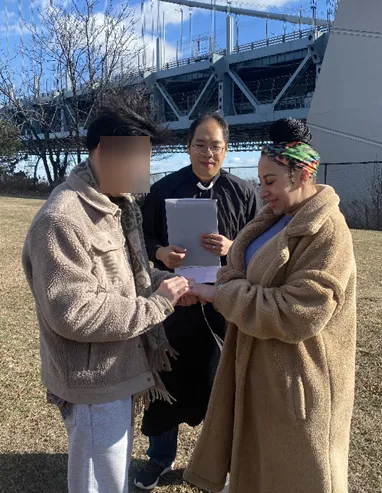
In a significant legal crackdown, eleven individuals have been indicted for their roles in a sophisticated marriage fraud scheme that allegedly defrauded U.S. immigration authorities out of millions of dollars. This case highlights the intersection of immigration law and fraud, raising questions about the integrity of the marriage process and the potential consequences for those involved. As the legal system responds to this scandal, it is crucial to understand the broader implications of marriage fraud and the mechanisms in place to combat such abuses.
The indictment outlines a complex web of arrangements where individuals entered into sham marriages for the primary purpose of obtaining immigration benefits. This not only undermines the legal immigration process but also poses challenges for genuine applicants seeking lawful residency. Understanding the nuances of this case is essential for anyone interested in immigration law, fraud prevention, and the integrity of marriage itself.
The Anatomy of Marriage Fraud
Marriage fraud occurs when individuals enter into a marriage for the primary purpose of evading immigration laws. This can involve non-citizens marrying U.S. citizens or lawful permanent residents to gain access to a green card. While many legitimate marriages occur, fraudulent arrangements exploit the system, leading to significant legal and societal repercussions.
How Schemes Typically Operate
Fraudulent marriage schemes often follow a predictable pattern, which can include:
- Recruiting individuals willing to participate in sham marriages.
- Utilizing fake documentation to support the marriage application.
- Coaching participants on how to respond to immigration interviews.
- Charging fees for the arrangement, often amounting to thousands of dollars.
In the case of the eleven indicted individuals, authorities allege that they orchestrated a network that facilitated these fraudulent marriages on a large scale. The indictment suggests that these individuals profited significantly, highlighting the lucrative nature of such schemes.
Legal Consequences of Marriage Fraud
Engaging in marriage fraud can lead to severe legal consequences for all parties involved. Under U.S. law, marriage fraud is considered a federal crime, punishable by fines and imprisonment. The specific penalties vary based on the severity of the offense and whether it is classified as a felony or misdemeanor.
Potential Penalties
Individuals convicted of marriage fraud may face:
- Up to five years in prison for felony convictions.
- Substantial fines, often exceeding $250,000.
- Deportation for non-citizen participants.
- Ineligibility for future immigration benefits.
The repercussions extend beyond legal penalties; individuals involved in fraudulent marriages may also experience social stigma and personal consequences that could affect their relationships and future opportunities.

Impact on Genuine Marriage Applicants
The fallout from marriage fraud schemes is not isolated to the perpetrators. Genuine marriage applicants also bear the brunt of these fraudulent activities. Increased scrutiny from immigration authorities can lead to longer processing times, additional interviews, and heightened skepticism regarding the legitimacy of marriages.
Stricter Regulations and Enforcement
In response to rising fraud cases, U.S. immigration authorities have implemented stricter regulations and increased enforcement efforts. This can mean more rigorous investigations into marriage applications, including home visits and interviews with friends and family to verify the legitimacy of the marriage.
Such measures, while necessary to combat fraud, can inadvertently create challenges for couples who are navigating the immigration process honestly. The burden of proof often falls heavily on genuine applicants, which can lead to frustration and delays.
What Should Affected Individuals Do?
If you or someone you know is navigating the complexities of immigration through marriage, it is crucial to understand the legal landscape and the potential risks involved. Here are some steps to consider:
- Consult with an immigration attorney: Professional legal guidance can help navigate the intricacies of immigration law and avoid pitfalls associated with marriage fraud.
- Gather documentation: Keep thorough records of your relationship, including photographs, correspondence, and witness statements, to substantiate the legitimacy of your marriage.
- Be honest and forthcoming: During interviews or paperwork, provide accurate information to avoid complications with your application.
Taking proactive steps can help mitigate risks and ensure a smoother immigration process.
Key Takeaways
- Marriage fraud is a federal crime with severe legal penalties.
- Genuine applicants may face increased scrutiny due to fraudulent schemes.
- Consulting with an immigration attorney can provide essential guidance.
- Documenting your relationship can strengthen your immigration application.
Frequently Asked Questions
What constitutes marriage fraud?
Marriage fraud involves entering into a marriage primarily for the purpose of obtaining immigration benefits. This can include arrangements where one party is not genuinely committed to the marriage, and the primary intent is to circumvent immigration laws.
How can I prove my marriage is legitimate?
To prove the legitimacy of a marriage, couples can provide various forms of evidence, including joint financial documents, photographs together, communication records, and affidavits from family and friends who can attest to the relationship's authenticity. This documentation helps immigration authorities assess the validity of the marriage.
What are the chances of being caught in a marriage fraud scheme?
The likelihood of being caught in a marriage fraud scheme varies, but immigration authorities have become increasingly adept at identifying red flags. Factors such as inconsistent information, lack of a shared life, or suspicious documentation can trigger investigations that may expose fraudulent activities.
Can I withdraw from a fraudulent marriage scheme?
Individuals involved in a fraudulent marriage scheme can seek legal counsel to discuss their options. Withdrawing from such arrangements may involve legal complexities, especially if immigration applications have been submitted. An attorney can provide guidance on how to navigate these potential challenges and minimize legal repercussions.
Disclaimer: This content is general information, not legal advice.
Comments
Ninth Circuit Overturns Block on DOJ's Subpoena for Gender-Affirming Care Records
The Ninth Circuit Court of Appeals has reversed a lower court's decision that blocked a DOJ subpoena for records from QueerDoc, a telehealth clinic providing gender-affirming care. The ruling highlights broader issues surrounding healthcare law and patient privacy.

Related articles







Popular in Business Law
- Supreme Court Justices' Financial Disclosures: A Closer Look
- Vishal Garg's Leadership Fallout: The Rise and Fall of Better.com
- Former Intelligence Official Faces Penalty for Post-Government Misconduct
- Blank Rome Faces Lawsuit After Major Data Breach Exposes Personal Information
- Congress Faces Reckoning Over Member-Staff Relationships