The Future of U.S. Aquaculture: Opportunities and Challenges
Despite the growing global aquaculture sector, U.S. investments remain minimal. This article explores the implications of America's lack of commitment to aquaculture and contrasts it with global efforts, particularly in the EU and China.
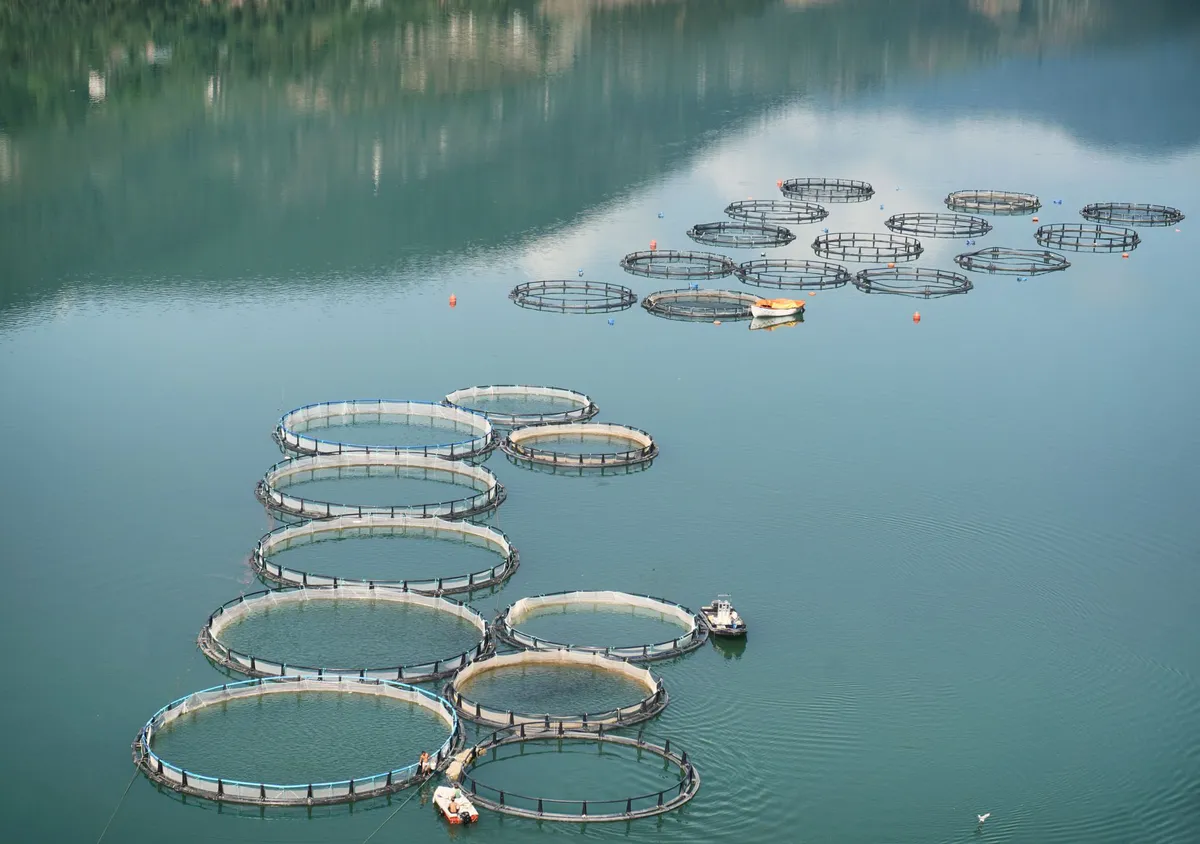
The oceans and waterways of the United States, stretching across 95,000 miles of coastline and encompassing 100,000 lakes, represent a treasure trove of economic potential. Yet, as recent reports indicate, the U.S. government is only scratching the surface in terms of investment in aquaculture—an industry that holds the promise of sustainability, job creation, and food security. The U.S. National Oceanic and Atmospheric Administration (NOAA) announced a modest $13.5 million partnership with the University of New Hampshire to identify aquaculture sites, a step that feels more like a token gesture than a serious commitment to harnessing the vast resources available.
This announcement comes against the backdrop of a stark contrast with international efforts, particularly those of the European Union (EU) and China, which have made significant investments in aquaculture. The EU, for instance, has allocated 4 billion euros to develop its “blue economy” through aquaculture, demonstrating a commitment to not only boosting seafood production but also addressing environmental concerns such as climate change and pollution. The results speak for themselves: the EU has reported selling one million tons of seafood for approximately 4.6 billion euros in recent years. So why is the U.S. lagging behind?
The Economic Case for Aquaculture in the U.S.
With the U.S. seafood industry running a negative balance of payments estimated at around $20 billion, it is evident that there is substantial economic opportunity in aquaculture. By investing in domestic seafood production, the U.S. could reduce its reliance on imports, keep jobs domestic, and contribute to local economies. The minimal funding announced by NOAA pales in comparison to the significant resources being directed towards renewable energy projects, such as the recent $1.2 billion paid to the German energy company RWE to relinquish offshore wind farm leases. This misallocation of resources raises questions about the priorities of the current administration, especially as it relates to sustainable development.
Understanding the Investment Gap
Public investment in aquaculture is not merely about increasing seafood supply; it is about creating a resilient and sustainable food system that can adapt to the challenges of climate change. The U.S. is clearly falling short in this regard. While the EU’s investment strategy touts benefits like decarbonization and pollution reduction, the U.S. appears to be moving in the opposite direction. The decision to redirect significant funds to a company that is stepping away from renewable energy initiatives demonstrates a troubling trend away from sustainability. The implication is clear: while other nations are embracing forward-thinking strategies, the U.S. risks missing out on vital economic and environmental opportunities.
Global Comparisons: The EU and China Lead the Way
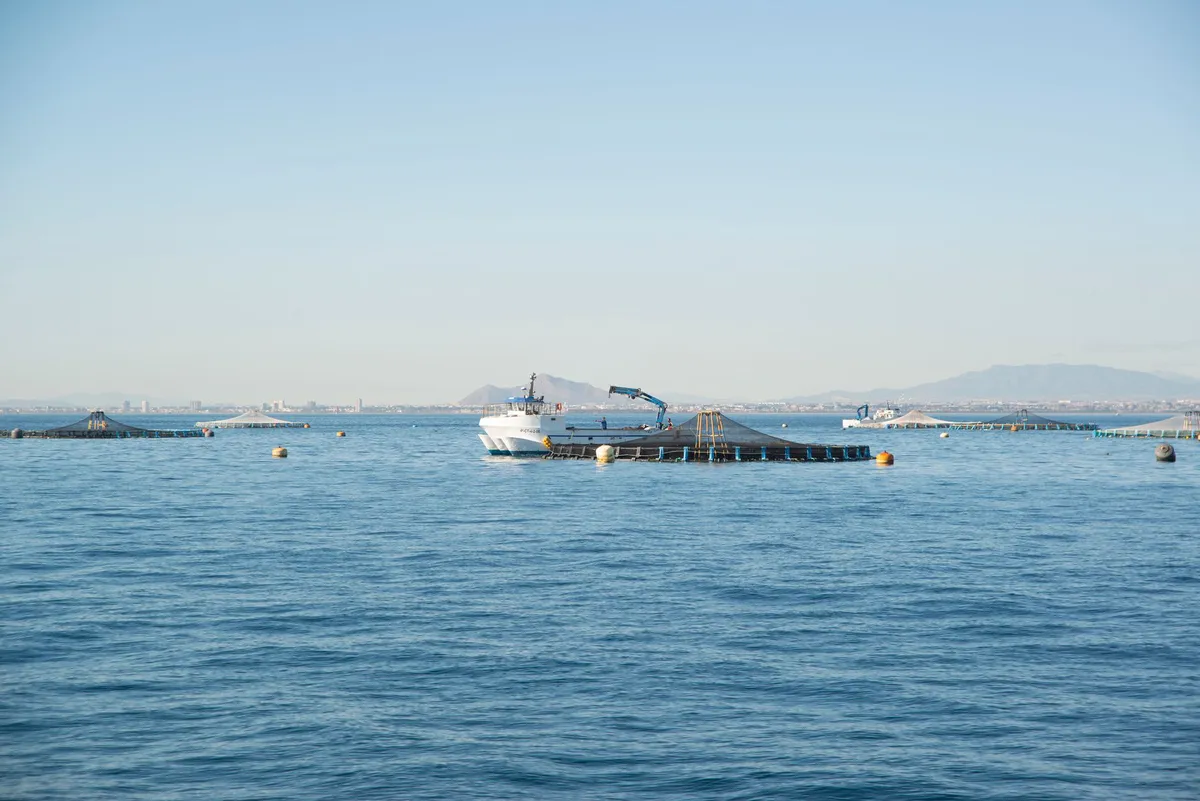
To grasp the significance of the U.S. investment gap, it is essential to look at leading players in the aquaculture industry. Norway, for instance, has emerged as a global leader, producing 1.6 million tons of aquatic organisms, predominantly salmon, valued at 9.5 billion euros. This output exceeds that of the entire EU aquaculture industry, underscoring Norway's dominance in seafood production. Yet, even Norway cannot compete with China, which is the world’s largest aquaculture producer, generating approximately 55 million tons of seafood annually.
China's Aquaculture Advantage
China's long history of aquaculture gives it a distinct advantage in the global market. The practice dates back over 5,000 years, with historical texts detailing early fish farming techniques. The Chinese government has aggressively promoted aquaculture to meet the rising demand for seafood, simultaneously focusing on sustainable practices. In contrast, the U.S. seems stagnant, lacking the same level of commitment or strategic planning to boost its own aquaculture capabilities.
Environmental Implications of Aquaculture Development
Beyond economic benefits, aquaculture has significant environmental implications. Sustainable aquaculture can help mitigate the negative impacts of overfishing and promote biodiversity. However, the lack of investment in this sector in the U.S. means that American consumers and communities will continue to rely heavily on imported seafood, often sourced through less sustainable practices.
- Climate Change Mitigation: Aquaculture can serve as a solution to the challenges posed by climate change.
- Pollution Reduction: Properly managed aquaculture can also help improve water quality.
- Job Creation: Investing in domestic aquaculture could create thousands of jobs in coastal communities.
- Food Security: Enhancing local seafood production can improve national food security.
Key Takeaways
- The U.S. has made minimal investments in aquaculture, contrasting sharply with the EU's 4 billion euro commitment.
- China leads the global aquaculture industry, producing over 55 million tons of seafood annually.
- Investing in aquaculture could significantly benefit the U.S. economy and environment.
- Current U.S. policy appears misaligned with sustainable development goals.
- Without strategic investment, the U.S. risks falling further behind global leaders in seafood production.
Frequently Asked Questions
What is aquaculture, and why is it important?
Aquaculture, often referred to as fish farming, is the cultivation of aquatic organisms, such as fish, crustaceans, and aquatic plants, under controlled conditions. It is crucial for meeting the growing global demand for seafood, providing a sustainable alternative to overfishing, and supporting food security. As populations increase, aquaculture presents a viable solution to ensure that communities have access to nutritious food while preserving marine ecosystems.
What are the environmental benefits of aquaculture?
When managed sustainably, aquaculture can have several environmental benefits, including reducing the pressure on wild fish populations, improving water quality through the filtering capabilities of certain species, and promoting biodiversity. It can also serve as a tool for climate change mitigation by utilizing renewable energy sources and minimizing carbon footprints associated with traditional fishing practices.
How can the U.S. improve its aquaculture industry?
To enhance its aquaculture sector, the U.S. needs to prioritize investment in research and development, create supportive regulatory frameworks, and encourage public-private partnerships. By fostering innovation in aquaculture technology and practices, the U.S. could tap into its rich aquatic resources, create jobs, and reduce its reliance on imported seafood.
What lessons can the U.S. learn from international aquaculture practices?
The U.S. can look to the EU and China for guidance on successful aquaculture strategies. The EU's commitment to sustainable practices and investment in the blue economy offers a roadmap for balancing economic growth with environmental stewardship. Similarly, China's long-standing tradition of aquaculture can inform modern practices that prioritize sustainability and efficiency. By learning from these global leaders, the U.S. can develop a robust aquaculture industry that benefits both the economy and the environment.
This article is intended for informational purposes only and does not constitute legal advice.
Comments
California Supreme Court Rules in Favor of Tesoro Refining's Tax Refund Case
The California Supreme Court has sided with Tesoro Refining & Marketing in a pivotal tax dispute, overturning local requirements for tax refund claims. This unanimous decision clarifies the interaction between local and state tax laws, with significant implications for businesses operating in California.

Related articles



Popular in Business Law
- Supreme Court Justices' Financial Disclosures: A Closer Look
- Vishal Garg's Leadership Fallout: The Rise and Fall of Better.com
- Former Intelligence Official Faces Penalty for Post-Government Misconduct
- Blank Rome Faces Lawsuit After Major Data Breach Exposes Personal Information
- Congress Faces Reckoning Over Member-Staff Relationships