Conviction of 'How to Kill a Federal Judge' Author Highlights Legal Risks
The conviction of the author behind 'How to Kill a Federal Judge' raises significant concerns about threats to judicial independence and legal consequences for inciting violence. This article explores the implications of such actions within the US legal framework.
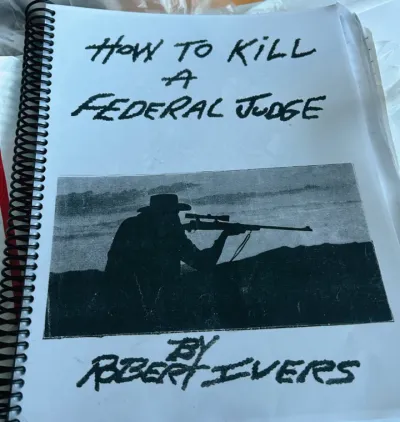
The recent conviction of a Minnesota man for writing a book titled "How to Kill a Federal Judge" has sent shockwaves through the legal community, raising critical questions about the boundaries of free speech and the law's ability to protect judicial officers from threats. This case underscores the serious repercussions that can arise when individuals consider inciting violence against public officials, particularly those tasked with upholding the law.
In a society that values free expression, the actions of this individual serve as a stark reminder of the potential consequences when speech crosses into the territory of direct threats. The court's ruling not only holds the author accountable for his words but also emphasizes the importance of maintaining the integrity and safety of the judiciary.
Understanding the Legal Framework of Threats
In the United States, the First Amendment provides robust protections for free speech; however, this right is not absolute. The law has established certain categories of speech that are not protected, including true threats. A true threat is defined as a statement that a reasonable person would interpret as a serious expression of intent to commit an act of unlawful violence against a particular individual or group.
The Role of Intent in Threat Cases
In cases involving threats against public officials, the courts closely examine the speaker's intent. The prosecution must prove that the individual not only intended to convey a threat but also that the threat was credible. This often involves analyzing contextual factors, such as the manner of delivery, the audience's reaction, and any prior history of violence or threats from the speaker.
- Free Speech Limitations: Not all speech is protected under the First Amendment.
- True Threat Definition: Statements that convey a serious intent to commit violence.
- Judicial Independence: Threats against judges undermine the justice system.

The Impact of Judicial Threats on the Justice System
The implications of threats against judges extend far beyond the individual case. Such threats can instill fear in judicial officers, potentially affecting their decision-making processes. When judges feel unsafe, it may influence their willingness to issue rulings in contentious cases, ultimately undermining the independence of the judiciary.
Moreover, the chilling effect of these threats can discourage individuals from pursuing careers in law or public service, leading to a lack of diversity and representation within the judiciary. As public trust in legal institutions wanes, the fabric of democracy itself can be compromised.
Legal Precedents and Consequences
Legal precedents surrounding threats against public officials can vary significantly, but they often lead to severe consequences. Convictions for threatening a federal judge can result in substantial fines and lengthy prison sentences. For example, individuals found guilty of making threats against federal officials can face up to 10 years in prison under federal law.
Public Reaction and Media Coverage
The media's portrayal of this case has sparked a national conversation about the boundaries of free speech and the responsibilities of authors and content creators. While some argue that the author’s book is a satirical work that should be protected under the First Amendment, others contend that it poses a dangerous precedent for inciting violence against public officials.
Public reactions have been mixed, with advocates for free speech emphasizing the importance of artistic expression, while critics argue that there must be limits to ensure the safety and integrity of the judicial system. This dichotomy highlights the ongoing struggle to balance free expression with the need for accountability in the face of potential violence.

Key Takeaways
- Threats against judges are treated seriously and can lead to severe legal consequences.
- The balance between free speech and public safety is a contentious issue in the legal system.
- Judicial independence is crucial for maintaining trust in the justice system.
- Public discourse surrounding such cases shapes societal attitudes toward the law and free expression.
Frequently Asked Questions
What constitutes a true threat?
A true threat is a statement that a reasonable person would interpret as a serious expression of intent to commit an act of violence against an individual or group. In legal terms, it goes beyond mere hyperbole or jest; it reflects a genuine intent to harm, which can lead to criminal charges.
What are the potential penalties for threatening a federal judge?
Individuals convicted of threatening a federal judge can face severe penalties, including substantial fines and imprisonment. Under federal law, the maximum sentence can reach up to 10 years in prison, depending on the severity of the threat and the circumstances surrounding the case.
How do courts evaluate threats against public officials?
Courts evaluate threats against public officials by examining the context and intent behind the statements made. Factors such as the nature of the threat, the delivery method, and any prior history of violent behavior are considered to determine whether the threat is credible and actionable.
What are the implications of this case for free speech?
This case raises critical questions about the limits of free speech, particularly concerning works that may incite violence against public officials. While free expression is a fundamental right, the case underscores the necessity of accountability when speech has the potential to harm. It invites ongoing debate about finding the right balance between protecting free speech and ensuring public safety.
This content is general information and not legal advice.
Comments
The Future of U.S. Aquaculture: Opportunities and Challenges
Despite the growing global aquaculture sector, U.S. investments remain minimal. This article explores the implications of America's lack of commitment to aquaculture and contrasts it with global efforts, particularly in the EU and China.

Related articles


Popular in Business Law
- Supreme Court Justices' Financial Disclosures: A Closer Look
- Vishal Garg's Leadership Fallout: The Rise and Fall of Better.com
- Former Intelligence Official Faces Penalty for Post-Government Misconduct
- Blank Rome Faces Lawsuit After Major Data Breach Exposes Personal Information
- Congress Faces Reckoning Over Member-Staff Relationships