California Supreme Court Rules in Favor of Tesoro Refining's Tax Refund Case
The California Supreme Court has sided with Tesoro Refining & Marketing in a pivotal tax dispute, overturning local requirements for tax refund claims. This unanimous decision clarifies the interaction between local and state tax laws, with significant implications for businesses operating in California.
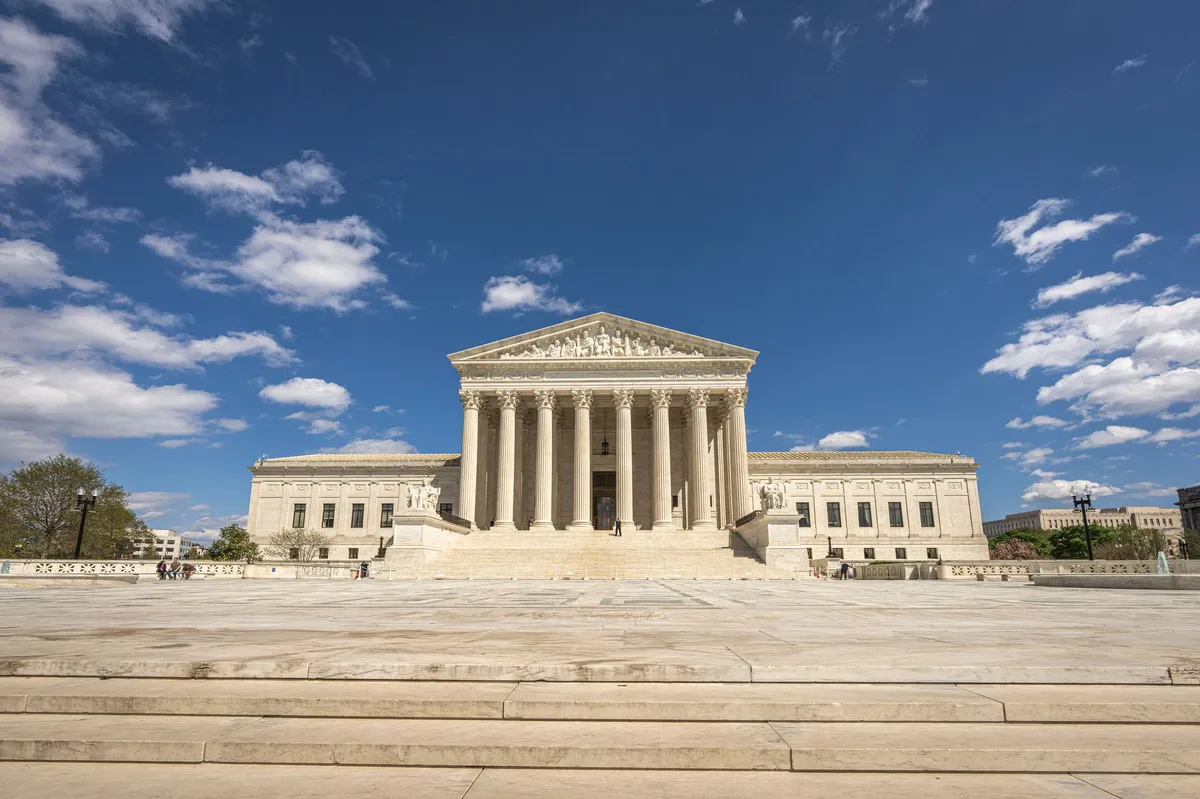
The California Supreme Court has delivered a significant ruling favoring Tesoro Refining & Marketing in a local tax dispute with the city of Carson. On a unanimous decision, the state’s highest court determined that Carson could not impose additional administrative requirements for taxpayers seeking a refund on taxes already paid under protest. This ruling clarifies the legal landscape regarding local and state tax claims and could have far-reaching effects on how businesses navigate local tax regulations.
At the heart of the case was the Oil Industry Business License Tax ordinance, ratified by Carson voters in 2017. This ordinance imposed a 0.25% tax on the gross receipts of oil refining and petroleum storage operations conducted within city limits. Following an audit, Carson alleged that Tesoro had underpaid its business tax during the period from December 2017 through June 2018, issuing a notice of tax deficiency. Tesoro contested this deficiency, arguing that the city had employed an unlawful methodology to calculate the tax owed, leading the company to pay the assessed deficiency under protest and subsequently seek a refund from the city clerk.

The Core of the Legal Dispute
The legal battle hinged on the interplay between local administrative procedures and the state’s Government Claims Act (GCA). The GCA establishes a uniform framework for presenting claims for damages or monetary demands across California, aiming to eliminate conflicting requirements imposed by various public entities. Carson’s argument suggested that Tesoro needed to navigate additional local procedures before filing a claim based on the GCA. These included requesting a refund from the city’s finance director and appealing any denial to the city manager.
However, the California Supreme Court found that requiring taxpayers to exhaust these local administrative procedures would contradict the GCA’s intention of providing uniformity in claims processing. Chief Justice Patricia Guerrero articulated that such a requirement would frustrate the primary purpose of the GCA by adding layers of complexity that the Legislature sought to eliminate.
Implications for Businesses and Local Governments
This ruling bears significant implications for businesses operating in California, particularly in industries subject to local taxation. By affirming Tesoro’s right to pursue a tax refund without adhering to Carson’s additional administrative steps, the court has reinforced the notion that state law takes precedence over local ordinances when it comes to tax claims.
For local governments, this decision may necessitate a reevaluation of existing tax ordinances, especially those that impose specific procedural requirements on businesses seeking refunds or contesting tax liabilities. The ruling could potentially deter localities from enacting overly burdensome tax processes that might conflict with state law.
Understanding the Broader Context of Tax Disputes
The case highlights broader issues related to the administration of tax laws in California, where tensions often arise between state authority and local governance. The GCA was designed to streamline tax refund procedures and minimize disputes arising from variances in local tax administration. The California Supreme Court’s ruling serves as a reminder that while local governments possess the right to levy taxes, they must do so within the framework established by state law.
Moreover, businesses need to be aware of the statutory limitations that govern tax disputes. In California, the statute of limitations for filing a claim under the GCA is typically six months from the date of the denial of a claim. This emphasizes the importance for businesses to act swiftly when contesting tax assessments or seeking refunds, ensuring compliance with both local and state requirements.

Operational Impact on Tesoro Refining
For Tesoro Refining, the decision not only clears the path for its tax refund claim but also signifies a larger victory in its ongoing operations. As the largest refinery on the West Coast, with a crude oil capacity of 365,000 barrels per day, Tesoro plays a crucial role in California's oil supply chain. The refinery processes heavy crude oil from various sources, including California’s San Joaquin Valley and international locations.
The tax imposed under the 2017 ordinance, while relatively small at 0.25%, represents a significant financial burden given the scale of operations at Tesoro's facility. A successful refund claim could yield substantial financial relief, enabling the company to allocate resources more effectively amidst an evolving regulatory landscape in the oil and gas industry.
Key Takeaways
- The California Supreme Court ruled in favor of Tesoro, clarifying tax refund procedures.
- Local governments cannot impose additional requirements beyond state law for tax claims.
- The ruling emphasizes the importance of the Government Claims Act in standardizing tax dispute processes.
- Businesses must navigate both local and state regulations in tax matters to avoid compliance issues.
- Immediate action is critical for businesses contesting tax assessments due to statutory limitations.
Frequently Asked Questions
What is the Government Claims Act?
The Government Claims Act (GCA) is a California statute that establishes uniform procedures for individuals and entities to present claims against public entities for damages or other monetary demands. It aims to simplify the claims process across various levels of government and reduce inconsistencies that can arise from local regulations. The GCA is particularly important for businesses that may face disputes over taxes or other financial obligations to local governments.
How can local governments levy taxes in California?
Local governments in California have the authority to impose taxes, provided they comply with state law and local charters. However, these taxes must adhere to specific guidelines established by state legislation, including the requirement to offer a clear process for taxpayers to contest assessments and seek refunds. Any local ordinance that conflicts with state law may be deemed invalid, as demonstrated in the Tesoro case.
What should businesses do if they receive a tax deficiency notice?
Upon receiving a tax deficiency notice, businesses should carefully review the notice for accuracy, including the amount owed and the methodology used by the taxing authority. It is advisable to consult with legal or tax professionals to assess the situation and determine the best course of action, which may include paying the deficiency under protest, filing a claim for a refund, or contesting the deficiency through appropriate channels.
How can businesses protect themselves from unfair tax assessments?
To protect against unfair tax assessments, businesses should maintain comprehensive financial records, ensure compliance with all applicable tax laws, and stay informed about changes in local and state tax regulations. Engaging with tax professionals can provide valuable insights and assistance in navigating complex tax matters, especially for businesses operating in multiple jurisdictions.
Comments
The Future of U.S. Aquaculture: Opportunities and Challenges
Despite the growing global aquaculture sector, U.S. investments remain minimal. This article explores the implications of America's lack of commitment to aquaculture and contrasts it with global efforts, particularly in the EU and China.

Related articles


Popular in Business Law
- Supreme Court Justices' Financial Disclosures: A Closer Look
- Vishal Garg's Leadership Fallout: The Rise and Fall of Better.com
- Former Intelligence Official Faces Penalty for Post-Government Misconduct
- Blank Rome Faces Lawsuit After Major Data Breach Exposes Personal Information
- Congress Faces Reckoning Over Member-Staff Relationships