Shein Under FTC Investigation Ahead of Anticipated IPO: What You Need to Know
As Shein prepares for its initial public offering, the company faces an FTC investigation that could significantly impact its financial future. This article explores the implications of the inquiry, Shein's rapid growth, and the broader context of consumer protection.
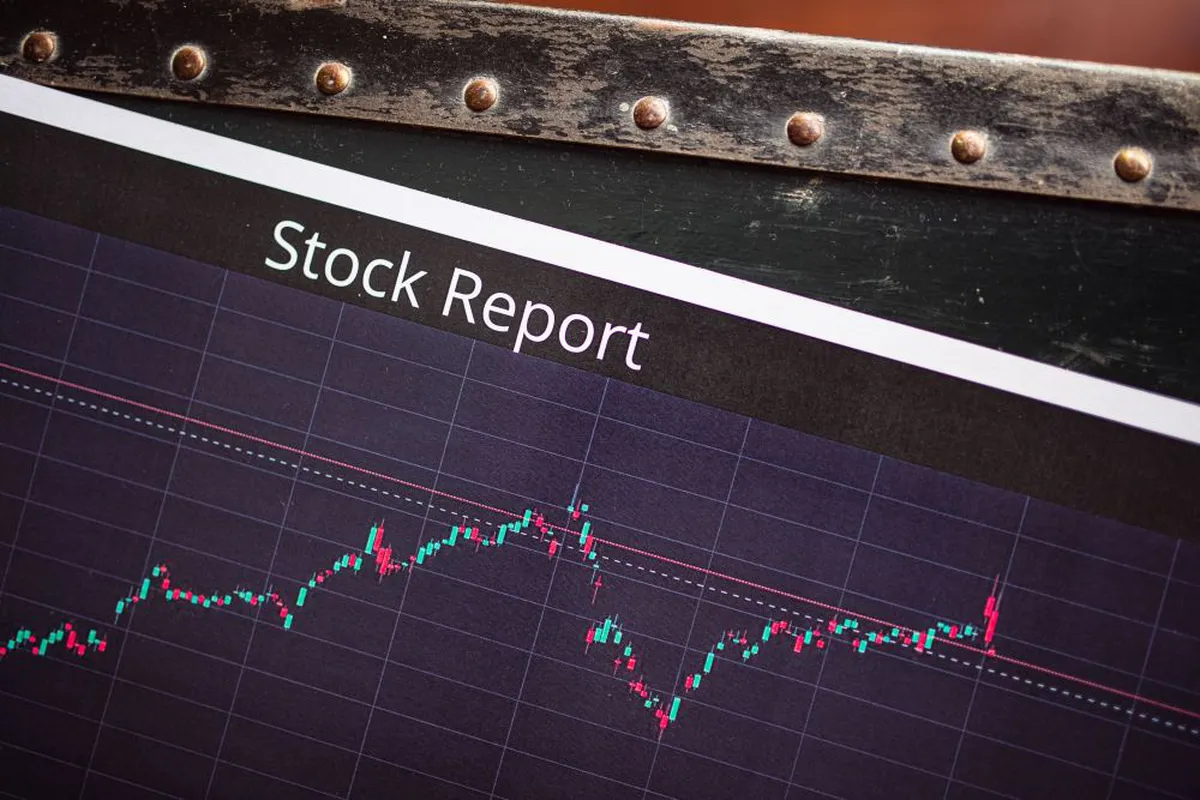
In the fast-paced world of retail, few brands have experienced the meteoric rise of Shein, the Chinese fast-fashion powerhouse that has captivated global consumers with its trendy, affordable clothing. However, as the company gears up for a potential initial public offering (IPO) on the Hong Kong stock exchange, it finds itself under the scrutiny of the Federal Trade Commission (FTC). This investigation could pose significant challenges to Shein's ambitious plans and financial health, raising important questions for both investors and consumers.
Shein disclosed its FTC investigation in regulatory documents tied to its IPO preparations, warning that the outcome could result in substantial financial repercussions. As the company cooperates with the federal agency, uncertainty looms not only over the investigation's timeline and potential outcomes but also over Shein's operational practices that have drawn increasing scrutiny. With a reputation built on affordability and variety, the fast-fashion retailer now faces critical challenges that could reshape its future.

Understanding the FTC's Role and the Nature of the Investigation
The Federal Trade Commission is a U.S. government agency tasked with protecting consumers by preventing unfair, deceptive, or fraudulent business practices. Its investigations often target companies suspected of misleading advertising, false claims, or other actions that could harm consumers. While the exact nature of the investigation into Shein remains undisclosed, it highlights the FTC's commitment to ensuring that businesses adhere to ethical practices.
Possible Areas of Investigation
While the details are sparse, there are several areas where Shein could be under scrutiny:
- Supply Chain Transparency: Lawmakers have previously raised concerns regarding the sourcing of materials used in Shein's products, particularly cotton linked to forced labor practices in China's Xinjiang region.
- Consumer Safety: Past incidents, such as the sale of inappropriate items like childlike sex dolls, have led to questions about how Shein monitors third-party sellers on its platform.
- Environmental Claims: In Italy, Shein faced scrutiny over potentially misleading sustainability claims, which could also be a focus of the FTC's investigation.
As the investigation unfolds, Shein's management may face pressure to address these concerns transparently and proactively, especially given the increasing demand for accountability in corporate practices.

The Implications of the Investigation on Shein's Financial Health
The FTC investigation comes at a time when Shein is attempting to stabilize its financial performance ahead of its IPO. The company reported a staggering loss of $99 million in the first quarter of 2026, a stark contrast to the $395 million profit recorded during the same period the previous year. This financial downturn has been attributed to various factors, including changes in shipment regulations for low-value goods entering the United States.
Financial Risks Associated with the Investigation
There are several potential financial risks for Shein stemming from the FTC investigation:
- Settlement Costs: If the investigation leads to a settlement, Shein may be liable for substantial payments that could impact its bottom line.
- Investor Confidence: Ongoing scrutiny could undermine investor confidence, making it more challenging for Shein to attract the capital needed for its IPO.
- Operational Adjustments: The need to alter business practices to comply with regulatory standards could incur additional costs and logistical challenges.
With the stakes high, Shein’s leadership must navigate the investigation while preparing for the public markets, a balancing act that could define the company's long-term viability.

Shein's Growth Trajectory and Market Challenges
Founded in 2008, Shein has rapidly evolved from a niche online retailer to a dominant force in the fast-fashion industry. The company is especially popular among younger consumers, thanks to its vast array of trendy, low-cost apparel. Its swift growth has been fueled by aggressive marketing strategies and a keen understanding of social media trends.
Challenges to Maintaining Growth
Despite Shein's impressive expansion, maintaining its growth trajectory is fraught with challenges:
- Regulatory Scrutiny: As highlighted by the FTC investigation, regulatory bodies are increasingly focused on ensuring ethical business practices in the fashion industry.
- Consumer Awareness: Today's consumers are more informed and concerned about the ethics of their purchases, leading to a demand for transparency and sustainability.
- Global Competition: The fast-fashion industry is fiercely competitive, with numerous brands vying for market share, making it essential for Shein to differentiate itself.
As Shein strives to maintain its competitive edge, the impending IPO and the associated investigations will be critical factors influencing its business strategy and consumer perception.
What This Means for Consumers and Investors
The FTC investigation into Shein carries significant implications for both consumers and investors. For consumers, the investigation underscores the importance of scrutinizing the brands they support, especially in an era where ethical considerations are paramount. As Shein works to address the concerns raised by regulators, consumers may want to monitor how the company evolves its practices in response to public scrutiny.
Investor Considerations
For investors eyeing Shein's IPO, the ongoing investigation is a crucial factor to consider. The potential for financial liabilities stemming from the FTC inquiry could impact Shein's valuation and future profitability. Investors should weigh the risks against the company's growth potential, especially in a market that increasingly values ethical business practices.

Key Takeaways
- Shein is under investigation by the FTC, which could lead to financial repercussions for the company.
- The investigation focuses on various aspects of Shein's business practices, including supply chain transparency and consumer safety.
- Shein's financial performance has declined significantly, raising concerns about its future viability as a publicly traded company.
- Consumers and investors alike should keep an eye on how the investigation unfolds and its impact on Shein's operations.
Frequently Asked Questions
What is the FTC and what role does it play in the Shein investigation?
The Federal Trade Commission (FTC) is a U.S. government agency responsible for enforcing consumer protection laws and preventing unfair business practices. In the context of Shein, the FTC is investigating aspects of the company's operations to ensure compliance with ethical standards and consumer safety regulations. The outcome of this investigation could lead to significant financial implications for Shein as it prepares for its IPO.
How could the investigation affect Shein's IPO plans?
The ongoing FTC investigation introduces uncertainty into Shein's IPO plans. Depending on the findings, Shein may face financial liabilities or regulatory adjustments that could impact its attractiveness to investors. The investigation's outcome could also delay the IPO process, affecting Shein's ability to raise capital and execute its growth strategies.
What should consumers know about Shein's business practices?
Consumers should be aware of the scrutiny surrounding Shein's business practices, particularly concerning supply chain ethics and product safety. The FTC investigation serves as a reminder for consumers to consider the ethical implications of their purchases and to stay informed about the brands they support. As Shein works to address these concerns, monitoring its practices and transparency will be essential.
What are the broader implications of this investigation for the fashion industry?
The investigation into Shein reflects a growing trend within the fashion industry towards increased scrutiny of business practices, particularly regarding labor conditions and environmental claims. As regulatory agencies ramp up their oversight, other fast-fashion retailers may face similar challenges, leading to a broader push for greater accountability and sustainability across the industry.
This content is general information and not legal advice.
Comments
The Legal Status of AI: Tools or Persons? Insights from Recent Rulings
Two recent rulings from the Ninth Circuit Court explore the legal definitions of artificial intelligence and trademark parody, raising questions about the future of technology and intellectual property.

Related articles

Popular in Business Law
- Supreme Court Justices' Financial Disclosures: A Closer Look
- Vishal Garg's Leadership Fallout: The Rise and Fall of Better.com
- Former Intelligence Official Faces Penalty for Post-Government Misconduct
- Blank Rome Faces Lawsuit After Major Data Breach Exposes Personal Information
- Congress Faces Reckoning Over Member-Staff Relationships