Maryland's Redistricting Controversy: A Legal Battle Unfolds
Maryland conservatives have initiated a lawsuit against a proposed redistricting initiative, arguing that it violates constitutional deadlines and due process rights. The outcome could significantly affect the state's political landscape, potentially eliminating the last Republican congressional seat.
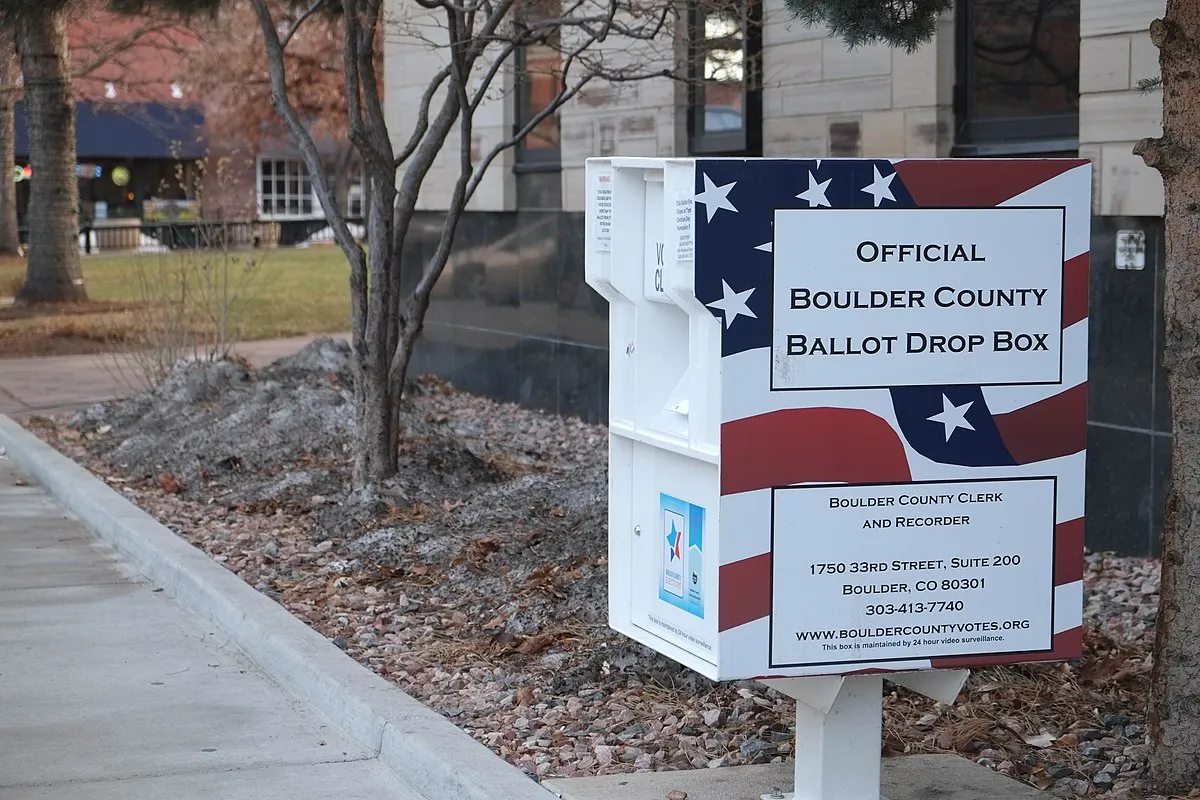
The political landscape in Maryland is heating up as conservatives in the state have taken a stand against a proposed redistricting initiative that seeks to redraw congressional district lines. This initiative, if successful, could lead to the elimination of the state’s last Republican-held congressional seat, currently represented by Rep. Andy Harris. The lawsuit is not merely a political maneuver but raises significant legal questions regarding constitutional adherence and procedural integrity.
At the heart of the matter is a lawsuit filed by Maryland Republicans shortly after a special legislative session concluded, during which Democrats sought to place a redistricting ballot question before voters in November. State Delegate Matt Morgan (R-St. Mary's) has been vocal in his criticism, asserting that the Democrats are manipulating the process for partisan gain. He characterized the legislative actions as reminiscent of a ‘banana republic,’ accusing the ruling party of disregarding the rules and statutory deadlines that govern the redistricting process.
The Legal Framework of Redistricting
Redistricting is a critical process that occurs every ten years following the U.S. census. It involves redrawing the boundaries of congressional and state legislative districts to reflect population changes. While redistricting is essential for ensuring equitable representation, it has often been mired in controversy, particularly when accusations of gerrymandering arise. Gerrymandering refers to the manipulation of district boundaries to favor one party over another.
The Maryland lawsuit highlights significant legal issues, including the argument that Democrats missed a crucial July deadline for ballot inclusion. This lapse raises questions about due process and whether voters have been denied their right to participate meaningfully in the electoral process. The lawsuit cites procedural errors and contends that these oversights could invalidate the proposed changes.
Key Players in the Legal Battle
The lawsuit names several prominent figures, including Maryland Governor Wes Moore, Attorney General Anthony Brown, and the state Board of Elections, as defendants. The Republican Party's strategy is to leverage these procedural arguments to block the redistricting initiative, framing it as a matter of fundamental fairness and respect for the electoral process.
The Role of Constitutional Experts
In response to the lawsuit, Attorney General Moore has expressed confidence in the legislation's legality, indicating that the Democrats have engaged constitutional experts to ensure compliance with both state and federal laws. This legal backing is crucial, as the outcome of this case could set significant precedents for future redistricting efforts not only in Maryland but also in other states grappling with similar partisan conflicts.
Implications of the Lawsuit
Should the lawsuit succeed, the implications for Maryland's political landscape could be profound. The potential elimination of Rep. Harris's district may not only impact Republican representation in Congress but could also influence statewide electoral trends. Moreover, if the court rules in favor of the Republicans, it could embolden similar challenges in other states, particularly those where partisan control is hotly contested.
- Potential Loss of Representation: The elimination of a congressional seat could significantly alter Maryland's political dynamics.
- Legal Precedent: The outcome may serve as a benchmark for future redistricting disputes across the nation.
- Public Engagement: The case underscores the importance of public participation in the legislative process.
The Broader Context of Redistricting
Redistricting has become an increasingly contentious issue in American politics, especially in the wake of the 2020 census. Many states, including Maryland, have seen efforts to reconfigure district lines as a direct response to political pressures, including calls from figures like former President Donald Trump, urging Republicans to strengthen their electoral positions through gerrymandering.
This legal battle in Maryland is occurring within a broader national context where various states are grappling with the implications of redistricting. As demographic shifts occur and political ideologies evolve, the stakes continue to rise. In many cases, redistricting efforts have led to lawsuits, protests, and fierce debates over the fairness and integrity of electoral processes.

Key Takeaways
- The Maryland lawsuit challenges the legality of a proposed redistricting initiative.
- Arguments center around missed deadlines and the need for due process in voter participation.
- The outcome could reshape Maryland's political landscape and influence future redistricting efforts nationwide.
Frequently Asked Questions
What is the significance of redistricting in Maryland?
Redistricting in Maryland, as in other states, is crucial for ensuring that congressional and legislative districts accurately reflect the population. It holds significant implications for political representation and can influence policy decisions at the state and federal levels. The current lawsuit seeks to address concerns about potential gerrymandering and the integrity of the redistricting process.
How do deadlines affect the redistricting process?
Deadlines are essential in the redistricting process as they ensure that changes can be implemented in time for upcoming elections. Missing these deadlines can lead to legal challenges, as seen in the Maryland lawsuit, where Republicans argue that the Democrats' failure to adhere to statutory timelines undermines the democratic process and violates voters' rights.
What could happen if the lawsuit is successful?
If the lawsuit succeeds, it could block the proposed redistricting initiative, preserving the current congressional map and potentially maintaining Republican representation in Congress. A ruling in favor of the Republicans might also encourage similar legal challenges in other states, leading to a reevaluation of redistricting practices nationwide.
Comments
Shein Under FTC Investigation Ahead of Anticipated IPO: What You Need to Know
As Shein prepares for its initial public offering, the company faces an FTC investigation that could significantly impact its financial future. This article explores the implications of the inquiry, Shein's rapid growth, and the broader context of consumer protection.

Related articles

Popular in Business Law
- Supreme Court Justices' Financial Disclosures: A Closer Look
- Vishal Garg's Leadership Fallout: The Rise and Fall of Better.com
- Former Intelligence Official Faces Penalty for Post-Government Misconduct
- Blank Rome Faces Lawsuit After Major Data Breach Exposes Personal Information
- Congress Faces Reckoning Over Member-Staff Relationships