Court Ruling Halts Trump's White House Ballroom Expansion Plans
A federal appeals court has ruled that President Trump cannot proceed with the construction of a $400 million ballroom at the White House without congressional approval. This decision underscores the importance of legislative authority over executive actions in matters related to federal property.
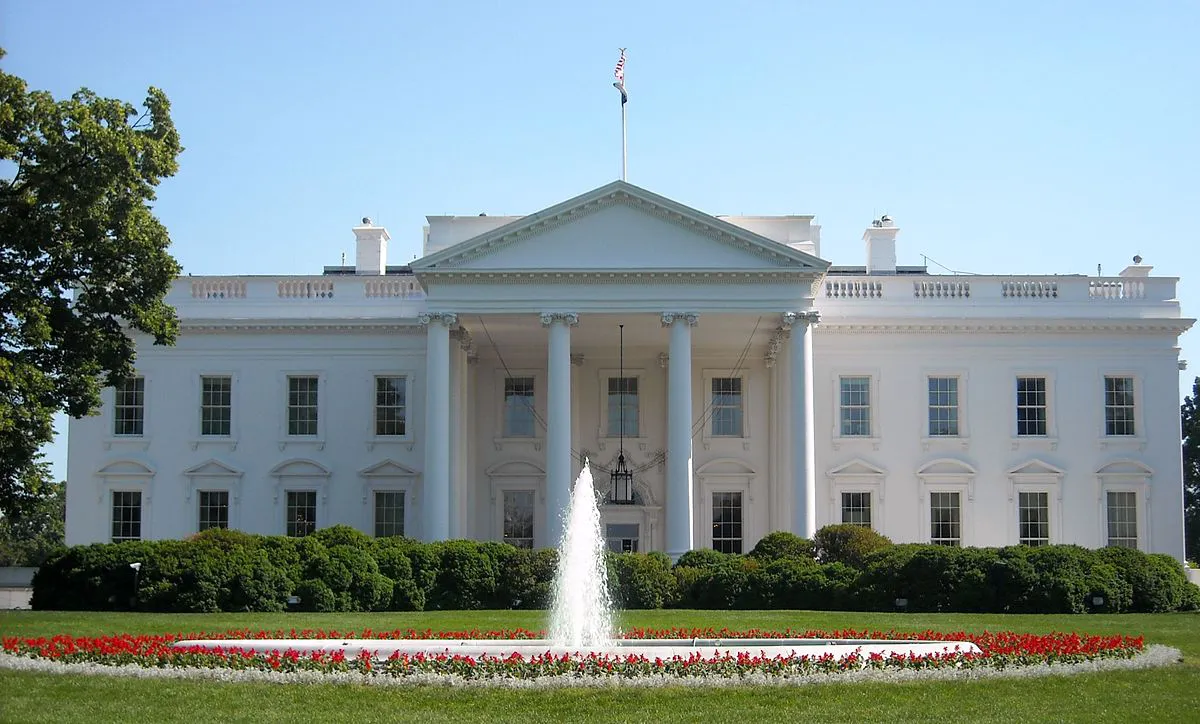
In a significant legal ruling that underscores the balance of power between the legislative and executive branches, a federal appeals court has ordered President Donald Trump to halt construction on a controversial $400 million ballroom addition to the White House. This ruling, delivered by a three-judge panel from the U.S. Court of Appeals for the District of Columbia Circuit, emphasizes that decisions regarding such structural changes to federal property lie within the purview of Congress, not the executive branch.
The proposed ballroom, which would occupy an impressive 90,000 square feet, has been a point of contention not only due to its considerable financial implications but also because of its potential impact on the historical integrity of the White House. The court's decision is a reflection of broader concerns regarding the preservation of historical sites and the limits of executive power when it comes to significant alterations of federal property.

The Court's Ruling: Key Points
In its 2-1 decision, the appellate court made several critical points regarding the legalities surrounding the proposed construction:
- Authority of Congress: The court stated unequivocally that the construction of the ballroom requires congressional authorization, highlighting that the Constitution and existing laws dictate such procedural requirements.
- Separation of Powers: The ruling reinforces the principle of separation of powers, reminding that self-help measures by the executive branch in executing construction projects are not permissible without legislative approval.
- Impact on Historical Significance: The court echoed concerns raised by historical preservationists, suggesting that the ballroom could compromise the historical significance of the surrounding area, especially sites such as the Lincoln Memorial and Arlington National Cemetery.
Trump's Response to the Ruling
In the wake of the appellate court's decision, President Trump expressed his frustration through social media, decrying the ruling as unjust and politically motivated. He argued that the ballroom project is critical not just for ceremonial purposes but also for national security, claiming it was designed to include bomb shelters, hospitals, and facilities for the Secret Service. Trump's characterizations of the project reflect a broader narrative he has employed regarding the necessity of infrastructure improvements at the White House.
Historical Context and Legal Precedents
The ruling on Trump's proposed ballroom construction is not an isolated incident but rather part of a longstanding legal framework governing the use and modification of federal properties. The National Historic Preservation Act, enacted in 1966, aims to protect the historical integrity of significant sites across the nation, and it requires federal agencies to consider the effects of their actions on historic properties.
Previous cases have set important precedents regarding the construction and modification of federal properties. For instance, in 2010, the Supreme Court upheld restrictions on federal construction that could affect historical landmarks. Such rulings reinforce the importance of legislative oversight in matters that could alter the landscape of historically significant sites.

Public Opinion and Advocacy
The National Trust for Historic Preservation, one of the plaintiffs in this case, celebrated the ruling as a victory for public involvement in the preservation of historical sites. Brent Leggs, the CEO of the organization, stated that the law is clear: only Congress has the authority to authorize such construction. This sentiment resonates with many Americans who value the historical significance of the White House and its surroundings.
Public sentiment surrounding Trump's proposed ballroom has been mixed, with some viewing it as a frivolous expenditure in a time of pressing national issues, while others argue for the importance of enhancing the White House's functionality. The court's decision opens the door for more public engagement and advocacy regarding the use of federal resources for such projects.

The Path Forward: Legal Implications and Next Steps
While the appellate court has ruled against the Trump administration's plans for the ballroom, it has allowed a brief window—14 days—for the administration to prepare for a potential appeal to the Supreme Court. This stay means that, for the moment, the question of whether Trump can build the ballroom remains unresolved.
The implications of this ruling are far-reaching and could set a precedent for future executive actions concerning federal property. If the Supreme Court chooses to hear the case, it may provide further clarification on the limits of executive power and the role of Congress in such significant decisions.
Key Takeaways
- Federal Appeals Court Ruling: President Trump cannot build the White House ballroom without congressional approval.
- Historical Preservation: The ruling emphasizes the need to protect historically significant sites from unauthorized alterations.
- Separation of Powers: The decision reinforces the constitutional principle that the executive branch cannot unilaterally make significant construction decisions.
- Future Legal Battles: The administration has the option to appeal to the Supreme Court, which may further define the boundaries of executive authority.
Frequently Asked Questions
What are the implications of the court's ruling on future construction projects?
The court's ruling serves as a significant precedent for future construction projects involving federal properties. It highlights the necessity for congressional approval and underscores the importance of adhering to laws designed to protect historical integrity. This sets a clear expectation that any future projects must involve legislative oversight to ensure compliance with federal regulations.
Can the Trump administration appeal the ruling, and what would that process involve?
Yes, the Trump administration has the option to appeal the ruling to the Supreme Court. The appeal process involves filing a petition for a writ of certiorari, which requests that the Supreme Court review the case. If the Court agrees to hear the case, it will examine the legal arguments presented and issue a final ruling that could either uphold the appellate court's decision or reverse it.
How does this ruling affect public engagement in government decisions?
This ruling empowers public engagement by affirming the right of citizens and advocacy groups to voice their opinions on government actions, particularly those related to historical preservation. It encourages transparency and accountability in government decision-making, fostering a greater sense of civic responsibility among the public.
What is the National Historic Preservation Act, and how does it relate to this case?
The National Historic Preservation Act is a federal law that aims to protect the historical significance of sites across the United States. In this case, it relates to the court's decision by providing a legal framework that requires federal agencies to consider the impact of their actions on historical properties, thereby reinforcing the necessity for congressional approval for significant alterations to federal sites.
This content is general information and not legal advice.
Comments
Shein Under FTC Investigation Ahead of Anticipated IPO: What You Need to Know
As Shein prepares for its initial public offering, the company faces an FTC investigation that could significantly impact its financial future. This article explores the implications of the inquiry, Shein's rapid growth, and the broader context of consumer protection.

Related articles

Popular in Business Law
- Supreme Court Justices' Financial Disclosures: A Closer Look
- Vishal Garg's Leadership Fallout: The Rise and Fall of Better.com
- Former Intelligence Official Faces Penalty for Post-Government Misconduct
- Blank Rome Faces Lawsuit After Major Data Breach Exposes Personal Information
- Congress Faces Reckoning Over Member-Staff Relationships