Colombia's New President Vows to Shift Focus from Peace to Security
Abelardo de la Espriella, Colombia's newly sworn-in president, signals a significant policy shift from peace negotiations to aggressive security measures. His administration's approach raises concerns about potential human rights violations amid ongoing violence.
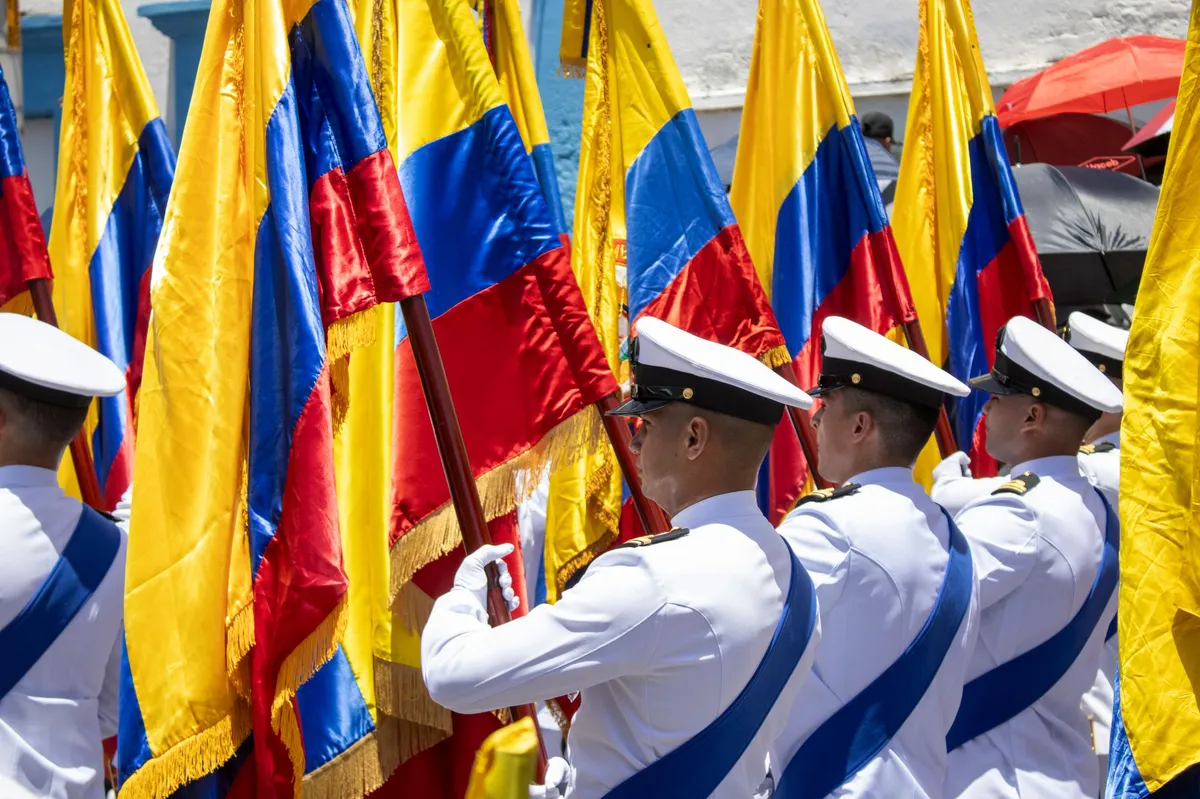
In a dramatic pivot for Colombian politics, Abelardo de la Espriella, a self-styled political outsider and staunch ally of Trump, has taken office as the president of Colombia, promising to dismantle the peace efforts of his predecessor, Gustavo Petro. De la Espriella's election campaign was marked by a fervent appeal to voters disillusioned with the lack of progress in peace negotiations, which had been a hallmark of Petro's administration. As he embarks on this new mandate, the implications of his hardline approach are poised to reshape the landscape of security and human rights in one of South America's largest countries.
Gustavo Petro, Colombia's first leftist president in over two centuries, came to power with the ambition of fostering dialogue with armed groups, aiming to strengthen the 2016 peace accords that led to the disarmament of the Revolutionary Armed Forces of Colombia (FARC). However, during his tenure, the government struggled against the complexities of a changing security environment, with many dialogue efforts proving futile amidst escalating violence in regions long plagued by conflict. As a result, discontent simmered among the populace, setting the stage for de la Espriella's election.
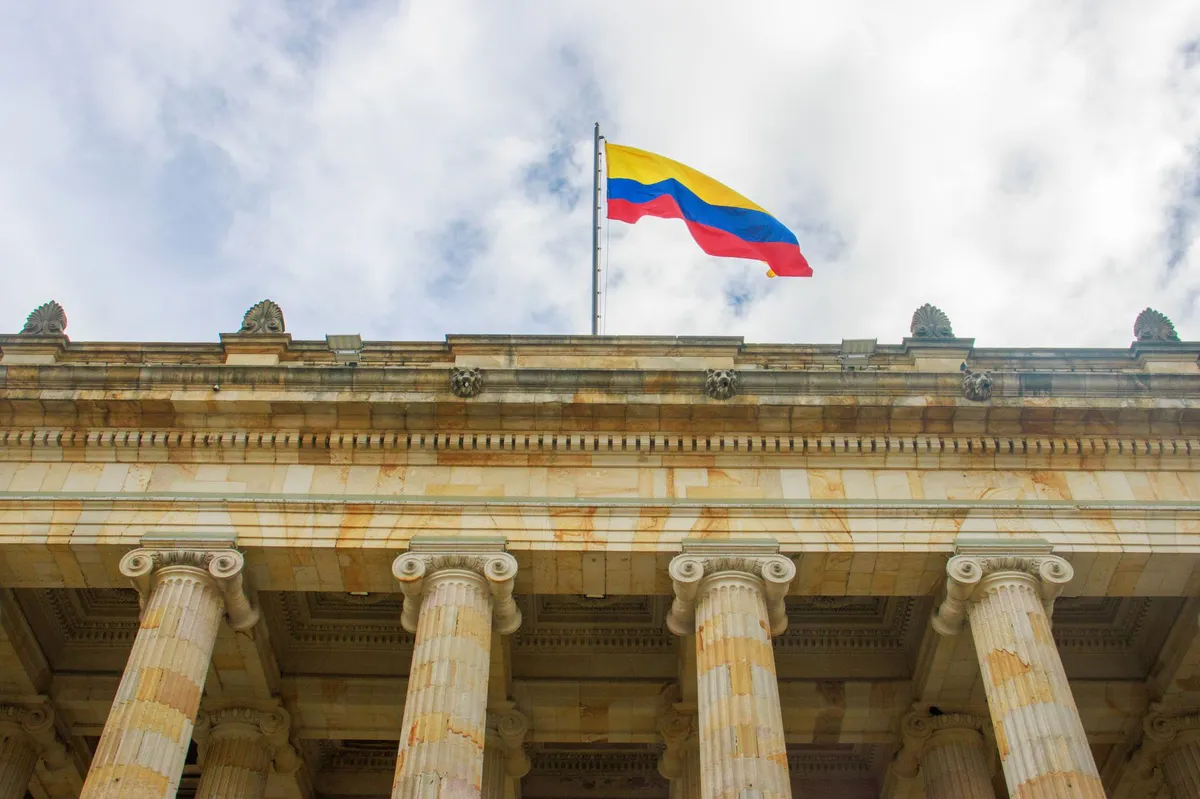
De la Espriella's Security Agenda
At 48 years old, De la Espriella has embraced a radical shift in policy, positioning himself as a champion of security over diplomacy. His campaign rhetoric emphasized a full-scale offensive against criminal organizations, pledging to dismantle negotiations with groups that continue to engage in illegal activities. He asserted, "Any criminal who does not submit to my government will be dissolved, as permitted by law," during a rally in Antioquia, a statement that underscored his aggressive posture towards armed groups.
As part of his administration's strategy, de la Espriella has proposed a comprehensive approach that includes:
- Reactivating arrest warrants for members of illegal armed groups.
- Strengthening the operational and intelligence capabilities of security forces.
- Intensifying efforts against drug trafficking and illegal mining.
These measures aim to cut off the financial lifeblood of insurgent groups, which de la Espriella argues contributes to the ongoing violence that has plagued Colombia for decades.
Concerns Over Human Rights Violations
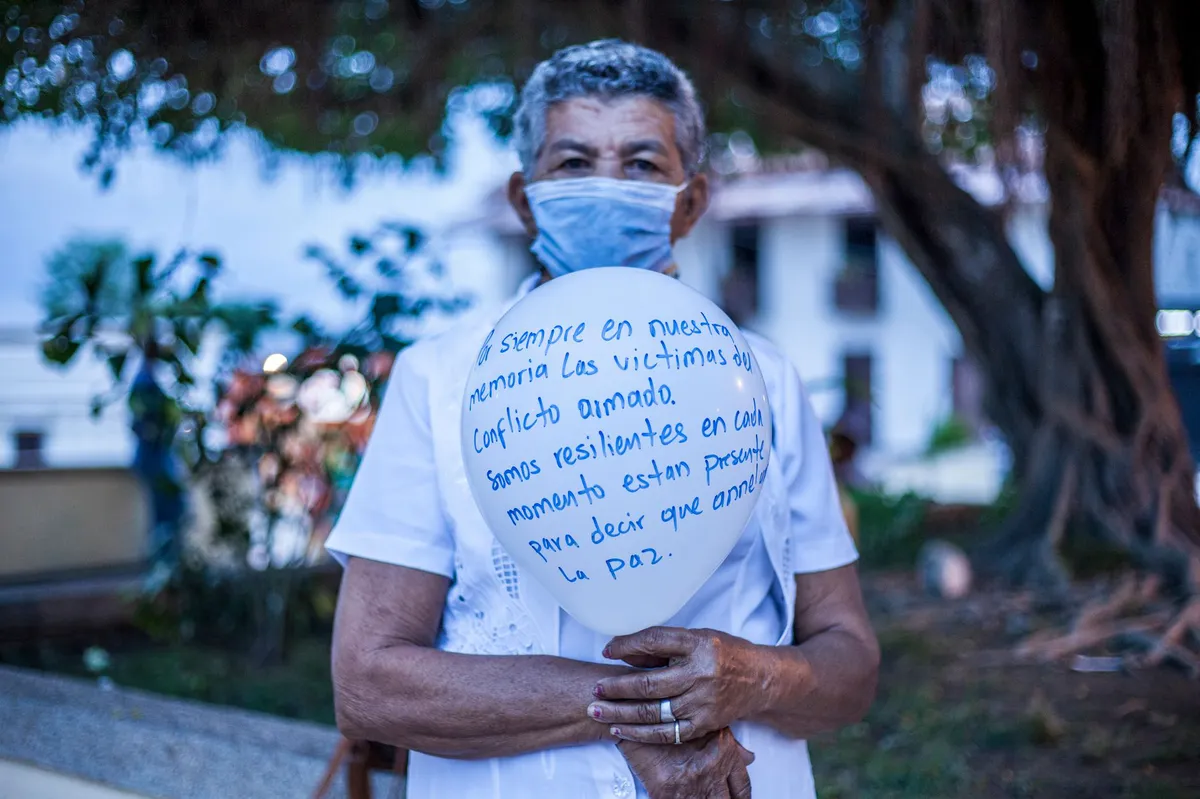
The potential for increased violence and human rights abuses looms large over de la Espriella's hardline approach. Critics, including conflict and human rights organizations, have expressed alarm that a return to militarized tactics could echo the past failures of security policies that led to widespread abuses. The legacy of former President Álvaro Uribe's Democratic Security policy, notorious for its “false positives” scandal—in which civilians were killed and falsely reported as combatants—casts a long shadow over current tactics.
Laura Bonilla, head of the Pares think-tank, cautioned that ending negotiation efforts could reignite dormant conflicts, exacerbating the already precarious security environment. The Crisis Group, which has monitored Colombia for over two decades, echoed these concerns, noting that while a more effective military strategy is needed, it must avoid the serious mistakes of the past that eroded public trust in the military.
The Shift in U.S. Foreign Policy
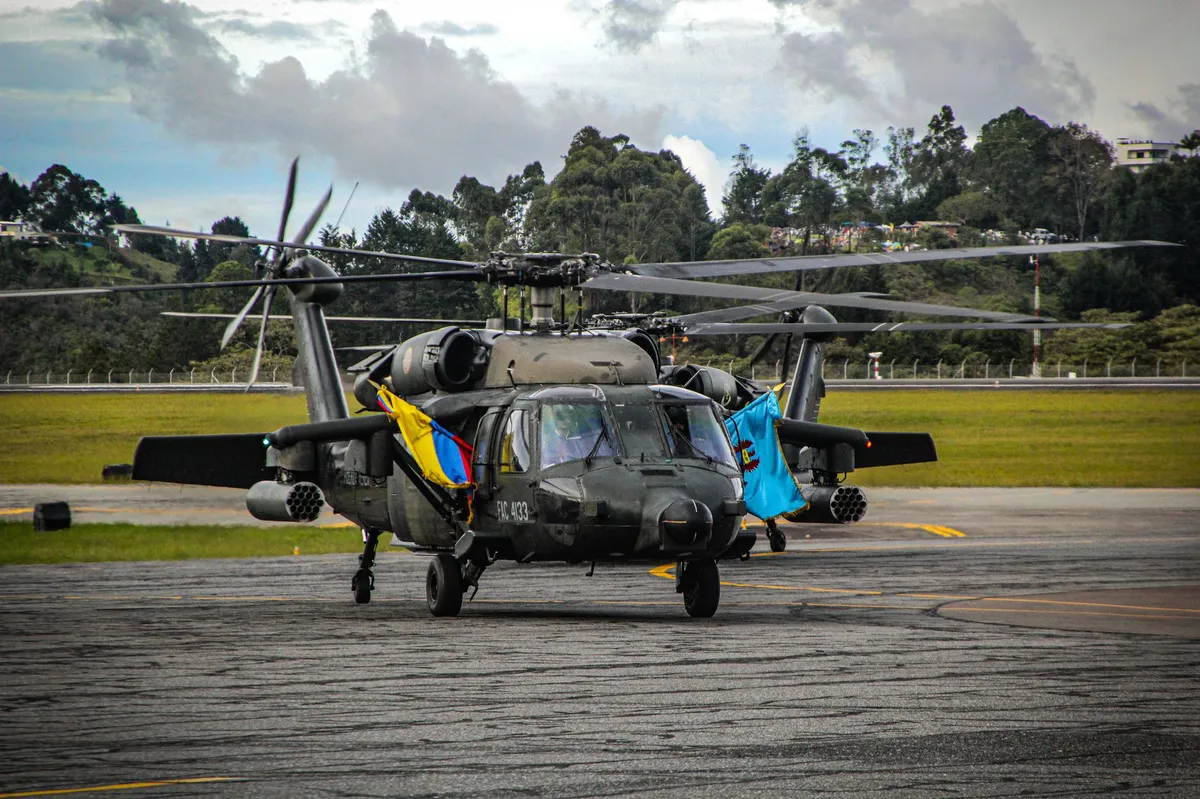
De la Espriella's inauguration occurs at a time of shifting U.S. foreign policy priorities. The Trump administration has designated Latin America, particularly Colombia, as critical to its regional strategy. De la Espriella's close ties to the U.S., including his citizenship, position him as a likely ally in the fight against drug trafficking. Medellín has even been named the headquarters for Trump's new regional anti-trafficking initiative, the Shield of the Americas, suggesting an uptick in military collaboration between the two nations.
Victor Aguilar Pereira from the Crisis Group anticipates that the relationship between the U.S. and Colombia will regain momentum, with de la Espriella's administration expected to prioritize militarization over peace negotiations. This shift could significantly impact the dynamics of security in the region, particularly as the Colombian government has faced U.S. sanctions and decertification as a counternarcotics partner under Petro.
International Reactions and Future Implications
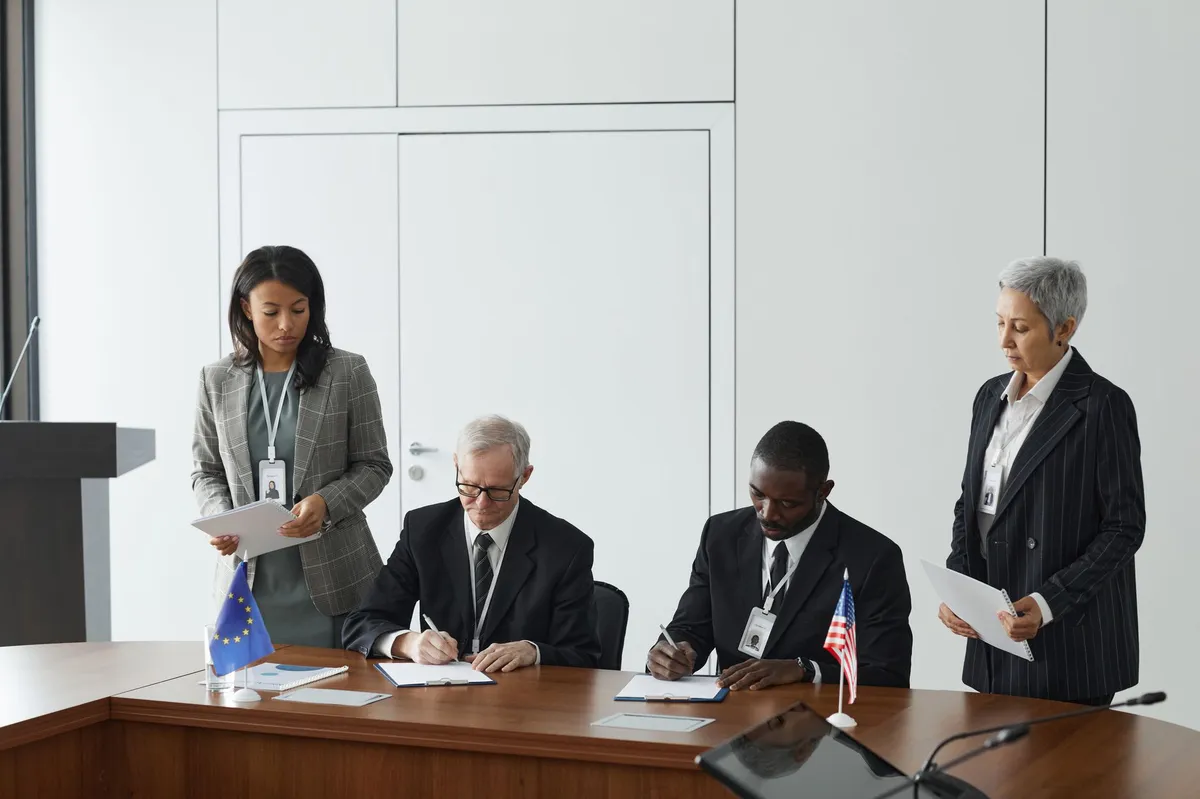
The international community has been closely watching Colombia's political transition. De la Espriella's inauguration was attended by various leaders, including Javier Milei from Argentina and Israel’s Foreign Minister Gideon Sa'ar, signaling potential alliances that may shape regional policies. The incoming administration's focus on security and militarization raises critical questions about the future of human rights in Colombia and the effectiveness of governance in addressing the root causes of conflict.
As de la Espriella implements his policies, the balance between maintaining public safety and safeguarding human rights will be closely scrutinized. The effectiveness of his administration's approach will ultimately depend on its ability to navigate the complex interplay of security needs and human rights considerations in a country still grappling with the wounds of decades of conflict.
Key Takeaways
- Abelardo de la Espriella's presidency marks a shift from peace talks to aggressive security measures.
- Concerns about potential human rights violations are rising amidst increased militarization.
- U.S. foreign policy is likely to align closely with de la Espriella's hardline approach.
Frequently Asked Questions
What are the implications of de la Espriella's election for peace negotiations in Colombia?
De la Espriella's election signals a potential end to the peace negotiations initiated under former President Gustavo Petro. His administration's focus on dismantling dialogue with armed groups raises concerns that this could lead to a resurgence of violence and conflict in regions previously engaged in negotiations, complicating the peace process further.
How might U.S. policy change under de la Espriella's administration?
With de la Espriella's close ties to the Trump administration, U.S. policy is expected to shift toward increased military collaboration and a renewed focus on counternarcotics. This could lead to a more militarized approach to security in Colombia, impacting how the U.S. engages with the Colombian government.
What are the risks of a militarized approach to security in Colombia?
A militarized approach risks repeating the mistakes of the past, where aggressive military tactics led to widespread human rights abuses and loss of civilian life. Critics warn that such strategies can undermine public trust in the government and exacerbate existing conflicts rather than resolve them.
Comments
Unraveling Georgia's Quirkiest Laws: A Deep Dive into the Peach State's Oddities
Georgia is home to a collection of bizarre laws that, while outdated, still exist on the books. This article explores some of these peculiar regulations and their historical context.

Related articles





Popular in Business Law
- Supreme Court Justices' Financial Disclosures: A Closer Look
- Vishal Garg's Leadership Fallout: The Rise and Fall of Better.com
- Former Intelligence Official Faces Penalty for Post-Government Misconduct
- Blank Rome Faces Lawsuit After Major Data Breach Exposes Personal Information
- Congress Faces Reckoning Over Member-Staff Relationships