Walmart Sued Over Alleged Voice Print Collection Practices
Walmart is under fire as a lawsuit claims the retailer unlawfully collected customers' voice prints without consent. This raises significant questions about privacy and data protection.

In a world increasingly driven by technology, the intersection of consumer rights and corporate practices is more critical than ever. Recently, Walmart, one of the largest retail giants in the world, has found itself at the center of a legal storm. A lawsuit claims that the company unlawfully collected customers' voice prints during interactions, raising serious questions about privacy, consent, and data protection in the retail space. This case not only puts Walmart under scrutiny but also highlights broader concerns about how companies handle sensitive biometric data.
As consumers engage with technology in their daily lives, the potential for privacy violations increases. The lawsuit against Walmart is a crucial reminder of the need for transparency and consumer protection in the age of information. Understanding the implications of this case requires a closer look at voice recognition technology, legal precedents, and the evolving landscape of consumer rights.
Understanding Voice Print Technology
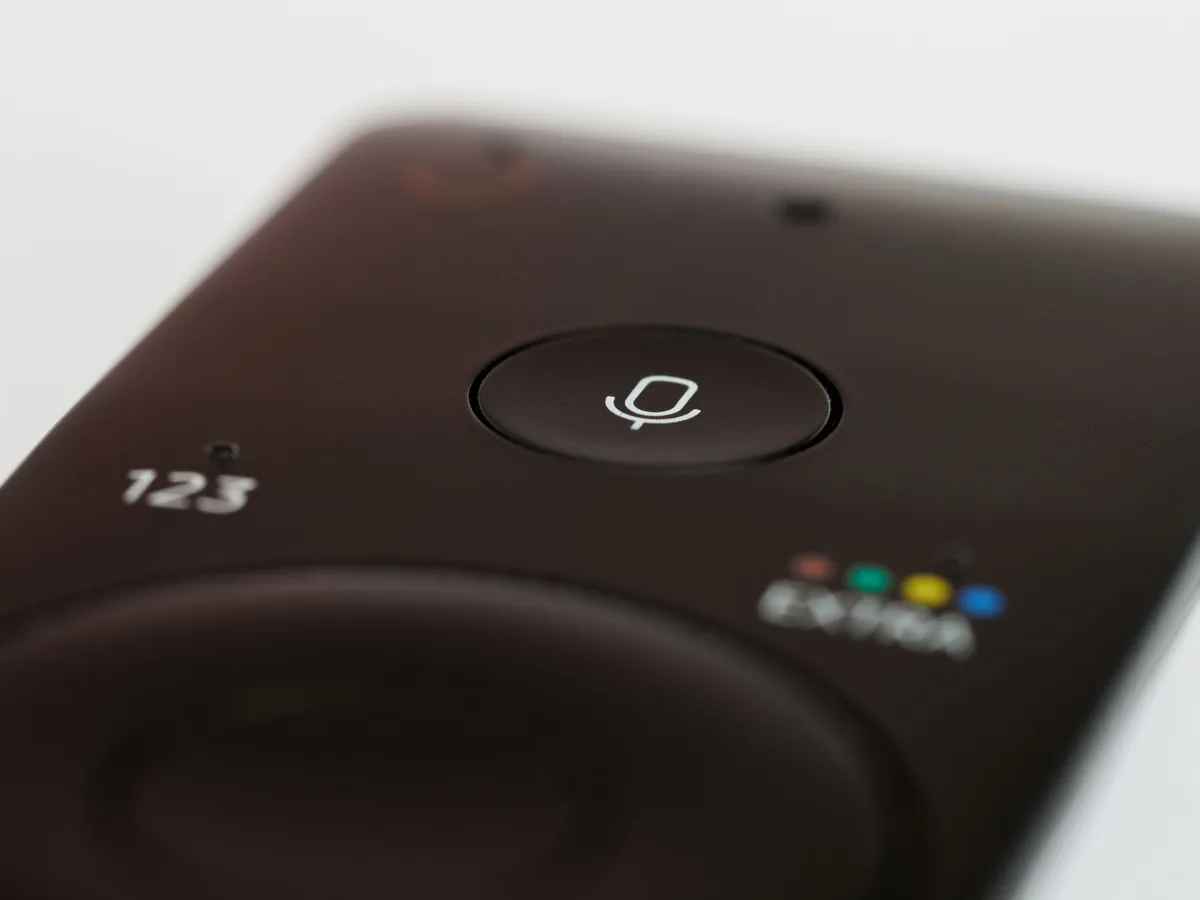
Voice print technology, also known as voice recognition, involves the analysis and identification of an individual's voice patterns. This technology is used in various applications, from personal assistants like Siri and Alexa to security systems. However, its use in retail settings raises unique ethical and legal issues.
How Voice Prints Work
Voice prints are created using algorithms that analyze vocal characteristics, such as pitch, tone, and accent. When a person speaks, these unique features are captured and converted into a digital signature, akin to a fingerprint. Retailers may use this technology to enhance customer service, streamline transactions, or personalize shopping experiences. However, the collection of voice prints without explicit consent can lead to significant breaches of privacy.
The Legal Landscape of Biometric Data
The legal framework surrounding biometric data, including voice prints, varies significantly across the United States. Some states, such as Illinois and California, have enacted strict laws governing the collection and use of biometric information. The Illinois Biometric Information Privacy Act (BIPA), for example, requires companies to obtain informed consent before collecting biometric data. Failure to comply can result in substantial penalties.
Key Legal Considerations
- Informed Consent: Companies must inform consumers about the data being collected and how it will be used.
- Data Security: Businesses are responsible for safeguarding the collected data against breaches.
- Right to Deletion: Consumers have the right to request deletion of their biometric data.
Given these legal frameworks, the lawsuit against Walmart could have significant implications for how retailers collect and manage biometric data. If the court finds that Walmart failed to obtain proper consent from customers, it may set a precedent for stricter enforcement of existing laws.

The Implications of the Lawsuit
The lawsuit against Walmart is not merely about the company's practices; it signifies a larger trend in consumer awareness regarding privacy rights. As consumers become more informed about how their data is used, they are more likely to seek accountability from corporations. This case could encourage further legal actions against companies that fail to prioritize consumer privacy.
Effects on Corporate Practices
If Walmart is found liable, it may lead to a reevaluation of data collection practices across the retail industry. Companies may be compelled to implement more robust consent mechanisms and enhance transparency regarding how and why they collect personal data. Moreover, a ruling favoring consumers could result in increased scrutiny from regulatory bodies, prompting a nationwide reassessment of biometric data legislation.
Consumer Rights and What You Can Do
As consumers, it is crucial to stay informed about your rights regarding personal data collection. Individuals should understand the types of information being collected by retailers and how it is used. Here are a few steps to take:
- Be Informed: Educate yourself about privacy laws in your state, especially regarding biometric data.
- Read Privacy Policies: Always read the privacy policies of retailers to understand their data collection practices.
- Voice Your Concerns: If you feel uncomfortable with how your data is being used, contact the retailer directly to express your concerns.
By being proactive, consumers can help shape the future of data privacy and hold companies accountable for their practices.
Key Takeaways
- The lawsuit against Walmart highlights serious concerns regarding the collection of biometric data without consent.
- Legal frameworks governing biometric data vary by state, with some offering stronger protections than others.
- Consumers are encouraged to educate themselves on their rights and be proactive in understanding data collection practices.
- A ruling in favor of consumers could lead to significant changes in corporate data collection practices across the retail sector.
Frequently Asked Questions
What is a voice print, and how is it used?
A voice print is a unique digital representation of an individual's voice, created through the analysis of vocal characteristics. It is used in various applications, including security systems and customer service, to identify and authenticate individuals based on their voice. However, its use in retail settings raises ethical concerns about privacy and consent.
What are the legal implications of collecting biometric data?
The legal implications of collecting biometric data, such as voice prints, depend on state laws. Some states have implemented strict regulations requiring informed consent from consumers before collecting such data. Failure to comply can result in significant legal penalties for companies, as seen in cases involving the Illinois Biometric Information Privacy Act.
How can consumers protect their privacy regarding data collection?
Consumers can protect their privacy by staying informed about relevant privacy laws, reading the privacy policies of companies, and actively voicing concerns about their data usage. Being proactive helps consumers safeguard their information and hold companies accountable for responsible data management.
What could be the outcome of the Walmart lawsuit?
The outcome of the Walmart lawsuit could set a significant precedent for how companies collect and manage biometric data. If the court rules in favor of the plaintiffs, Walmart may be required to change its data collection practices and could face financial penalties. This ruling could also inspire similar legal actions against other companies in the retail industry.
This content is general information and not legal advice.
Comments
Unraveling Georgia's Quirkiest Laws: A Deep Dive into the Peach State's Oddities
Georgia is home to a collection of bizarre laws that, while outdated, still exist on the books. This article explores some of these peculiar regulations and their historical context.

Related articles





Popular in Business Law
- Supreme Court Justices' Financial Disclosures: A Closer Look
- Vishal Garg's Leadership Fallout: The Rise and Fall of Better.com
- Former Intelligence Official Faces Penalty for Post-Government Misconduct
- Blank Rome Faces Lawsuit After Major Data Breach Exposes Personal Information
- Congress Faces Reckoning Over Member-Staff Relationships