IRS Union Joins Lawsuit Against Trump's Tax Audit Immunity Deal
The National Treasury Employees Union has entered a lawsuit challenging President Trump's proposed immunity from IRS audits. This unprecedented legal battle raises concerns about accountability and the integrity of the tax system.
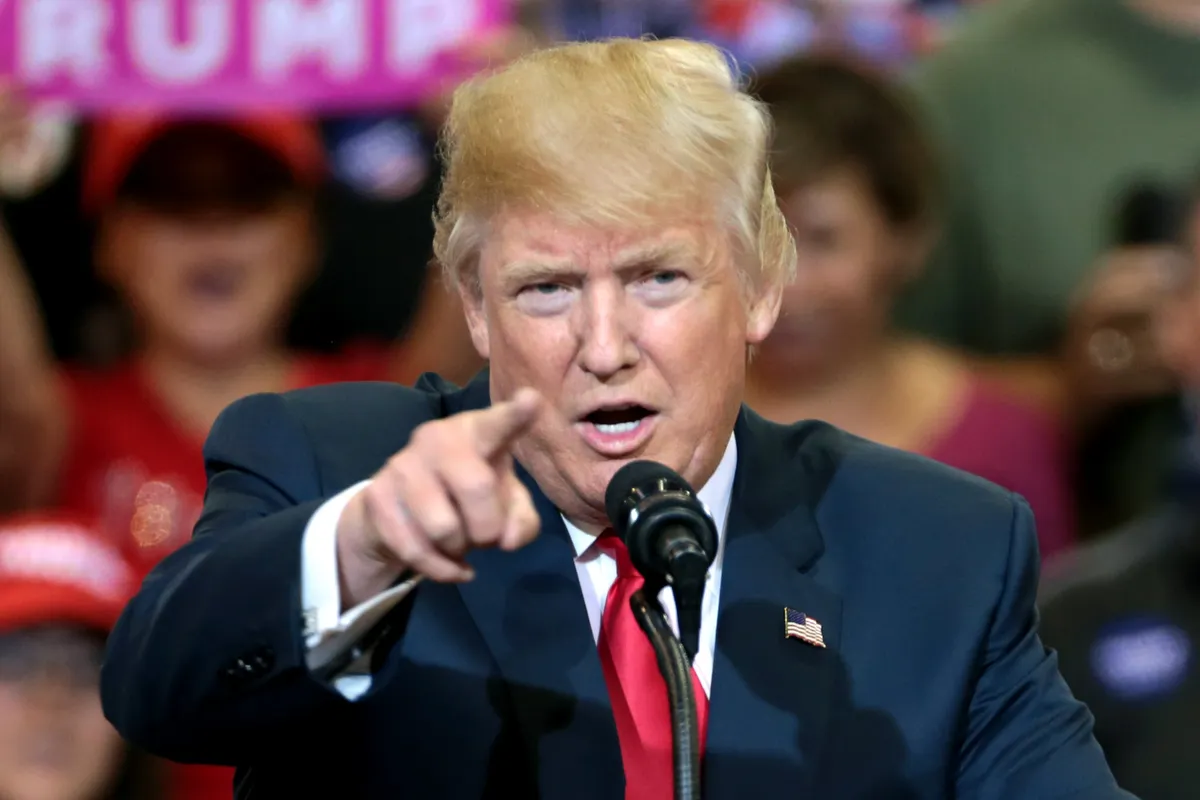
The ongoing legal battles surrounding former President Donald Trump continue to unfold with significant implications for tax law and government accountability. Recently, the National Treasury Employees Union (NTEU), representing career employees of the Internal Revenue Service (IRS), has brought its considerable weight into a lawsuit that challenges a controversial settlement between Trump and the IRS. This proposed agreement would grant Trump and his family a level of immunity from future tax audits that many experts argue is both unconstitutional and unprecedented.
At the heart of this lawsuit is a provision of the proposed settlement that seeks to create an "Anti-Weaponization" fund, allegedly designed to compensate individuals whom Trump and his allies feel were wronged by past administrations. This includes those convicted for their roles in the January 6th Capitol attack—a move that, according to critics, could provide taxpayer-funded benefits to individuals involved in violent acts against the government itself. As this situation develops, it raises critical questions about the integrity of the IRS, the rule of law, and the broader implications of political interference in tax policy.

The Basis of the Lawsuit
The lawsuit, initially filed by Democracy Forward, a nonprofit legal advocacy organization, argues that the audit immunity offered to Trump is not just an extraordinary exemption but a violation of fundamental legal principles that govern the IRS. The amended complaint highlights that career IRS employees would be compelled to cease ongoing audits of Trump and his businesses, effectively providing him with a financial advantage that is not available to the average American taxpayer.
Specifically, the lawsuit claims:
- The proposed audit immunity is an unlawful benefit that undermines the IRS's mission of impartial tax enforcement.
- The establishment of the “Anti-Weaponization” fund represents a misuse of taxpayer dollars.
- Such provisions could set a dangerous precedent by allowing political figures to evade accountability through legal loopholes.
Unprecedented Legal Ramifications
As noted by Skye Perryman, the president and CEO of Democracy Forward, the implications of allowing the president and his family to be exempt from IRS scrutiny are profound. This case is particularly significant because it represents a challenge to a potential abuse of power: if politicians can manipulate laws to shield themselves from legal consequences, it undermines the very foundation of accountability that is essential to democracy.
The Role of the NTEU
The National Treasury Employees Union's involvement adds a layer of complexity to the case. The NTEU argues that such a settlement not only threatens the integrity of IRS operations but also demoralizes the workforce. By joining the lawsuit, the union aims to protect its members from being forced into a position where they must compromise their professional responsibilities in favor of political interests.
The union's stance reflects broader concerns among federal employees about political interference in their work. IRS employees, like all federal workers, have a duty to uphold the law impartially, and any perceived favoritism can erode public trust in government institutions.

Implications for Taxpayer Rights
This legal battle raises critical questions about taxpayer rights and the fairness of the tax system. If the IRS can exempt certain individuals from audits based on their political connections, it sets a dangerous precedent that could erode the principle of equal treatment under the law. Taxpayers rely on the IRS to act without bias, and any deviation from this standard could lead to a significant loss of confidence in the system.
The Financial Stakes
The proposed settlement includes a staggering $1 billion for the creation of the Anti-Weaponization fund. Critics argue that this money could be better used to support public services or to bolster the IRS's ability to conduct audits effectively. Instead, the funds are positioned to potentially reward individuals involved in political violence, raising ethical questions about how taxpayer money should be allocated.
Political Context and Public Reaction
The lawsuit comes at a time of heightened political division in the United States, particularly regarding issues of accountability and justice. Public sentiment regarding Trump's administration and its dealings with the IRS is mixed, with many seeing this lawsuit as a necessary step to ensure that no one is above the law.
As the case progresses, it is likely to attract significant media attention, drawing in public opinion and potentially influencing future discussions about tax policy and political accountability. The outcome of this lawsuit could have lasting repercussions not only for Trump but also for how future administrations interact with federal regulatory agencies.

Key Takeaways
- The NTEU's involvement highlights concerns about IRS integrity and political interference.
- The proposed audit immunity raises constitutional questions regarding equal treatment under the law.
- Taxpayer dollars are at stake in the proposed $1 billion Anti-Weaponization fund.
- This lawsuit represents a critical test of accountability for public officials.
Frequently Asked Questions
What is the basis of the IRS union's lawsuit against Trump?
The basis of the lawsuit lies in the claim that the proposed settlement between Trump and the IRS, which provides audit immunity to Trump and his family, is unconstitutional and undermines the IRS's role in enforcing tax laws impartially. The National Treasury Employees Union argues that this immunity would compel IRS employees to cease ongoing audits, effectively granting Trump a lucrative and unlawful benefit.
What are the potential consequences of this lawsuit?
The potential consequences of this lawsuit could be wide-reaching. If the court sides with the plaintiffs, it could prevent the implementation of the audit immunity provision and reinforce the principle that no individual, regardless of political status, is above the law. Additionally, it may set a precedent for future cases involving political figures and their interactions with regulatory agencies.
How does this case affect public trust in the IRS?
The case has significant implications for public trust in the IRS as it raises concerns about political interference in tax enforcement. If the IRS is perceived as biased or manipulated for political gain, it could lead to a loss of confidence among taxpayers, who depend on the agency to uphold fair and equal tax practices.
What should taxpayers know about their rights concerning IRS audits?
Taxpayers have the right to expect fair treatment from the IRS, including the assurance that their audits will be conducted impartially. If political figures receive preferential treatment, it undermines the legal framework designed to protect taxpayer rights. Taxpayers should remain informed about their rights and advocate for transparency and accountability in tax administration.
Disclaimer: This content is general information, not legal advice.
Comments
Unraveling Georgia's Quirkiest Laws: A Deep Dive into the Peach State's Oddities
Georgia is home to a collection of bizarre laws that, while outdated, still exist on the books. This article explores some of these peculiar regulations and their historical context.

Related articles






Popular in Business Law
- Supreme Court Justices' Financial Disclosures: A Closer Look
- Vishal Garg's Leadership Fallout: The Rise and Fall of Better.com
- Former Intelligence Official Faces Penalty for Post-Government Misconduct
- Blank Rome Faces Lawsuit After Major Data Breach Exposes Personal Information
- John Oliver vs. Buc-ee's: A Legal Showdown Over Mascots