California's New Law on Social Media Feeds for Minors Faces Legal Challenges
A recent ruling has upheld California's law prohibiting personalized feeds for minors, despite challenges from major social media companies. This article delves into the implications of this ruling and what it means for the future of social media regulation.

In a significant legal development, a federal judge has ruled against major social media platforms, including Meta, Google, and TikTok, in their attempt to block California's groundbreaking Protecting Our Kids from Social Media Addiction Act. This law, which aims to prevent minors from being exposed to personalized and potentially addictive content, marks a pivotal moment in the ongoing debate over the responsibilities of social media companies in safeguarding young users.
On Thursday, U.S. District Judge Edward Davila, appointed by former President Barack Obama, denied a request for a preliminary injunction that would have halted the enforcement of the law's provisions. The ruling underscores a crucial judicial stance on the intersection of technology and child welfare, as the court evaluates the implications of algorithm-driven content curation on minors.
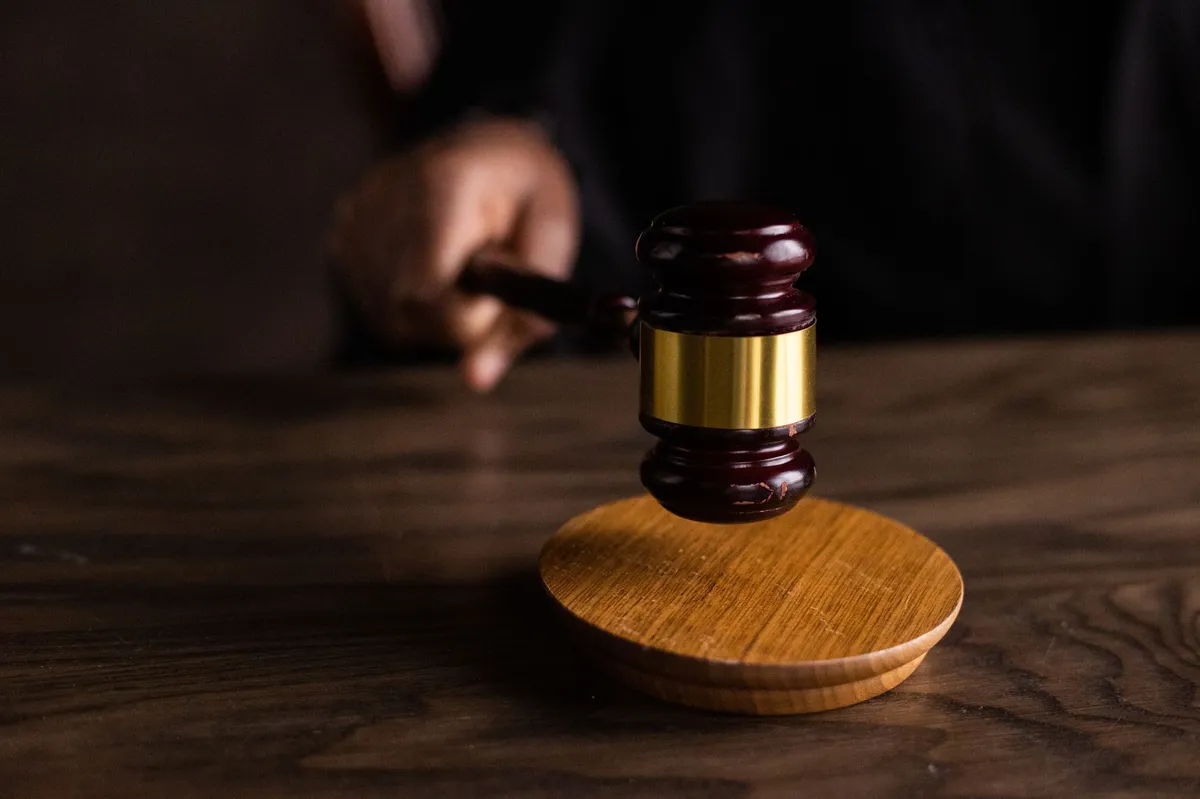
Understanding the Legal Context
The California law prohibits social media platforms from sending personalized feeds to users under the age of 18. This legislation arises from growing concerns about the impact of social media on mental health, particularly among children and teenagers. The law's supporters argue that personalized feeds, which are tailored based on a user’s past interactions, can lead to addictive behaviors and exposure to harmful content.
Judge Davila's ruling emphasized that the social media companies' argument, which hinged on First Amendment protections, was unlikely to succeed. He noted that the personalized feeds generated by algorithms do not constitute “expressive” content but are rather reflections of user data processed to enhance engagement. This distinction is essential as it potentially delineates the types of protections afforded to algorithmic content curation versus traditional forms of expression.

Key Concerns About Algorithmic Recommendations
During the proceedings, crucial concerns were raised regarding the role of artificial intelligence in shaping online experiences for minors. Attorneys for the social media giants argued that restricting content recommendations interferes with their ability to provide age-appropriate, engaging material to young users. They suggested that algorithms serve a vital function in moderating content, allowing platforms to cater to the interests of their diverse user base.
However, Judge Davila expressed skepticism about the algorithms' ability to curate safe and appropriate content for minors. His concerns were echoed by California Deputy Attorney General Shiwon Choe, who highlighted the dangers posed by algorithmic recommendations that operate without human oversight. One particularly chilling example cited was that of a young girl who reportedly choked herself while participating in a dangerous trend propagated through algorithmic feeds, demonstrating the potential risks associated with unregulated content.
- Risk of Harm: Algorithms can inadvertently promote harmful trends and challenges.
- Lack of Oversight: Automated recommendations operate without human understanding or intervention.
- Engagement Over Safety: Algorithms prioritize user engagement, often at the expense of user safety.
The Wider Implications of the Ruling
The ruling has broader implications for the future of social media regulation in the United States. As states grapple with the challenges posed by digital platforms, California's Protecting Our Kids from Social Media Addiction Act may set a precedent for similar legislative efforts across the country. The outcome of this legal battle could influence how other states approach the regulation of social media, particularly concerning minors.
Additionally, the ruling brings to light the tension between technological innovation and regulatory oversight. Social media platforms have argued that they require the flexibility to operate their algorithms to provide personalized experiences. However, as public concern over the mental health impacts of social media grows, lawmakers may feel compelled to take stronger stances against potential harms.

Responses from the Social Media Giants
In response to the ruling, representatives from the affected social media platforms have remained largely silent, with no immediate comments issued. Historically, these companies have pushed back against regulations that they perceive as overreaching, arguing that they stifle innovation and free expression. At a June hearing, attorneys for the platforms asserted that such restrictions would impose unconstitutional burdens on their operations.
Legal experts speculate that the platforms may explore alternative avenues, including potential appeals or negotiations with California lawmakers to create less restrictive measures. Proposals have been floated that include enhancing parental controls or implementing user-friendly modifications rather than outright bans on personalized feeds.
The Legal Landscape Ahead
The legal battle over California's new law is not occurring in a vacuum. It follows a trend of increased scrutiny of social media companies, with various states looking to impose regulations aimed at protecting minors. The recent Supreme Court ruling in Moody v. NetChoice LLC, which affirmed the First Amendment protections for online platforms' content moderation decisions, may influence the legal strategies employed by social media companies in this case.
NetChoice, an internet trade association representing several social media companies, had previously attempted to challenge California’s law but was thwarted by the Ninth Circuit, which found that it lacked associational standing. This legal context illustrates the complex web of challenges that companies face when navigating state-level regulations.
Key Takeaways
- The California law aims to protect minors from personalized and potentially addictive social media feeds.
- Judge Davila's ruling emphasizes that algorithmic content curation is not protected under the First Amendment.
- The outcome may set a precedent for future social media regulations across the U.S.
- Social media companies may seek alternative solutions to comply with the law rather than pursuing litigation.
Frequently Asked Questions
What is the Protecting Our Kids from Social Media Addiction Act?
The Protecting Our Kids from Social Media Addiction Act is a California law that prohibits social media platforms from delivering personalized content feeds to users who are minors. The law aims to mitigate the risk of addictive behaviors and exposure to harmful content that can arise from algorithm-driven recommendations.
What were the social media companies' main arguments against the law?
Social media companies argued that the law infringed upon their First Amendment rights by regulating their ability to moderate and recommend content. They contended that personalized feeds are essential for engaging users and ensuring that minors receive age-appropriate content. They also warned that such restrictions could stifle innovation and limit user experience.
How does this ruling impact future social media regulations?
This ruling may serve as a critical precedent for future legislation aimed at regulating social media platforms, especially regarding the protection of minors. If upheld, it could embolden other states to pursue similar laws, fundamentally altering how social media companies operate in terms of content curation and user engagement.
What are the potential consequences for social media companies?
If the law is enforced, social media companies may need to significantly alter their content recommendation algorithms and implement stricter controls over the type of content displayed to minors. Failure to comply could result in legal repercussions, including fines or other penalties. Additionally, the ruling could lead to more public scrutiny regarding the ethical implications of how social media platforms engage with younger users.
This content is general information, not legal advice.
Comments
Navigating Business Licenses: Essential for Your New LLC
Starting an LLC is just the beginning; understanding and obtaining the necessary business licenses is crucial for legal operation. This guide breaks down what you need to know about business licenses and their importance for LLCs.

Related articles



Popular in Business Law
- Supreme Court Justices' Financial Disclosures: A Closer Look
- Vishal Garg's Leadership Fallout: The Rise and Fall of Better.com
- Former Intelligence Official Faces Penalty for Post-Government Misconduct
- Blank Rome Faces Lawsuit After Major Data Breach Exposes Personal Information
- Congress Faces Reckoning Over Member-Staff Relationships