The Death Penalty in America: A Divided Nation's Perspective
A recent Pew Research study reveals that two-thirds of Americans support the death penalty for murderers, despite concerns over its effectiveness and the potential for wrongful convictions. This article explores the complexities of public opinion on capital punishment and the political and moral divides that influence these views.

The death penalty remains one of the most contentious issues in American society, with opinions sharply divided along political, moral, and racial lines. According to a recent study by Pew Research, approximately two-thirds of Americans, or 66%, express support for capital punishment for those convicted of murder. This statistic underscores a persistent belief in retributive justice, encapsulated in the age-old principle of 'an eye for an eye.' However, a significant minority, approximately 32%, stands firmly against the death penalty, echoing the sentiments of figures like Mahatma Gandhi, who cautioned that such retribution could lead to a cycle of violence.
The debate surrounding capital punishment is further complicated by the political landscape in the United States. Under President Joe Biden, a moratorium on the federal death penalty was established in 2021, reflecting a broader trend towards reevaluation of capital punishment. In stark contrast, the Trump administration sought to expand its application, lifting the moratorium shortly after he assumed office. This shifting policy environment reveals how political leadership can directly influence public sentiment and the legal landscape surrounding the death penalty.
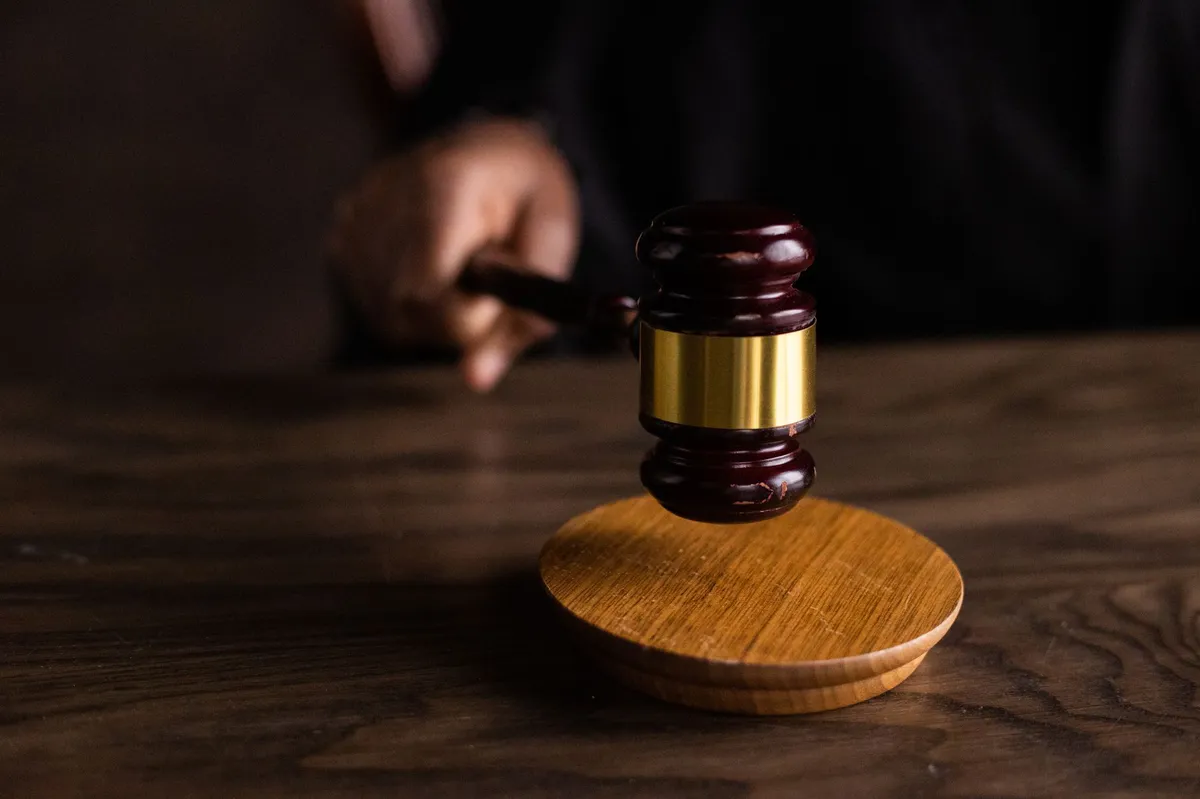
Public Opinion: A Dual Perspective
While the majority of Americans support the death penalty, there is a notable ambivalence regarding its efficacy and ethical implications. According to the Pew survey, 60% of respondents expressed skepticism about whether capital punishment effectively deters crime, and an alarming 73% acknowledged the risk of executing innocent people. This duality in public opinion reveals an inherent conflict: many support the death penalty as a form of justice, yet simultaneously harbor doubts about its overall impact on crime reduction and the integrity of the justice system.
The Deterrent Effect
Despite widespread support for the death penalty, the belief that it serves as a deterrent to serious crime is far from universal. Only 39% of respondents in the Pew study believe that capital punishment discourages criminal behavior. This skepticism is particularly pronounced among Democrats, with only a quarter believing in its deterrent effect compared to half of their Republican counterparts. This significant divide raises questions about the underlying motivations for supporting or opposing the death penalty, suggesting that partisan alignment may play a crucial role in shaping individual perspectives.
The Risk of Wrongful Convictions
The concern over wrongful executions looms large in the death penalty debate. A staggering 73% of Americans acknowledge the possibility of innocent individuals being sentenced to death, which likely contributes to the hesitance among some groups to fully endorse capital punishment. The Pew survey indicates that only 25% of Americans believe there are adequate safeguards in place to prevent wrongful convictions, highlighting a critical area for reform within the justice system. The potential for irreversible mistakes amplifies the ethical dilemmas surrounding capital punishment, compelling advocates and opponents alike to reconsider their positions.

The Political Divide
The divide over the death penalty is starkly evident along partisan lines. According to the Pew study, a substantial 84% of Republicans support capital punishment, whereas Democrats are nearly evenly split, with 51% in favor and 48% opposed. This partisan divide extends beyond mere support; it reflects deeper ideological beliefs about justice, morality, and the role of government in administering punishment. For instance, only half of Democrats view the death penalty as morally justifiable, contrasting sharply with 85% of Republicans who share that view.
Racial Dynamics and Perceptions of Justice
The Pew research also reveals a significant racial dimension to the death penalty debate. A majority of Republicans, 77%, believe the justice system treats all individuals equally, regardless of race. In contrast, only 23% of Democrats agree with this assertion, underscoring a profound racial divide in perceptions of fairness within the judicial system. This disparity is further highlighted by data from the Death Penalty Information Center, indicating that 41% of death row inmates are white while 40% are Black, raising critical questions about systemic biases and the equitable application of capital punishment.

Trends in Support for the Death Penalty
Public support for the death penalty has fluctuated over time, reflecting broader societal changes and shifting attitudes towards crime and punishment. Between 2020 and 2021, support dipped from 65% to 60%, before rebounding to the current level of 66%. This fluctuation may be indicative of changing public sentiments in response to high-profile cases, evolving legal standards, and increased awareness of wrongful convictions. As debates surrounding criminal justice reform continue to gain momentum, the future of capital punishment remains uncertain.
Key Takeaways
- 66% of Americans support the death penalty for murderers, despite significant concerns about its effectiveness and moral implications.
- Only 25% believe there are sufficient safeguards against wrongful convictions, highlighting a critical area for reform.
- The death penalty is supported by 84% of Republicans compared to just 51% of Democrats, reflecting sharp partisan divides.
- A majority of Americans, 60%, doubt the death penalty's deterrent effect on crime.
- Racial perceptions significantly influence views on capital punishment, with 77% of Republicans believing in equal treatment under the law, compared to only 23% of Democrats.
Frequently Asked Questions
What are the main arguments for and against the death penalty?
Proponents of the death penalty argue that it serves as a necessary deterrent against serious crimes and provides a sense of justice and closure for victims' families. They believe that certain crimes are so heinous that capital punishment is warranted. Conversely, opponents argue that it does not effectively deter crime, poses an unacceptable risk of wrongful executions, and raises profound moral questions about the state's role in taking life. Additionally, many highlight the racial and economic disparities present in death penalty cases, suggesting that the system is inherently flawed.
How does support for the death penalty vary by demographic factors?
Support for the death penalty is influenced by various demographic factors, including political affiliation, race, and religious beliefs. For instance, Republicans tend to show higher levels of support compared to Democrats. Racial dynamics also play a critical role, with significant differences in perceptions of the justice system’s fairness across racial lines. Additionally, religious beliefs often influence individuals' views on capital punishment, with some religious groups opposing it on moral grounds while others support it as a form of divine justice.
What has been the trend in the implementation of the death penalty in recent years?
In recent years, the implementation of the death penalty has seen a decline in federal executions, particularly during the Biden administration, which imposed a moratorium on capital punishment. However, state executions continue, with a notable 47 individuals executed in the past year. This trend reflects a complex interplay of political leadership, public opinion, and ongoing debates about the efficacy and morality of capital punishment.
What reforms are being proposed to address concerns about the death penalty?
Proposed reforms aim to enhance the fairness and integrity of the death penalty process. These include implementing more rigorous standards for evidence, increasing access to legal representation for defendants, establishing independent review boards to oversee death penalty cases, and enhancing transparency in the judicial process. Some advocates suggest abolishing the death penalty altogether, while others call for a moratorium until comprehensive reforms are enacted to address systemic biases and the risk of wrongful convictions.
This article is intended for informational purposes only and does not constitute legal advice.
Comments
Navigating Business Licenses: Essential for Your New LLC
Starting an LLC is just the beginning; understanding and obtaining the necessary business licenses is crucial for legal operation. This guide breaks down what you need to know about business licenses and their importance for LLCs.

Related articles



Popular in Business Law
- Supreme Court Justices' Financial Disclosures: A Closer Look
- Vishal Garg's Leadership Fallout: The Rise and Fall of Better.com
- Former Intelligence Official Faces Penalty for Post-Government Misconduct
- Blank Rome Faces Lawsuit After Major Data Breach Exposes Personal Information
- Congress Faces Reckoning Over Member-Staff Relationships