Trump's New Executive Orders Challenge Birthright Citizenship
President Trump has signed executive orders aimed at redefining birthright citizenship, following the Supreme Court's rejection of his previous attempts. The orders could spark legal battles, raising questions about constitutional rights and immigration.
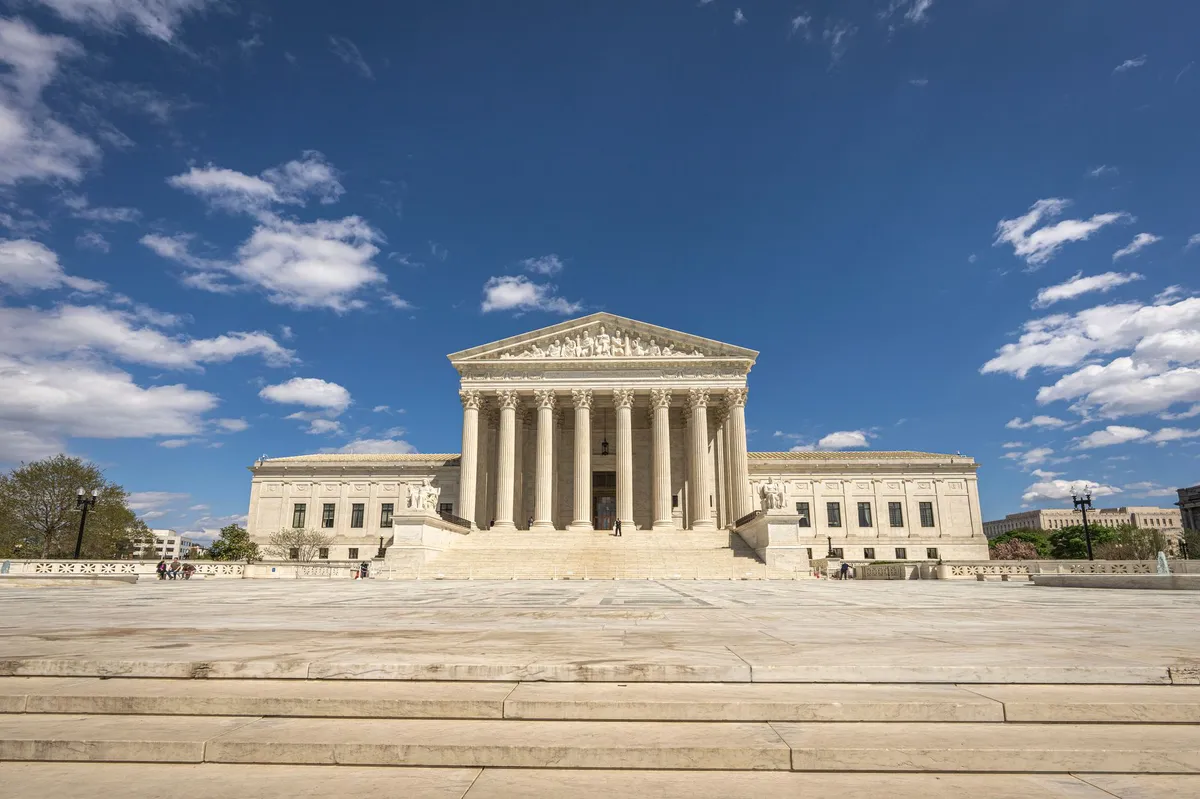
In a bold move that challenges established legal precedents, President Donald Trump has signed two new executive orders aimed at redefining the parameters of birthright citizenship in the United States. This comes on the heels of the Supreme Court's recent rejection of his plans to limit citizenship rights for children born to undocumented immigrants and those involved in what is termed 'birth tourism.' By attempting to bypass the Supreme Court’s ruling, Trump is stirring a contentious debate that touches on the very foundations of American citizenship as enshrined in the 14th Amendment.
During a press conference, Trump voiced his disappointment over the Supreme Court’s 5-4 ruling, which he described as a “very unfortunate decision.” He argued that the interpretation of the 14th Amendment, which guarantees citizenship to anyone born on U.S. soil, was intended primarily for the children of former slaves, and not for those born to parents without legal status. This interpretation strays significantly from the Court's historical stance on citizenship, which has long upheld the notion that anyone born in the U.S. is a citizen, regardless of their parents' immigration status.
The Supreme Court's Stance on Birthright Citizenship
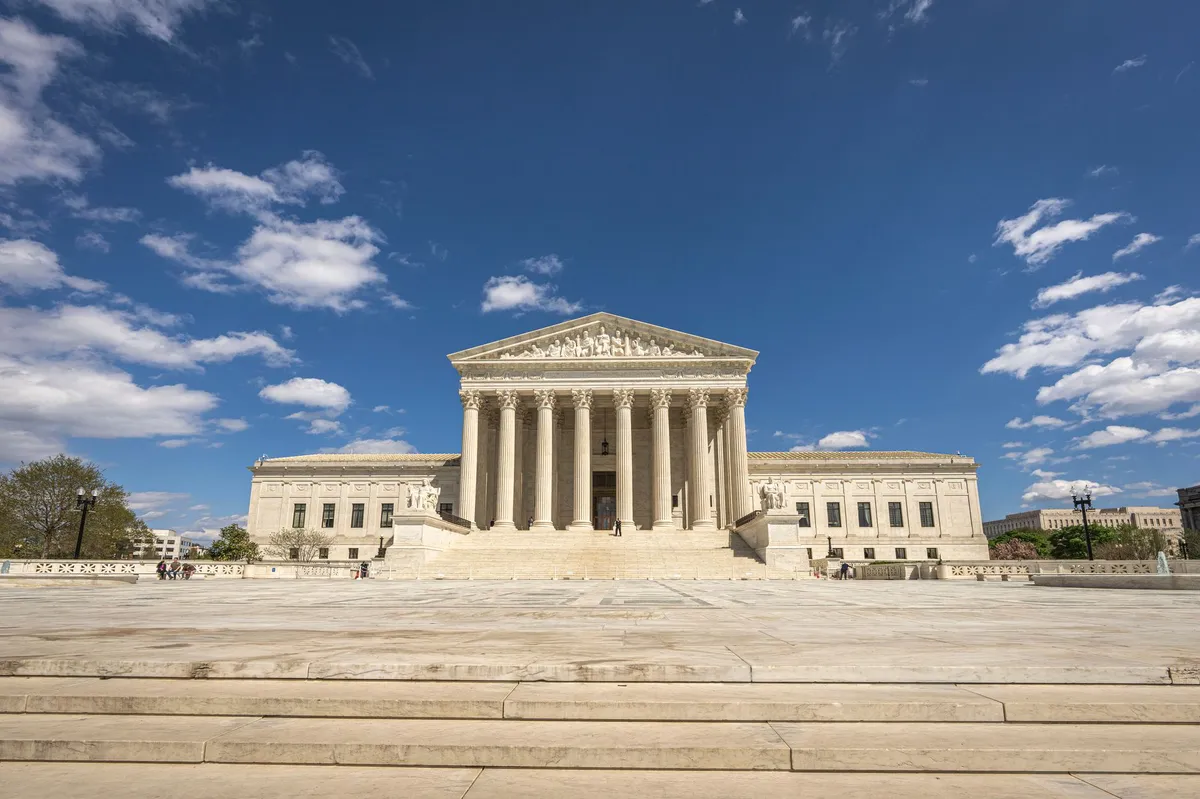
The Supreme Court's ruling was rooted in a long-standing legal precedent established in the landmark case of United States v. Wong Kim Ark (1898). This case affirmed that children born in the United States to foreign parents are entitled to citizenship, barring specific exceptions such as children of diplomats. Chief Justice John Roberts emphasized in the Court's majority opinion that the Constitution clearly defines birthright citizenship, stating, "Every free-born person in this land" is entitled to this right, effectively countering Trump’s narrative.
In the wake of this ruling, Trump’s aides, including White House adviser Stephen Miller, have asserted that the administration will redefine eligibility for birthright citizenship through these new executive actions. They aim to combat what they describe as 'birth tourism,' the practice of traveling to the U.S. to give birth in order to secure citizenship for the child. Miller's claim that such actions would be considered fraudulent misrepresentation raises significant questions about the enforcement and legality of these measures.
The New Executive Orders: Key Provisions
Trump's new executive orders seek to expand the definition of individuals ineligible for birthright citizenship. While the specific details of these orders have not been fully disclosed, several key components have been outlined:
- Expansion of Ineligibility: The orders aim to categorize more individuals as ineligible for birthright citizenship, focusing on those in the U.S. without legal status.
- Combatting Birth Tourism: Individuals visiting the U.S. under the pretense of tourism but intending to give birth would face visa denials.
- Law Enforcement Measures: The administration plans to implement law enforcement strategies to monitor and enforce these regulations.
Despite the White House's claims that these executive orders comply with the Supreme Court's ruling, legal experts predict they will face significant challenges in the courts. Organizations like the American Civil Liberties Union (ACLU) have voiced strong opposition, arguing that any executive order attempting to alter the constitutional guarantee of birthright citizenship will ultimately be deemed unconstitutional.
Legal Challenges on the Horizon
The legal landscape surrounding birthright citizenship remains fraught with tension. The ACLU, which previously succeeded in challenging Trump's first executive order aimed at limiting citizenship, has already indicated that it will contest these new measures. Cody Wofsy, deputy director of the ACLU’s Immigrants’ Rights Project, stated, “No additional executive order can change the meaning of the Constitution. Any executive order that tries to rewrite birthright citizenship will meet the same fate as the last one.”
This sentiment reflects a broader concern that the new orders may violate constitutional protections. Legal experts point out that any changes to the citizenship clause would likely require a constitutional amendment, a daunting task that is politically and legally complex. Furthermore, the Supreme Court's previous rulings have consistently upheld the principle that children born in the U.S. are citizens, regardless of their parents' immigration status.
Political Context and Implications
The timing of these executive orders is significant, coinciding with the approaching 2020 presidential election. By reigniting the debate over immigration and citizenship, Trump appears to be attempting to galvanize his base and reaffirm his commitment to strict immigration policies. The potential backlash from these actions, however, could alienate moderate voters who view the defense of birthright citizenship as a fundamental American value.
Moreover, the implications of these orders extend beyond the political sphere. They raise critical questions about the future of immigration policy in the U.S., the rights of individuals born in the country, and the broader definition of citizenship. As legal battles loomed on the horizon, the outcomes could set important precedents that shape the interpretation of the 14th Amendment for years to come.
Conclusion: The Road Ahead
In conclusion, President Trump's latest executive orders represent a significant attempt to redefine birthright citizenship, a cornerstone of American identity. As these orders face inevitable legal challenges, the discussions they provoke will likely resonate through the courts and society at large. The ultimate fate of these measures will not only affect thousands of families but could also redefine what it means to be an American citizen in the 21st century.
Key Takeaways
- Executive Orders Signed: Trump has signed two orders aimed at redefining birthright citizenship.
- Legal Challenges Expected: The ACLU and other organizations are poised to contest these measures legally.
- Political Ramifications: These actions may have significant consequences in the lead-up to the 2020 presidential election.
- Constitutional Debate: The orders raise fundamental questions about the interpretation of the 14th Amendment and citizenship rights.
Frequently Asked Questions
What does birthright citizenship mean?
Birthright citizenship is a legal right granted to individuals born within the territory of a country. In the United States, the 14th Amendment of the Constitution guarantees citizenship to anyone born on U.S. soil, regardless of their parents' immigration status. This principle has been upheld by the Supreme Court in various rulings, establishing a clear legal precedent.
How might these executive orders affect immigration policy?
The new executive orders could lead to stricter immigration enforcement, particularly concerning individuals traveling to the U.S. for the purpose of giving birth. By redefining who is eligible for birthright citizenship, the orders may create barriers for certain immigrant populations and alter the landscape of immigration policy for families considering childbirth in the U.S.
What are the potential legal outcomes of these orders?
Legal experts believe that the executive orders will face significant hurdles in the courts. Given the Supreme Court's previous rulings affirming birthright citizenship, any attempt to alter this fundamental right through executive action is likely to be challenged and could be deemed unconstitutional. The outcomes of these legal battles may set important precedents affecting citizenship rights in the U.S.
Can Trump legally redefine birthright citizenship?
While the President has significant executive power, altering the legal definition of birthright citizenship is a complex issue. Many legal scholars argue that such changes would require a constitutional amendment rather than an executive order. Therefore, while Trump can issue these orders, their legal validity and enforceability may be challenged in court.
This article is for informational purposes only and should not be considered legal advice.
Comments
Navigating Business Licenses: Essential for Your New LLC
Starting an LLC is just the beginning; understanding and obtaining the necessary business licenses is crucial for legal operation. This guide breaks down what you need to know about business licenses and their importance for LLCs.

Related articles




Popular in Business Law
- Supreme Court Justices' Financial Disclosures: A Closer Look
- Vishal Garg's Leadership Fallout: The Rise and Fall of Better.com
- Former Intelligence Official Faces Penalty for Post-Government Misconduct
- Blank Rome Faces Lawsuit After Major Data Breach Exposes Personal Information
- Congress Faces Reckoning Over Member-Staff Relationships