Spain Fortifies Ceuta Border Following Deadly Migrant Crisis
Spain is erecting a new containment barrier in Ceuta after a tragic surge of migrants led to 67 deaths. The incident has sparked international debate and raised questions about EU migration policy.
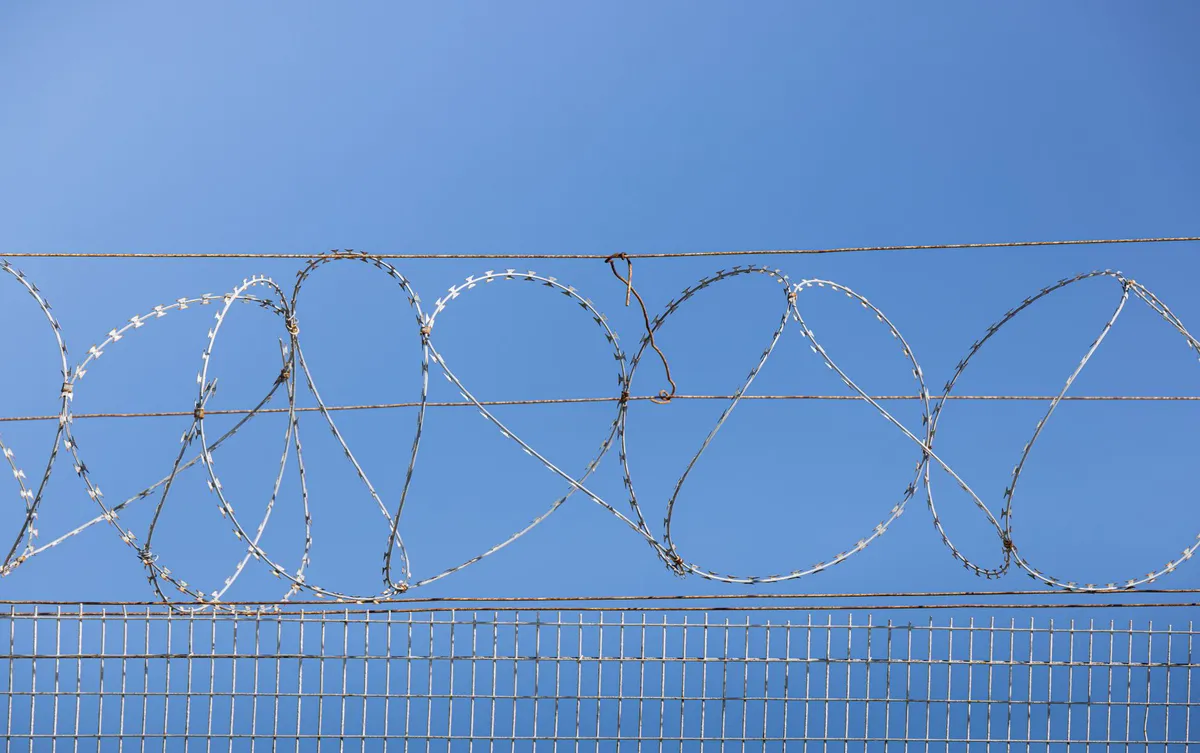
The recent surge of migrants attempting to cross the border from Morocco into Spain's North African enclave of Ceuta has escalated into a humanitarian crisis, resulting in a tragic loss of life. In response to this unprecedented event, Spanish authorities announced plans to erect a 500-meter-long (approximately 1,600 feet) containment barrier along the sea border. This decision comes after a shocking breach of the border by between 50,000 and 60,000 migrants, which tragically culminated in the deaths of at least 67 individuals, many of whom drowned or were crushed in the chaos.
Spanish Prime Minister Pedro Sánchez has condemned the reactions from some European Union (EU) leaders, who have suggested that Spain should be suspended from the Schengen Area—a zone allowing passport-free travel across many European countries. Sánchez labeled these calls as driven by prejudice and political interests rather than a genuine concern for humanitarian issues. The situation has not only exposed the vulnerabilities in Spain's border security but has also ignited a broader conversation about migration policy within the EU.
Critical Events Leading to the Crisis
The chaos at the Ceuta border can be traced back to a combination of factors, including socio-economic conditions in Morocco and larger geopolitical dynamics affecting migration across the Mediterranean. Ceuta, a Spanish exclave bordered by Morocco, has become a focal point for migrants from Africa seeking better opportunities in Europe. The allure of crossing into Spain, often seen as a gateway to the EU, has fueled desperate attempts, sometimes resulting in catastrophic outcomes.
The recent influx of migrants was marked by desperation, with many individuals risking their lives in overcrowded boats and perilous swims across the strait. The tragic events unfolded when thousands attempted to breach the border simultaneously, overwhelming security personnel and leading to chaos. This surge was exacerbated by misinformation and rumors about easier access to asylum in Europe, which drove many to take extreme risks.

Government Response and Border Security Measures
In the aftermath of the crisis, Spanish authorities moved swiftly to address the situation. The interior ministry reported that the majority of those who crossed into Ceuta had already been returned to Morocco within a short time frame. Interior Minister Fernando Grande-Marlaska reaffirmed Spain's commitment to maintaining border security, stating, “We are relentless against those who break the law.” The government is now evaluating the incident in collaboration with Moroccan authorities, emphasizing that Morocco is a reliable partner in managing migration.
In addition to the physical barrier being erected, the Spanish government is implementing enhanced surveillance measures and increasing patrols along the border. However, critics argue that these measures are merely a temporary fix to a complex issue that requires comprehensive reforms in both migration policy and international cooperation.

International Reactions and EU Policy Discussions
The crisis in Ceuta has prompted reactions from leaders across the European Union. A coalition of 22 EU countries has called for a coordinated response, urging the European Commission to convene a meeting of interior ministers to address the situation and develop a unified strategy for managing migration. The collective letter highlighted concerns over the potential normalization of illegal entries into the EU, which could undermine confidence in the bloc's migration policies.
Prime Minister Sánchez echoed these sentiments, advocating for a collaborative approach to border security that recognizes the shared responsibility of all EU member states. He criticized the reactions from certain countries, particularly Italy, which has threatened to impose border controls for travelers arriving from Spain. Such measures, Sánchez argued, reflect a divisive and shortsighted response to a humanitarian issue.
The Human Cost of Migration
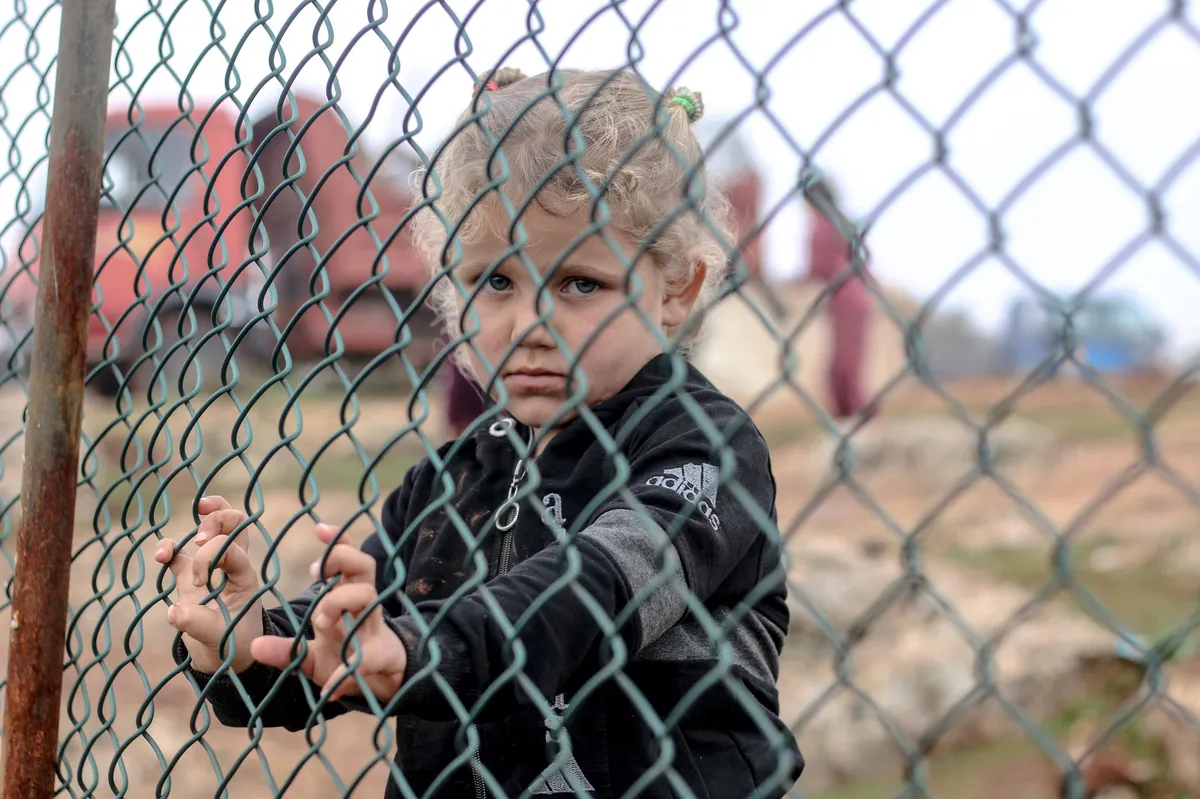
Amid the political turmoil and security measures, the human stories of migrants who have crossed into Ceuta cannot be overlooked. Many individuals who returned to Morocco described their experiences as harrowing, recounting incidents of violence and neglect they faced while in the Spanish enclave. Reports indicate that some migrants were left to fend for themselves, struggling to find basic necessities such as food and shelter.
One migrant, Ouail Lamzeiz, expressed his disillusionment after spending eight days in Ceuta, stating, “I decided to come back on my own... I hadn’t eaten for days.” Such narratives illustrate the dire circumstances that compel individuals to risk everything for the chance of a better life, often leading to tragic outcomes.
- 67 migrants lost their lives during the recent crossing attempt.
- 50,000 to 60,000 migrants breached the border in a single event.
- A new 500-meter containment barrier is being erected by Spanish authorities.
- 22 EU countries are calling for a coordinated response to manage migration.
- Many migrants reported degrading treatment while in Spain.
Key Takeaways
- The Ceuta border crisis has highlighted vulnerabilities in EU migration policies.
- Spain is taking immediate action by increasing border security and installing a containment barrier.
- The humanitarian impact on migrants is severe, with many facing violence and neglect.
- EU leaders are advocating for a united approach to address migration issues across the bloc.
Frequently Asked Questions
What measures is Spain taking to prevent future border breaches?
In response to the recent crisis, Spain is enhancing its border security measures, including the construction of a new containment barrier along the sea border and increasing patrols in the area. The Spanish government is also working closely with Moroccan authorities to address the factors driving migration and to prevent similar incidents from occurring in the future.
How are EU countries reacting to the migrant crisis in Ceuta?
The response from EU countries has been varied, with a coalition of 22 nations calling for a coordinated approach to migration management. This coalition has urged the EU to convene a meeting of interior ministers to discuss strategies for addressing the crisis. However, some countries, like Italy, have taken a more isolationist approach, threatening to impose border controls and suspend agreements related to free movement within the Schengen Area.
What are the experiences of migrants who crossed into Ceuta?
Many migrants who successfully crossed the border have reported harrowing experiences characterized by violence and a lack of basic necessities. Accounts of degrading treatment, inadequate shelter, and food shortages have emerged, highlighting the human cost of migration. Some migrants have chosen to return to Morocco voluntarily, expressing disillusionment with their treatment in Ceuta.
What are the broader implications of the Ceuta crisis for EU migration policy?
The events in Ceuta have sparked significant debate regarding EU migration policy, emphasizing the need for a more unified and compassionate approach to managing migration. The crisis has exposed the complexities of border security and the humanitarian challenges that arise from mass migration, prompting calls for comprehensive reform to ensure that the rights and dignity of migrants are respected while maintaining national security.
This content is general information, not legal advice.
Comments
No. 10 North: A New Political Hub for a Decentralized Britain
With the establishment of 'No. 10 North' in Manchester, Prime Minister Andy Burnham aims to shift power away from Westminster, offering local leaders more authority and promising economic revitalization for regions outside London.

Related articles


Popular in Business Law
- Supreme Court Justices' Financial Disclosures: A Closer Look
- Vishal Garg's Leadership Fallout: The Rise and Fall of Better.com
- Former Intelligence Official Faces Penalty for Post-Government Misconduct
- Blank Rome Faces Lawsuit After Major Data Breach Exposes Personal Information
- Congress Faces Reckoning Over Member-Staff Relationships