The Shrinking Menu at McDonald's: Consumer Concerns and Speculations
Recent reports of a reduced menu at select McDonald's locations have sparked speculation among customers. While the company remains silent, consumers are left wondering about the implications of these changes.
In a surprising turn of events, customers at select McDonald's locations have noted a significant reduction in menu options and even portion sizes. This unforeseen alteration has ignited a flurry of speculation among patrons eager to understand the reasons behind such changes. With the fast-food giant remaining largely silent on the matter, consumers are left to piece together possible explanations from a patchwork of opinions and theories circulating on social media.
Typically, large restaurant chains like McDonald's engage in testing new concepts at select locations before implementing changes across a broader market. This strategic approach allows them to gather valuable feedback, assess sales metrics, and determine operational impacts. However, with no official statement from McDonald's regarding the current modifications, the public is left with questions and a growing sense of uncertainty.

Understanding the Menu Changes
The recent observations of a smaller menu at certain McDonald's outlets have prompted customers to theorize about the motivations behind these alterations. Some speculate that this shift may be part of a limited test aimed at streamlining operations or enhancing service speed. Others suggest that a reduced menu could simplify kitchen processes, ultimately leading to shorter wait times during peak hours.
Potential Reasons for a Smaller Menu
- Operational Efficiency: A limited menu can speed up food preparation and improve order accuracy.
- Customer Feedback: By testing fewer items, the company can gauge consumer preferences more effectively.
- Cost Reduction: Fewer items may lower inventory costs and waste, allowing for better profit margins.
Despite these theories, the lack of confirmation from McDonald's leaves much to the imagination. While the company has a history of experimenting with product offerings—sometimes leading to nationwide changes—there remains no clarity on whether this trend will expand beyond a few locations or if it represents a temporary adjustment.

The Role of Consumer Speculation
In the absence of concrete information from the corporation, social media has become a breeding ground for speculation. Photos and videos showcasing altered menus at individual locations have circulated widely, often leading consumers to assume that these changes are more widespread than they truly are. This phenomenon, commonly referred to as "information gap filling," illustrates how rumors can spiral out of control in the digital age.
Social Media's Influence
When companies do not communicate transparently about changes, the public often fills the void with conjecture. In this case, McDonald's customers have expressed a mix of frustration and curiosity, with some describing the new, smaller items as akin to "action figure-sized" portions. This backlash underscores the potential pitfalls of reducing menu options, particularly when it comes to customer satisfaction.
Impact on Customer Experience
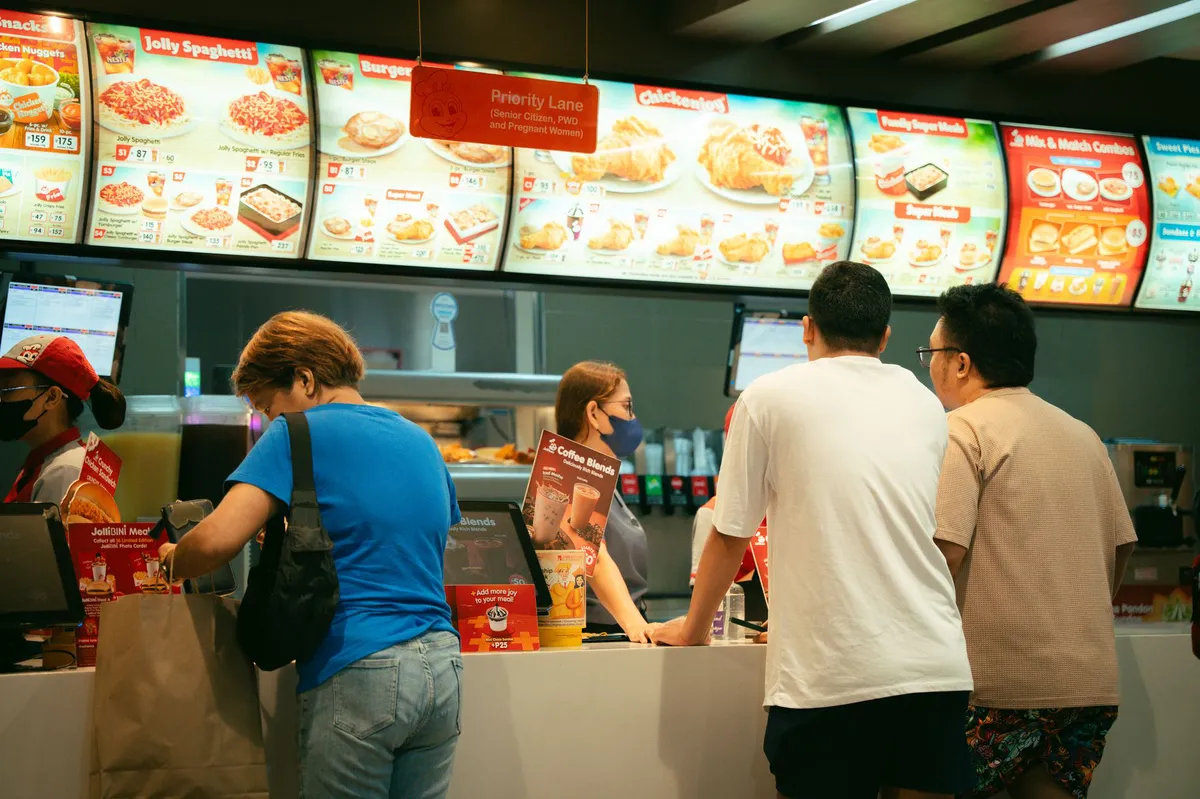
Customer reactions to the smaller menu have been largely negative, with many expressing disappointment over the perceived limited choices. For a brand that has long been known for its diverse offerings, the decision to scale back could alienate a portion of its customer base. Patrons who expect a wide array of options may find themselves dissatisfied, leading to a decline in overall brand loyalty.
Considerations for McDonald's
While reducing menu options may streamline some processes, it also carries the risk of disappointing loyal customers who appreciate variety. If consumer feedback remains predominantly negative, McDonald's may have to reevaluate this approach. Successful restaurant chains often balance operational efficiency with customer satisfaction, and a misstep in this area could have lasting repercussions.
The Testing Ground for Fast Food
Historically, major fast-food corporations have utilized limited trials to explore new concepts, whether they be menu items, ordering procedures, or restaurant layouts. These tests are critical for understanding consumer behavior and preferences. However, not all trials lead to permanent changes. Many initiatives are quietly abandoned if they fail to resonate with customers.
Examples of Past Trials
In the past, McDonald's has successfully introduced new menu items after extensive testing. For instance, the McCafe line underwent trials before becoming a staple across many locations. Conversely, some limited-time offers have come and gone without making a significant impact. Understanding this trial-and-error approach can shed light on the current situation.

What’s Next for McDonald's?
As of now, the true intent behind the smaller menu remains unclear. Is it a temporary test, a strategy to enhance operational efficiency, or simply a miscalculation? Without an official statement from McDonald's, customers can only speculate. For those who have noticed changes at their local restaurants, it may be wise to keep an eye on customer feedback and company announcements in the coming weeks.
Monitoring Customer Reactions
Consumer feedback is a powerful tool that can influence corporate decisions. If McDonald's observes a trend of dissatisfaction, it may choose to revert to its previous menu structure or adjust its offerings based on customer preferences. Engaging with customers through surveys or social media could provide valuable insights that help guide future decisions.
Key Takeaways
- Recent reductions in McDonald's menu options have sparked consumer speculation.
- The company has not confirmed whether these changes are part of a broader strategy or a temporary test.
- Customer feedback could significantly influence any future decisions regarding menu offerings.
Frequently Asked Questions
What are the implications of a smaller menu at McDonald's?
A smaller menu may streamline operations and reduce wait times; however, it risks disappointing customers who expect a wider variety of options. If McDonald's continues to receive negative feedback, it may reconsider this approach moving forward.
How do fast-food chains typically test new menu items?
Fast-food chains often conduct trials at select locations to assess the viability of new menu items or changes. These trials allow companies to gather consumer feedback and evaluate sales data before making broader decisions.
Can customer feedback lead to changes in menu offerings?
Absolutely. Customer feedback is vital for fast-food chains, and a negative response to menu changes can prompt a company to revert to previous offerings or make adjustments based on consumer preferences. Engaging with customers through surveys or social media can help capture valuable insights.
What should customers do if they notice changes at their local McDonald's?
If customers notice changes at their local McDonald's, they may want to share their thoughts on social media or through customer feedback channels. Companies often pay attention to customer opinions, and expressing concerns can influence future decisions regarding menu offerings.
This article is for informational purposes only and does not constitute legal advice.
Comments
Spain Fortifies Ceuta Border Following Deadly Migrant Crisis
Spain is erecting a new containment barrier in Ceuta after a tragic surge of migrants led to 67 deaths. The incident has sparked international debate and raised questions about EU migration policy.

Related articles


Popular in Business Law
- Supreme Court Justices' Financial Disclosures: A Closer Look
- Vishal Garg's Leadership Fallout: The Rise and Fall of Better.com
- Former Intelligence Official Faces Penalty for Post-Government Misconduct
- Blank Rome Faces Lawsuit After Major Data Breach Exposes Personal Information
- Congress Faces Reckoning Over Member-Staff Relationships