No. 10 North: A New Political Hub for a Decentralized Britain
With the establishment of 'No. 10 North' in Manchester, Prime Minister Andy Burnham aims to shift power away from Westminster, offering local leaders more authority and promising economic revitalization for regions outside London.
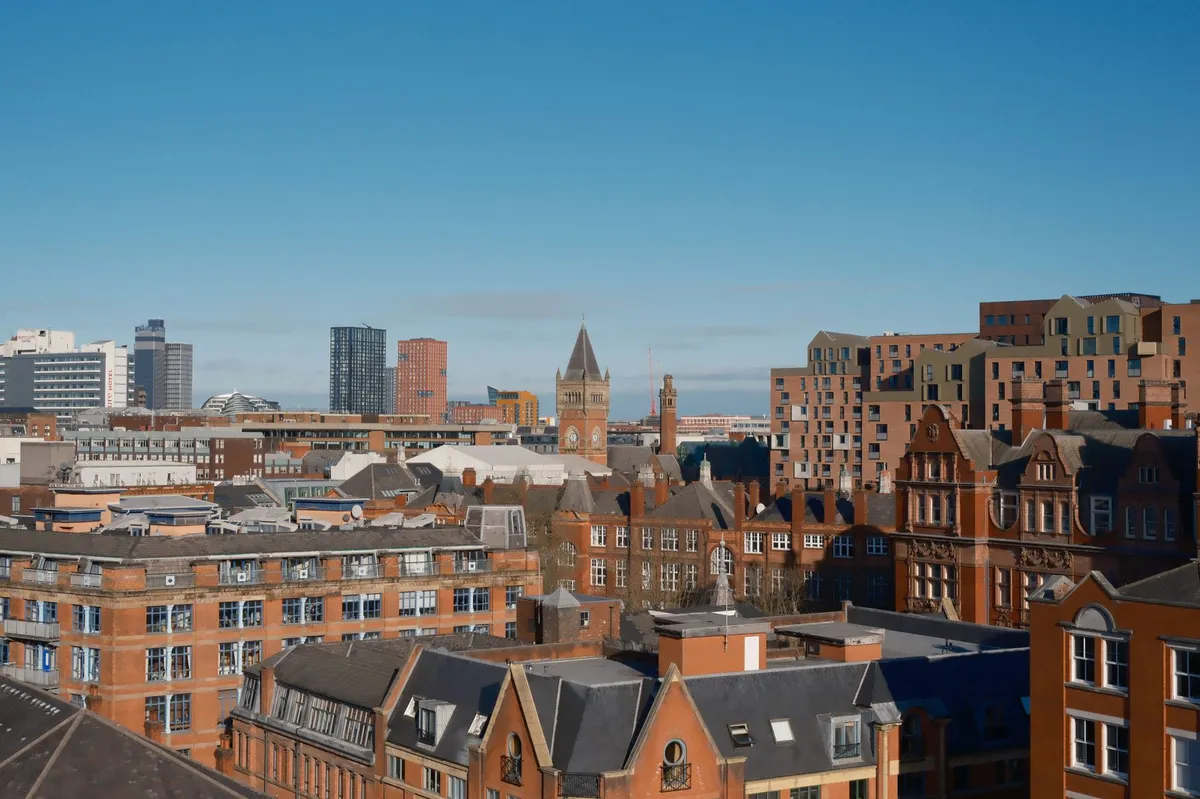
The political landscape of the United Kingdom is undergoing a significant transformation with the introduction of a new power center 165 miles north of London. Prime Minister Andy Burnham, who previously served as the mayor of Greater Manchester, has established 'No. 10 North' in Manchester, marking a deliberate effort to decentralize power and promote economic growth across the country. This move represents a bold departure from traditional governance, emphasizing local leadership and regional development.
Burnham's initiative highlights a critical shift in how political power is perceived and exercised in Britain. By situating a significant office outside of the capital, Burnham aims to address the longstanding concerns of regions feeling marginalized by Westminster’s centralization. The creation of No. 10 North is not merely symbolic; it is an engine for change, reflecting Burnham's vision of a more balanced approach to governance that empowers local leaders and redistributes economic opportunities.
The Vision Behind No. 10 North
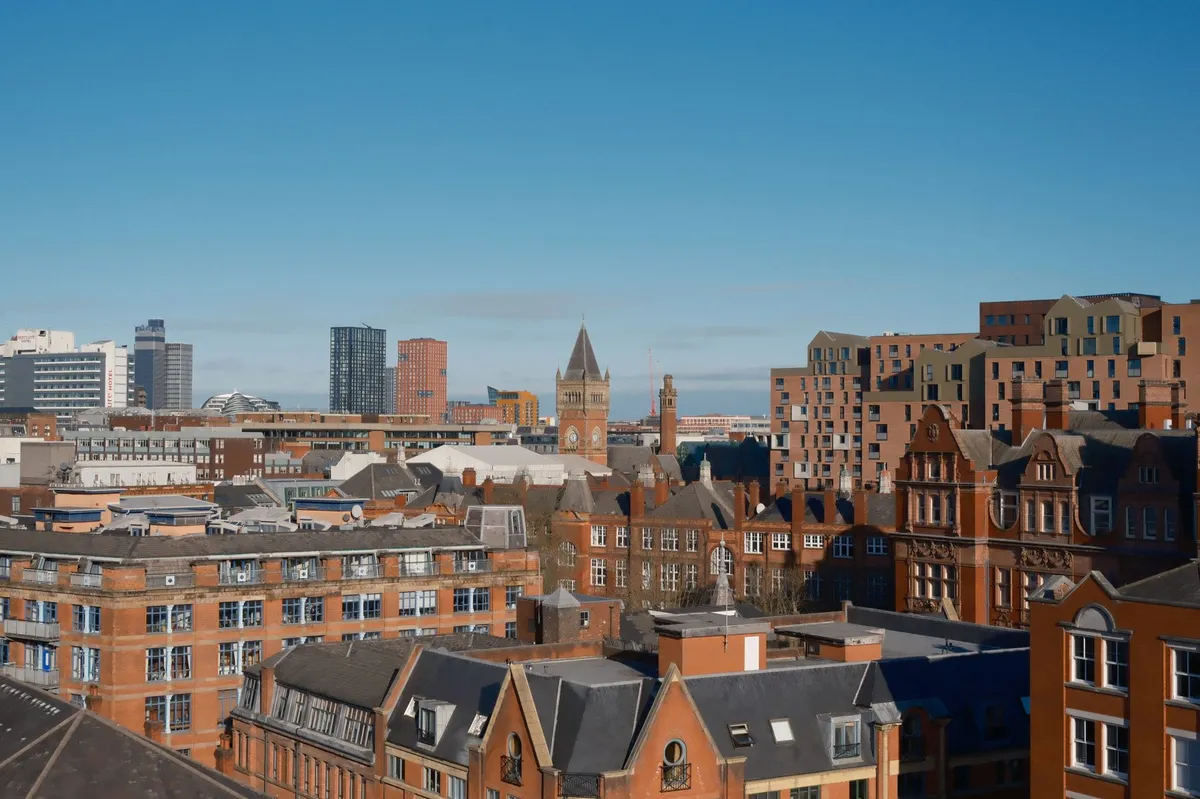
Andy Burnham envisions No. 10 North as a counterbalance to the traditional dominance of southern-centric politics. He describes it as a “North Pole that balances the South Pole,” indicating a desire to create an equitable political landscape. Critics, however, have labeled this initiative as a mere gimmick, suggesting that it may lack the substantive change needed to address deep-rooted issues in the North.
One of Burnham’s primary goals is to transfer powers and resources to local authorities, which he believes is essential for stimulating economic growth in areas that have historically been neglected. This initiative is particularly crucial given the economic challenges facing the UK, including the aftermath of the COVID-19 pandemic and the ongoing struggle to revitalize regions that have suffered from industrial decline.
Burnham's Track Record
Before his ascension to the national stage, Burnham was celebrated for his leadership in Manchester. During his tenure as mayor, he aggressively advocated for the city, earning the title of “King of the North.” His approach, often referred to as “Manchesterism,” blends business-friendly socialism with a focus on local empowerment. This philosophy has led to a vibrant urban environment marked by new infrastructure, a booming service sector, and an array of cultural offerings.
Burnham's success in revitalizing Manchester serves as a blueprint for his national ambitions. He aims to replicate this model across the UK, utilizing No. 10 North as a base for implementing policies that prioritize regional development. His recent announcement about allowing mayors to retain a larger share of local tax revenues is seen as a significant step in this direction, marking what he claims to be the largest transfer of power from Westminster in a generation.
The Challenges Ahead
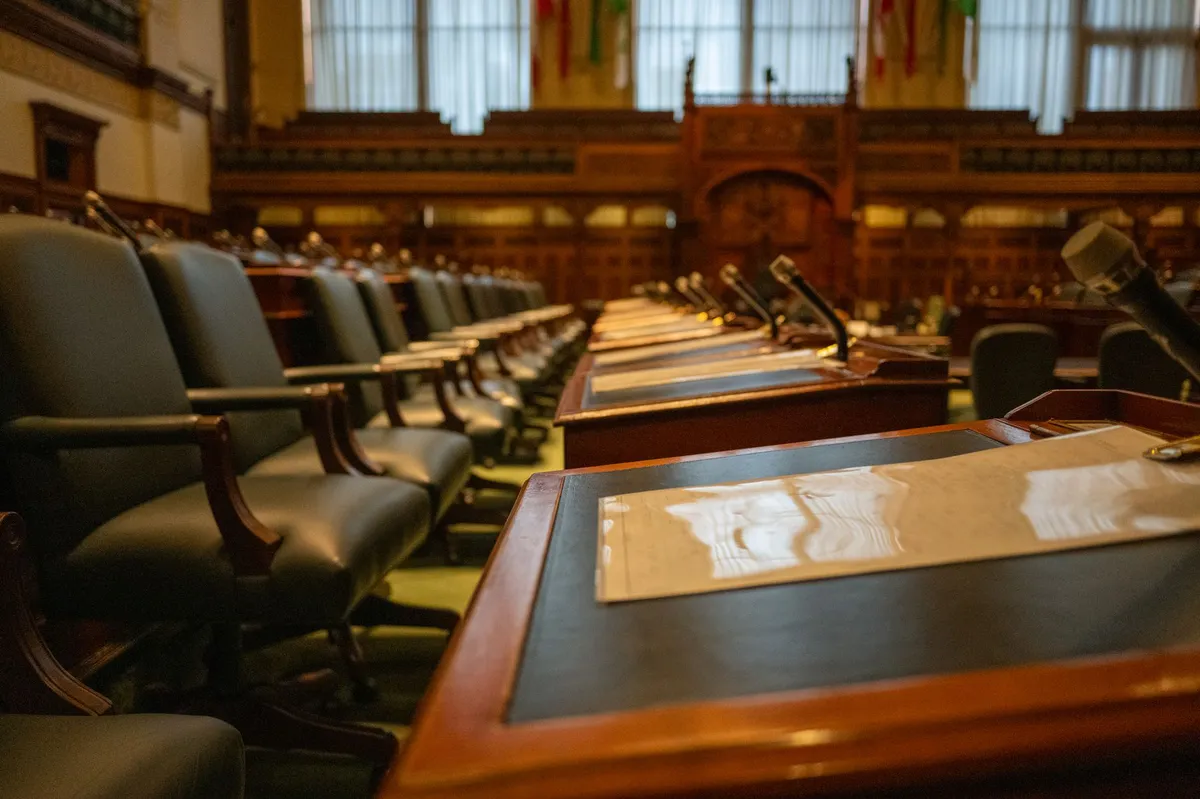
Despite the enthusiasm surrounding No. 10 North, Burnham faces considerable challenges. Critics argue that while Manchester has thrived under his leadership, the benefits have not extended evenly across the region. Many outskirts continue to struggle with economic stagnation, and discontent among voters has provided fertile ground for the rise of alternative political movements, such as the anti-immigration party Reform UK.
Local vs. National Interests
To truly embody the spirit of decentralization, Burnham must ensure that his policies benefit not only Manchester but also other regions that have long felt overlooked. Cities like Liverpool, Leeds, and Sheffield have their unique challenges and aspirations. Political analysts emphasize that for Burnham's initiative to succeed, it must be inclusive and address the needs of all northern towns and cities, not just the one where his office is located.
Rob Ford, a political science professor at the University of Manchester, notes that while Burnham's intentions appear genuine, the complexity of shifting power dynamics in a highly centralized system poses a formidable challenge. “He does seem quite determined to change that, but that’s a huge job,” Ford said, highlighting the uphill battle that lies ahead.
Community Reactions and Future Prospects
The establishment of No. 10 North has garnered mixed reactions from the public. Many Mancunians express pride in their city and welcome the idea of increased local control. “It makes sense,” says Sam Turner, a nursing lecturer, stressing the distinct economic realities faced by the North compared to the South.
Supporters of Burnham's initiative, including local business leaders, view No. 10 North as a refreshing change that could pave the way for more inclusive decision-making. Rose Marley, chief executive of Cooperatives UK, shared her optimism after attending a meeting at the new office. She noted that the move could potentially prompt Westminster to confront logistical challenges, such as poor transportation connectivity, that affect northern communities.
However, as Burnham looks to expand the influence of No. 10 North, he must also heed calls for equal representation across the country. Many voices advocate for additional regional offices, suggesting that more ‘No. 10s’ could help foster a more equitable political environment. Lesley Lebbon, a visitor from eastern England, expressed her hope for broader representation, stating, “More No. 10s, maybe an East and a West No. 10, would be beneficial.”
Key Takeaways
- No. 10 North in Manchester represents a significant shift in UK governance, aiming to decentralize power from London.
- The initiative seeks to empower local leaders and redistribute economic opportunities across regions.
- While Burnham's approach has been successful in Manchester, challenges remain in ensuring equitable benefits for all northern communities.
- The establishment of No. 10 North has elicited mixed reactions, with supporters advocating for broader regional representation.
- Future success will depend on Burnham's ability to address the diverse needs of various regions beyond Manchester.
Frequently Asked Questions
What is No. 10 North?
No. 10 North is a new political office established in Manchester by Prime Minister Andy Burnham, aimed at decentralizing power from Westminster and promoting local governance. It serves as a hub for empowering regional leaders and redistributing economic resources to areas outside London, particularly in the North of England.
Why has Burnham chosen Manchester for this initiative?
Burnham has a deep connection to Manchester, having served as the city's mayor prior to becoming Prime Minister. He believes that Manchester's recent economic growth can serve as a model for revitalizing other regions. By establishing No. 10 North there, he aims to balance political power and stimulate local economies that have been historically neglected.
What are the potential challenges facing No. 10 North?
While No. 10 North represents a promising step toward decentralization, challenges include ensuring that the economic benefits extend beyond Manchester to other areas in the North. Critics argue that the existing economic boom in Manchester has not been felt uniformly, and there is a risk of neglecting the needs of surrounding towns. Burnham will need to demonstrate a commitment to addressing these disparities to gain broader support.
How will Burnham's policies impact local governance?
Burnham's policies, particularly the decision to allow mayors to retain a greater share of tax revenues, are designed to empower local governments. This shift is intended to give communities more control over their economic futures, enabling them to make decisions tailored to their unique needs. The success of these policies will depend on Burnham's ability to maintain momentum and effectively address the diverse challenges faced by different regions.
Comments
Spain Fortifies Ceuta Border Following Deadly Migrant Crisis
Spain is erecting a new containment barrier in Ceuta after a tragic surge of migrants led to 67 deaths. The incident has sparked international debate and raised questions about EU migration policy.

Related articles
Popular in Business Law
- Supreme Court Justices' Financial Disclosures: A Closer Look
- Vishal Garg's Leadership Fallout: The Rise and Fall of Better.com
- Former Intelligence Official Faces Penalty for Post-Government Misconduct
- Blank Rome Faces Lawsuit After Major Data Breach Exposes Personal Information
- Congress Faces Reckoning Over Member-Staff Relationships