Rising Diesel Prices: The Impact of Global Tensions and Economic Policies
As diesel prices approach record highs amidst geopolitical unrest, the implications for the U.S. economy and consumers are profound. This article explores the factors driving these changes and their broader consequences.

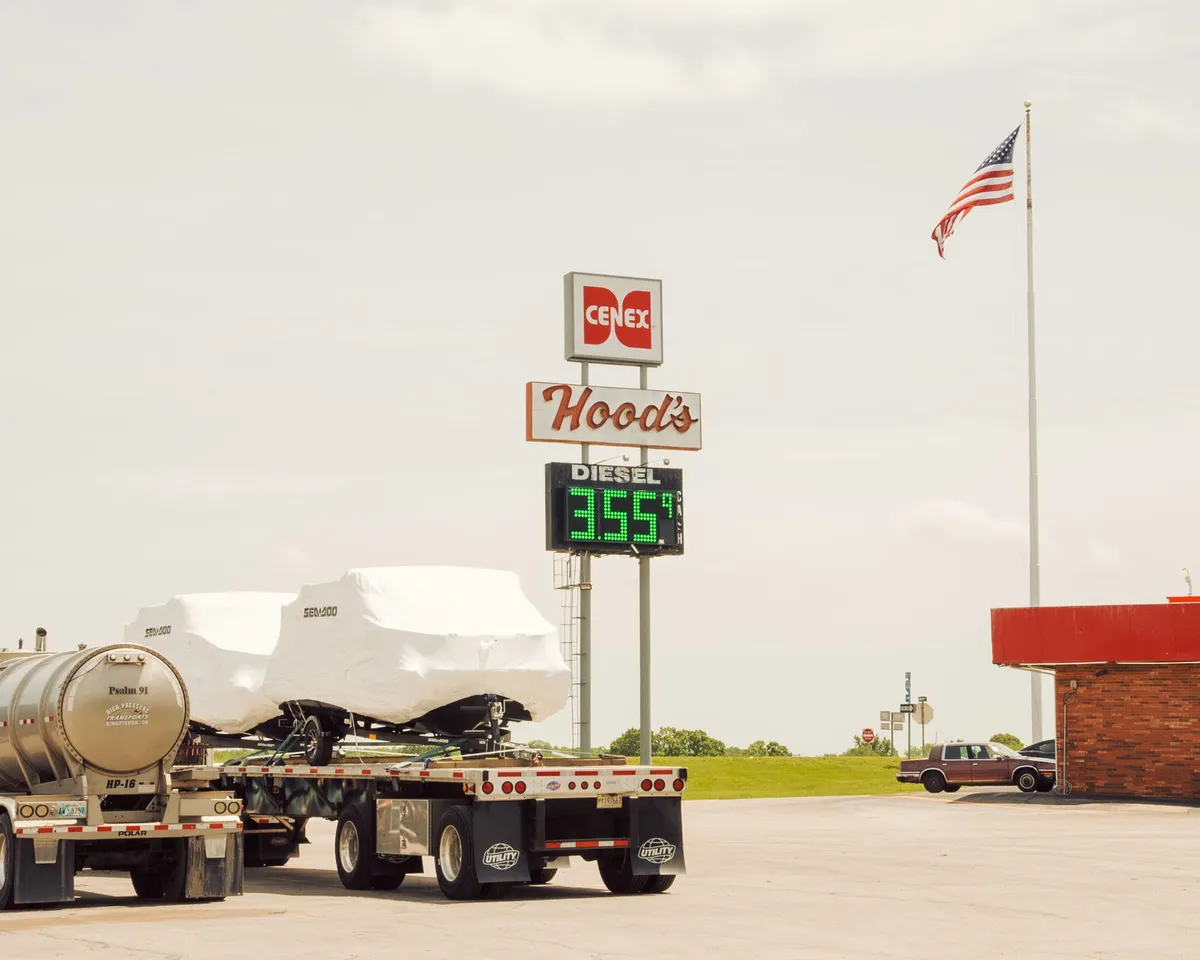
In a world increasingly affected by geopolitical strife, diesel prices in the United States have surged to alarming levels, nearing their highest recorded average. As of late July, diesel fuel prices reached about $5.34 per gallon, just shy of the all-time high of $5.816 set four years ago. This steep rise, attributed to ongoing military conflicts in the Middle East and other international tensions, has significant implications not only for the transportation sector but also for consumers and the economy at large.
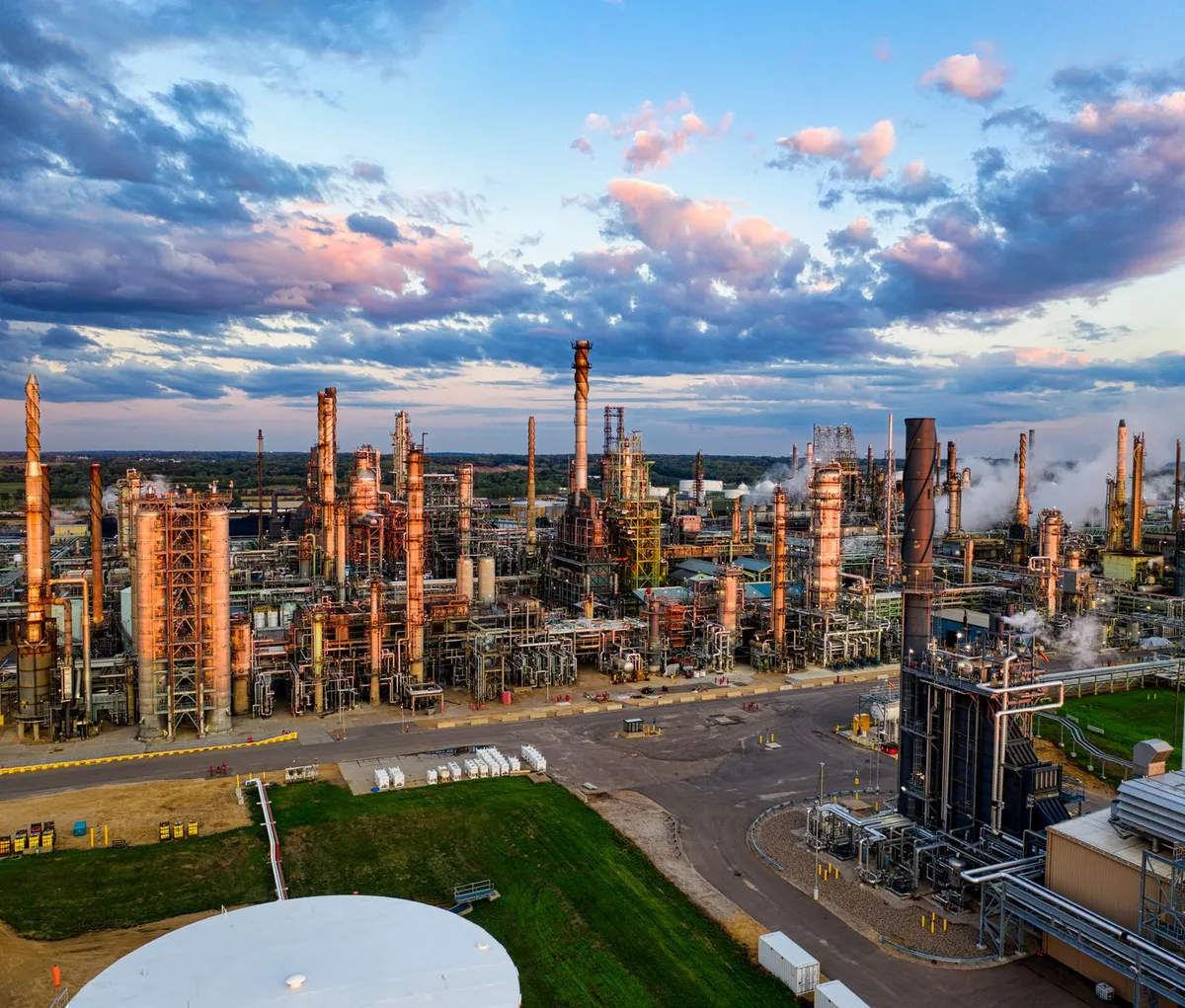
The international energy landscape is volatile, with the current scenario exacerbated by conflicts in regions crucial to oil supply. The International Energy Agency (IEA) warns that ongoing disruptions—such as attacks on Russian refineries and reduced output from Chinese facilities—are likely to keep prices elevated. With diesel now over $1.50 per gallon higher than it was a year ago, the IEA forecasts that further price increases are imminent before any potential recovery.
The Geopolitical Landscape and Its Effects on Diesel Prices
The Middle East, particularly the Strait of Hormuz, has long been a vital route for global oil and natural gas shipments, accounting for about a fifth of the world's supply. However, military actions—most notably the ongoing conflict involving the United States and Israel against Iran—have severely impacted shipping through this narrow waterway. With increased shipping costs and decreased availability, the ripple effects are felt across various sectors, from logistics to consumer goods.
Supply Chain Disruptions
This situation has led to a pronounced diesel shortage, pushing prices higher. The IEA's report noted that global oil stocks have seen a steep decline, averaging a drop of 3.8 million barrels per day since the onset of the war. Such reductions in supply inevitably lead to increased costs for consumers, particularly in industries heavily reliant on diesel fuel for transportation and logistics.
Economic Implications of Rising Fuel Prices
As diesel prices climb, the broader economic implications are hard to ignore. Higher fuel costs translate to increased operational expenses for businesses that rely on transportation. This often leads to higher prices for goods and services, creating a cycle of inflation that can impact consumer spending and economic growth.
Inflationary Pressures
The Federal Reserve is already grappling with inflation that has remained above its 2% target for over five years. The rising energy prices, compounded by the Trump administration's tariff policies, are adding to the inflationary pressures affecting the U.S. economy. In a recent meeting, the Fed chose to maintain its benchmark interest rate steady, citing ongoing economic uncertainties as a major concern.
Political Responses and Tariff Impacts
President Trump’s administration has implemented a series of tariffs on foreign goods, further complicating the economic landscape. These tariffs, imposed on over 60 countries, have been justified under claims of combating unfair trade practices but have also drawn criticism for their potential to exacerbate inflation. The administration's approach seems to be a reaction to the Supreme Court's recent rulings that struck down earlier tariffs, which had been imposed during his first term.
Exemptions and Criticism
Interestingly, certain essential products, including oil, gas, and fertilizers, are exempt from these new tariffs. This exemption highlights a focus on minimizing impact on sectors critical to the economy, although critics argue that the new duties could still harm consumer prices and further fuel inflation. The complexities of these policies showcase the intricate balance required in managing both domestic and international economic challenges.
Market Reactions and Future Predictions
In the stock market, the energy sector reacted sharply to these developments. With crude oil prices climbing by around 20% in July, investors have been closely watching the performance of major companies like Amazon and Microsoft. Both tech giants reported substantial increases in sales, helping to offset some of the broader market volatility caused by the geopolitical tensions.
Tech Sector Resilience
Amazon, for example, announced a 20% year-over-year increase in net sales, alongside impressive growth in its cloud computing division. Microsoft also reported strong earnings, with shares jumping significantly in response. This resilience in the tech sector may provide some comfort to investors, but it does little to alleviate the concerns surrounding rising diesel prices and their cascading effects on the economy.

Key Takeaways
- Diesel prices are nearing record highs, currently at $5.34 per gallon, due to geopolitical tensions.
- The IEA anticipates further price increases before a potential recovery.
- Inflationary pressures are heightened by rising fuel costs and recent tariff policies.
- The Federal Reserve is maintaining interest rates amid ongoing economic uncertainties.
- Tech sector companies like Amazon and Microsoft are showing resilience despite broader market volatility.
Frequently Asked Questions
What are the main factors driving the rise in diesel prices?
Diesel prices are primarily driven by geopolitical tensions, particularly conflicts in the Middle East that disrupt supply chains, as well as decreased production from key oil-producing countries. The ongoing war in Iran and its impact on shipping routes through the Strait of Hormuz have significantly affected global oil supply, leading to higher prices at the pump.
How does rising diesel prices affect the average consumer?
As diesel prices rise, consumers may see increased costs for goods and services, particularly those reliant on transportation. Higher fuel costs can lead to increased logistics expenses for businesses, which are often passed down to consumers in the form of higher prices for everyday products. This can strain household budgets, especially for those already grappling with inflationary pressures.
What role do tariffs play in the current economic climate?
Tariffs imposed by the Trump administration on a range of foreign goods have added complexity to the economic landscape. While they are intended to protect U.S. industries and workers, they can also contribute to rising prices for consumers and complicate the inflation picture. Some essential goods, such as oil and gas, are exempt from these tariffs, but critics argue that the overall impact of tariffs may still exacerbate inflation.
What are the implications for the Federal Reserve's policies?
The Federal Reserve faces a challenging environment with rising inflation and geopolitical uncertainties. With diesel prices climbing and contributing to overall inflation, the Fed must navigate these pressures while attempting to maintain economic stability. Its decision to keep interest rates steady reflects a cautious approach to avoid exacerbating economic challenges while closely monitoring inflation trends.
Disclaimer: This content is general information and not legal advice.
Comments
Labour's Stronghold: Bev Craig Triumphs in Greater Manchester Election
In a pivotal election, Labour's Bev Craig secures the Greater Manchester mayoralty, defeating Reform UK's Sian Astley. This victory not only reinforces Labour's influence in the region but also signals a potential shift in national politics under Prime Minister Andy Burnham's leadership.

Related articles



Popular in Business Law
- Supreme Court Justices' Financial Disclosures: A Closer Look
- Vishal Garg's Leadership Fallout: The Rise and Fall of Better.com
- Former Intelligence Official Faces Penalty for Post-Government Misconduct
- Blank Rome Faces Lawsuit After Major Data Breach Exposes Personal Information
- Congress Faces Reckoning Over Member-Staff Relationships