Labour's Stronghold: Bev Craig Triumphs in Greater Manchester Election
In a pivotal election, Labour's Bev Craig secures the Greater Manchester mayoralty, defeating Reform UK's Sian Astley. This victory not only reinforces Labour's influence in the region but also signals a potential shift in national politics under Prime Minister Andy Burnham's leadership.
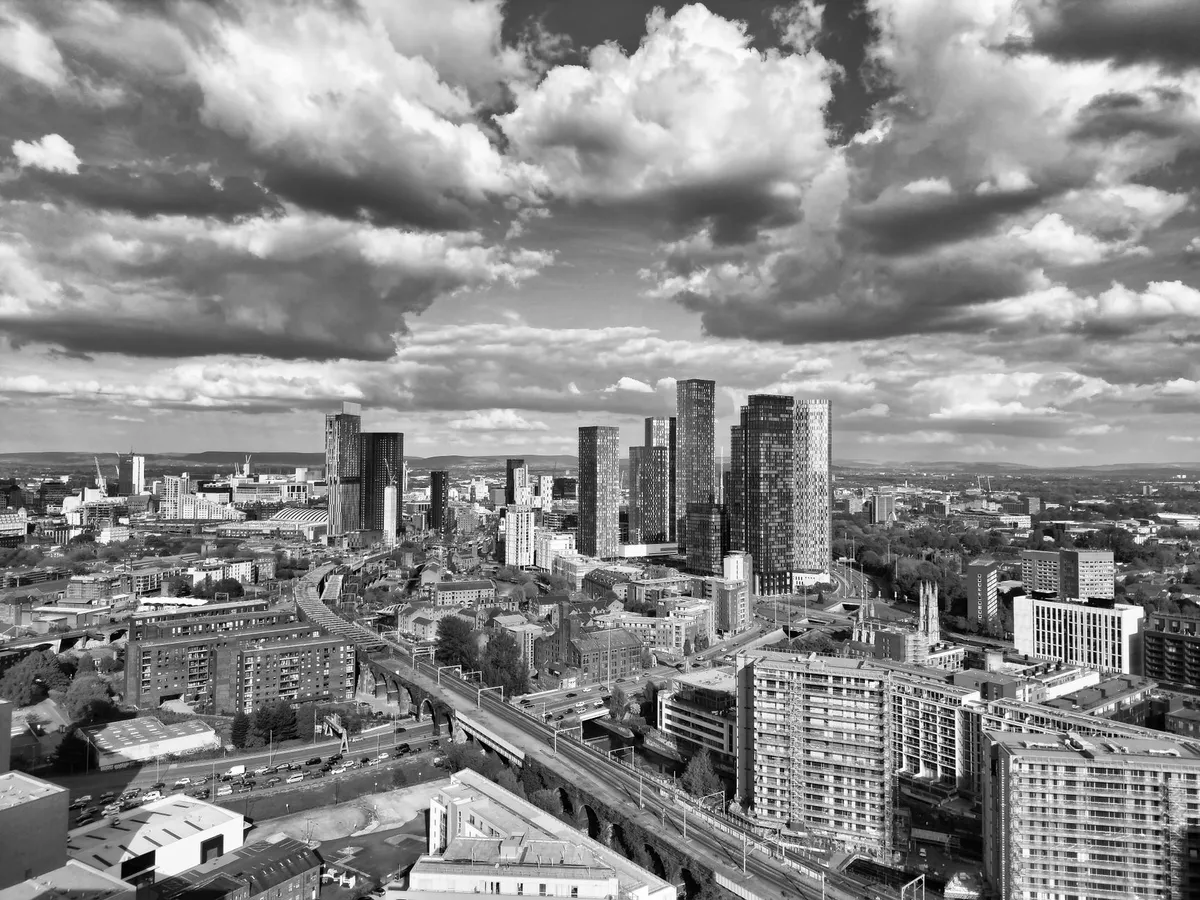
The recent mayoral election in Greater Manchester has captured the attention of political analysts and citizens alike, as Labour's Bev Craig decisively defeated her far-right opponent, Sian Astley of Reform UK. With a significant margin of victory, Craig's win not only solidifies Labour's control over one of England's most influential elected positions but also offers a crucial early endorsement of Prime Minister Andy Burnham's leadership since his return to Parliament. This election, marked by the lowest voter turnout in the region's history, raises questions about Labour's future and the shifting political landscape across northern England.
The Election Outcome: A Decisive Victory
Bev Craig emerged victorious with 309,525 votes, a commanding lead over Astley's 157,178 votes. Labour garnered 47% of the first-preference votes, while Reform UK trailed behind with 21%, and the Green Party accounted for 12% of the electorate's choice. Because no candidate achieved more than half of the first-preference votes, the election proceeded to a supplementary voting system, where only the two leading candidates remained. After redistributing second-preference votes, Craig's share surged to an impressive 66%, while Astley’s increased to 33%.
Craig's Commitment to the Community
Upon winning the election, Craig expressed her gratitude and commitment to the people of Greater Manchester, stating, "I am honored, I am humbled, and I stand ready to serve the three million people that live across this fantastic city region." Her personal journey from growing up on a council estate to becoming the mayor of a major metropolitan area resonates with many constituents and reinforces her connection to the community.
The Political Context: A Test for Burnham
This election is particularly significant for Prime Minister Andy Burnham, who previously served as Greater Manchester's inaugural mayor before returning to Parliament. Burnham’s leadership is being closely scrutinized, especially after the Labour Party faced setbacks in previous local elections to Reform UK, which had made substantial gains in the north. The victory in Greater Manchester suggests that Labour may be regaining traction in its historical stronghold, an important development as national opinion polls indicate a shift back in Labour's favor under Burnham's leadership.
Voter Turnout and Implications
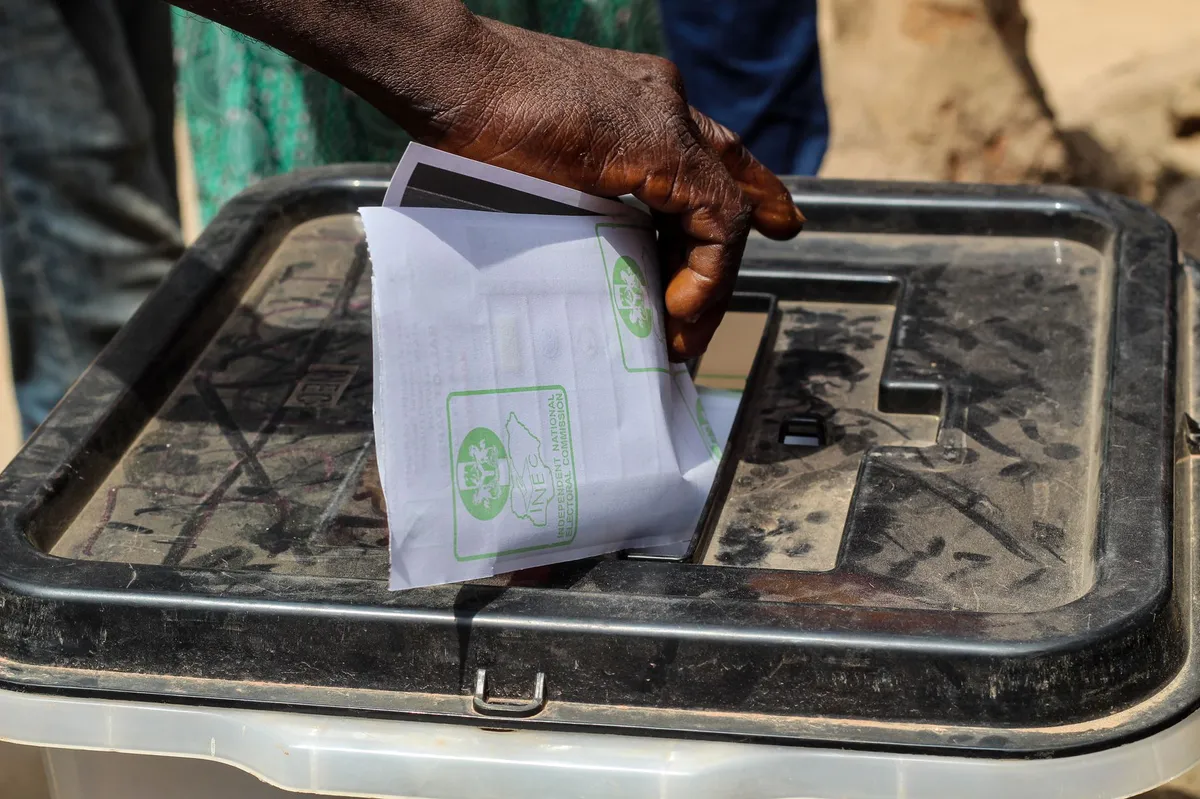
The election saw a turnout of approximately 25%, the lowest since Greater Manchester first instituted a mayoral office in 2017. This low participation rate raises concerns about voter engagement and the effectiveness of political campaigns in connecting with constituents. Factors contributing to this turnout may include voter apathy, dissatisfaction with the current political climate, or a lack of compelling messaging from candidates.
Historical Context of Labour in Greater Manchester
Greater Manchester has been a Labour stronghold for over a century, rooted in its industrial heritage and strong trade union presence. However, recent years have seen a decline in Labour's dominance, particularly as Reform UK gained momentum, capturing 31% of the vote in local council elections. Notably, eight of the ten boroughs in Greater Manchester voted to leave the EU during the 2016 Brexit referendum, indicating a potential shift in political alignment among voters. Labour's recent victory suggests a possible recovery in public support, although the party must navigate the complexities of a changing political landscape.
Challenges for Reform UK
Labour's victory comes amid increasing scrutiny of Reform UK's financial practices, with ongoing investigations into alleged breaches of political finance laws. The Metropolitan Police are examining whether substantial donations received prior to recent elections were concealed in terms of their original sources. Additionally, Reform leader Nigel Farage faces scrutiny for allegedly failing to declare a significant financial benefit from a cryptocurrency investor. These issues may further complicate Reform UK's standing and influence in future elections.
Key Takeaways
- Bev Craig's victory reinforces Labour's control over Greater Manchester and enhances Prime Minister Andy Burnham's early leadership.
- The election outcome suggests a potential rebound for Labour in a region where Reform UK previously gained ground.
- Low voter turnout at 25% raises questions about electoral engagement and the effectiveness of campaigning efforts.
- Ongoing financial scrutiny of Reform UK may impact their future electoral prospects and credibility.
- The political landscape in Greater Manchester reflects broader national trends and underscores the significance of local elections in shaping party dynamics.
Frequently Asked Questions
What does the mayor of Greater Manchester oversee?
The mayor of Greater Manchester holds significant authority, overseeing various critical areas including transport, policing, housing, strategic planning, waste management, and segments of the region's healthcare system. This role impacts the daily lives of approximately three million residents across ten local authorities, making it one of the most powerful elected positions outside of the national government.
What is the supplementary voting system used in this election?
The supplementary voting system is a method used in elections where no candidate secures more than half of the first-preference votes. In such cases, only the top two candidates are retained for a second round of counting, where second-preference votes from eliminated candidates are redistributed. This system aims to ensure that the elected candidate has broader support among voters, reflecting a more democratic outcome.
How does Labour's victory affect national politics?
Labour's victory in Greater Manchester may signal a shift in national political dynamics, particularly as Prime Minister Andy Burnham seeks to solidify his leadership. This win provides a crucial morale boost for Labour, indicating a potential recovery in public support after recent setbacks against Reform UK. As the party navigates its path forward, the implications of this election could extend beyond local governance, influencing national strategies and policies.
What challenges does Reform UK face following this election?
Reform UK is currently grappling with significant challenges, particularly concerning financial scrutiny from law enforcement and parliamentary watchdogs. Allegations of concealed donations and failures to declare financial benefits are under investigation, which could undermine the party's credibility and electoral prospects moving forward. As public confidence wavers, Reform UK's future in the political arena may be at stake.
This article is intended for informational purposes only and should not be construed as legal advice.
Comments
Rising Diesel Prices: The Impact of Global Tensions and Economic Policies
As diesel prices approach record highs amidst geopolitical unrest, the implications for the U.S. economy and consumers are profound. This article explores the factors driving these changes and their broader consequences.
Related articles


Popular in Business Law
- Supreme Court Justices' Financial Disclosures: A Closer Look
- Vishal Garg's Leadership Fallout: The Rise and Fall of Better.com
- Former Intelligence Official Faces Penalty for Post-Government Misconduct
- Blank Rome Faces Lawsuit After Major Data Breach Exposes Personal Information
- Congress Faces Reckoning Over Member-Staff Relationships