Insider Trading Scandal: Traders Admit Guilt in BigLaw Data Theft
Two traders have pleaded guilty in a significant insider trading scandal involving stolen information from a major law firm. This case highlights the vulnerabilities within legal practices and the implications for market integrity.
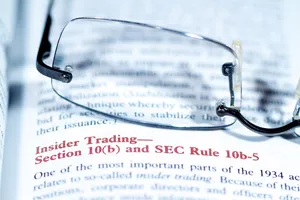
The world of high finance and law is often intertwined in complex ways, but a recent scandal has brought to light the dark underbelly of insider trading and data theft. Two traders have pleaded guilty to charges related to a scheme that involved stealing sensitive information from a prominent law firm. This situation not only raises questions about the integrity of the financial markets but also highlights the vulnerabilities inherent within legal practices.
This case serves as a critical reminder of the importance of safeguarding confidential information in all industries, especially within sectors that rely heavily on trust and confidentiality. As the legal ramifications unfold, both the legal and financial communities are left to grapple with the implications of this breach.
Background of the Insider Trading Scheme
The scheme involved accessing confidential information from a major law firm, which the traders then used to gain an unfair advantage in the stock market. The law firm, known for its high-stakes corporate clients, had information that could significantly influence stock prices. By exploiting this information, the traders were able to engage in transactions that would yield substantial profits.
This breach underscores the necessity for law firms to implement robust information security measures. In an age where data breaches are becoming increasingly common, firms must remain vigilant against the potential for internal and external threats.
The Legal Framework Surrounding Insider Trading
Insider trading is governed by a complex framework of laws and regulations designed to promote fair trading practices. The primary statute is the Securities Exchange Act of 1934, which prohibits trading based on material nonpublic information. Violations can lead to severe penalties, including hefty fines and imprisonment. In this recent case, the traders face the consequences of their actions, which could serve as a deterrent to others in the industry.
In addition to criminal penalties, individuals found guilty of insider trading can also face civil liability, with potential damages exceeding the profits made from the illicit trades. The U.S. Securities and Exchange Commission (SEC) actively enforces regulations, and cases like this one often serve as a warning to others who might consider similar illegal activities.
Implications for the Legal and Financial Sectors
The fallout from this scandal is likely to resonate through both the legal and financial sectors for years to come. Law firms must reassess their security protocols and consider implementing stronger measures to protect sensitive information. This includes not only technical safeguards but also employee training to recognize and prevent potential breaches.
Financial institutions, too, may need to enhance their compliance programs. Investors have a right to expect that stock prices reflect genuine market conditions, not illicit advantages gained through insider information. A loss of trust in the market can lead to decreased investment, ultimately affecting the economy as a whole.
Who Is Affected by the Scandal?
The implications of the scandal extend beyond the immediate participants. Here are some key stakeholders impacted:
- Law Firms: Facing reputational damage and potential legal repercussions, law firms must ensure the security of their confidential client information.
- Traders and Investors: Those who engage in ethical trading may find their investments impacted by the erosion of trust in market fairness.
- Regulatory Bodies: The SEC and other regulatory agencies are tasked with maintaining market integrity and may face increased pressure to tighten enforcement measures.
- The Public: Ultimately, the general public relies on a fair market to invest and save for their future; a breach undermines this trust.

Key Takeaways
- Two traders pleaded guilty to insider trading charges related to stolen information from a major law firm.
- The case highlights the importance of data security in legal practices.
- Insider trading carries severe legal consequences, including fines and imprisonment.
- The implications of this scandal affect law firms, financial markets, and public trust.
Frequently Asked Questions
What is insider trading?
Insider trading refers to the buying or selling of securities based on material nonpublic information. This practice is illegal because it undermines the principle of a fair market, where all investors should have equal access to information that could impact stock prices.
What are the penalties for insider trading?
Penalties for insider trading can be severe, including criminal charges that result in imprisonment, as well as civil penalties such as fines that can amount to three times the profit gained or loss avoided through the illegal trading. The SEC actively pursues enforcement actions against individuals and companies involved in insider trading schemes.
How can law firms protect against data breaches?
Law firms can protect against data breaches by implementing comprehensive cybersecurity measures, conducting regular training sessions for employees on recognizing threats, and establishing strict protocols for handling confidential information. Additionally, firms should consider investing in advanced security technologies to safeguard sensitive data.
What should investors do in light of this scandal?
Investors should remain vigilant and informed about market conditions and the integrity of the companies in which they invest. It may also be beneficial to consult with financial advisors to ensure that investment strategies are aligned with ethical trading practices. Building a diversified portfolio can help mitigate risks associated with market volatility stemming from scandals like this one.
This content is general information, not legal advice.
Comments
Rising Diesel Prices: The Impact of Global Tensions and Economic Policies
As diesel prices approach record highs amidst geopolitical unrest, the implications for the U.S. economy and consumers are profound. This article explores the factors driving these changes and their broader consequences.
Related articles



Popular in Business Law
- Supreme Court Justices' Financial Disclosures: A Closer Look
- Vishal Garg's Leadership Fallout: The Rise and Fall of Better.com
- Former Intelligence Official Faces Penalty for Post-Government Misconduct
- Blank Rome Faces Lawsuit After Major Data Breach Exposes Personal Information
- Congress Faces Reckoning Over Member-Staff Relationships