Seventh Circuit's Ruling on Enbridge Pipeline: A Complex Legal Landscape
The Seventh Circuit has ruled that Enbridge Energy's pipeline cannot continue its operations unchecked across tribal lands, yet it stops short of an outright shutdown. This decision highlights the legal complexities and treaties involved in the ongoing battle over Line 5.
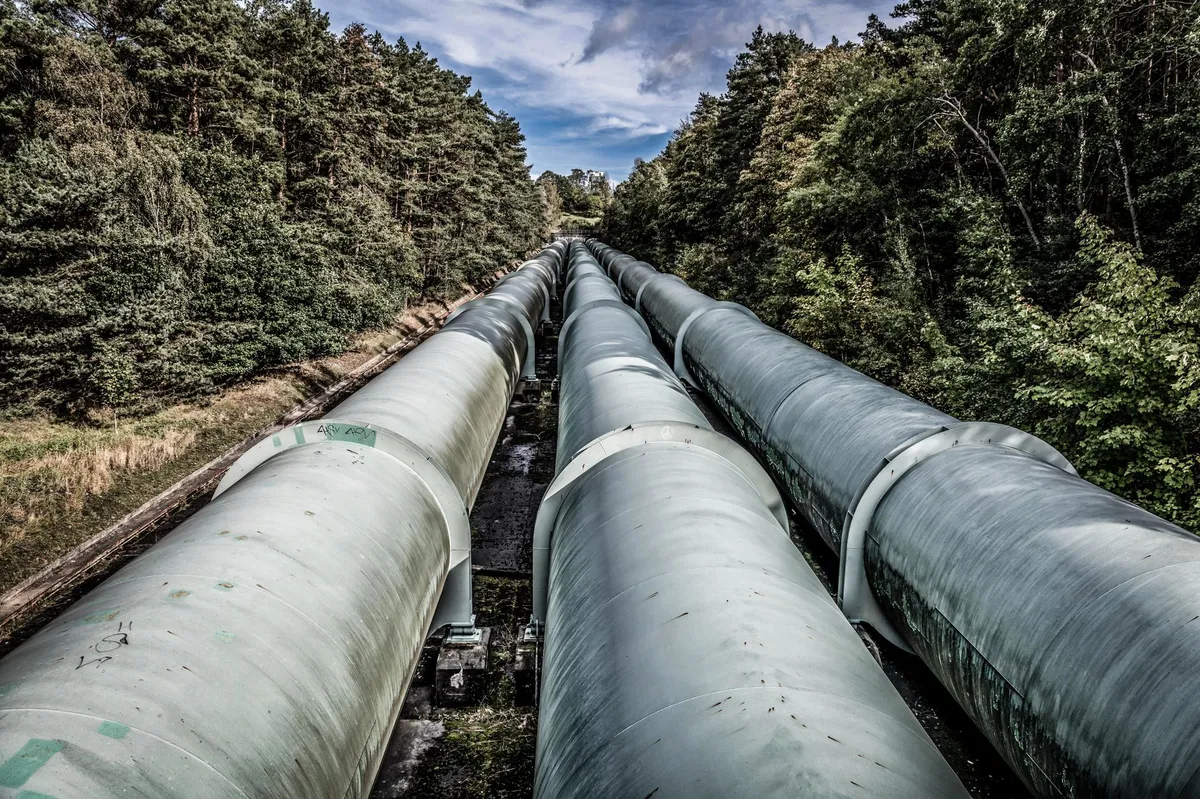
The ongoing legal battle surrounding Enbridge Energy's Line 5 pipeline has reached a critical juncture, as the Seventh Circuit Court recently ruled on the contested operations of the pipeline that traverses tribal lands in Wisconsin. This case is not merely a corporate legal dispute; it reflects the intricate interplay of environmental concerns, indigenous rights, and international treaties. While the court has mandated that Enbridge must take steps to reroute its pipeline, it has stopped short of an outright shutdown, raising pressing questions about the future of this controversial energy infrastructure.
On Thursday, the Seventh Circuit panel issued a ruling that acknowledged the serious issues surrounding Enbridge's trespassing on the Bad River Reservation, home to the Bad River Band of the Lake Superior Tribe of Chippewa Indians. U.S. Circuit Judge Michael Scudder emphasized that while the company must remove the pipeline from tribal allotments, the court's decision to allow a grace period for rerouting signifies a broader public context that complicates the legal landscape.
Understanding the Background of Line 5
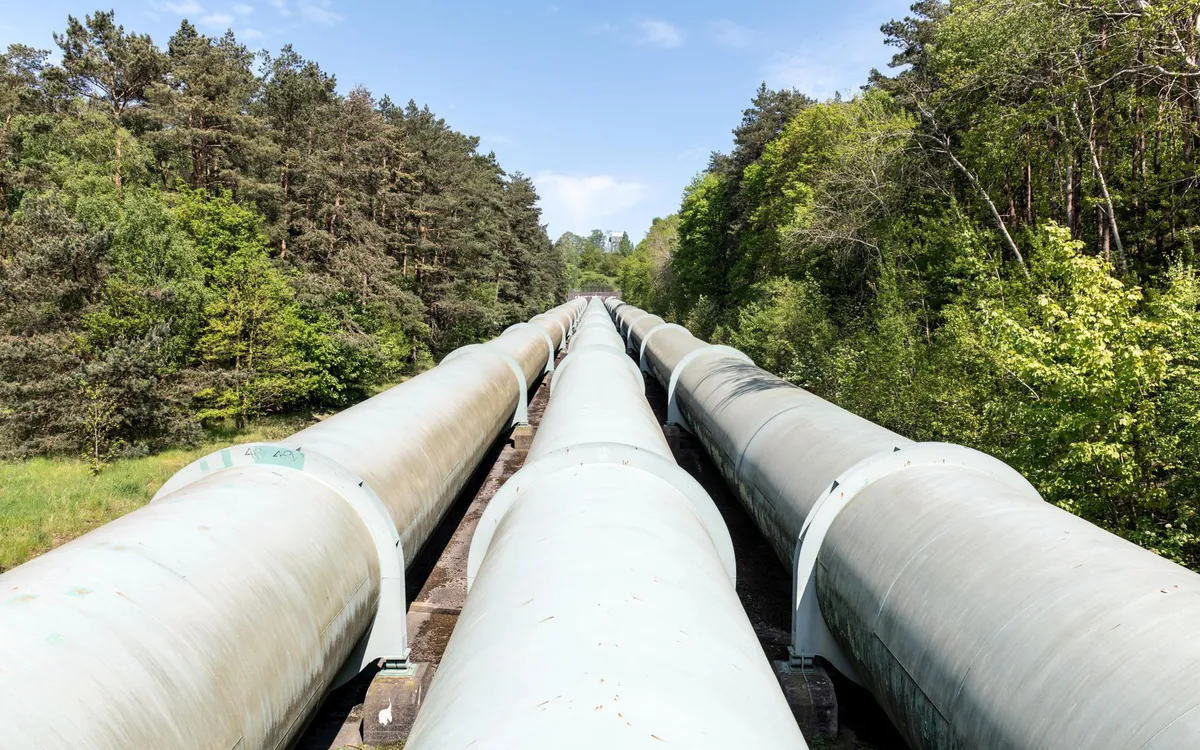
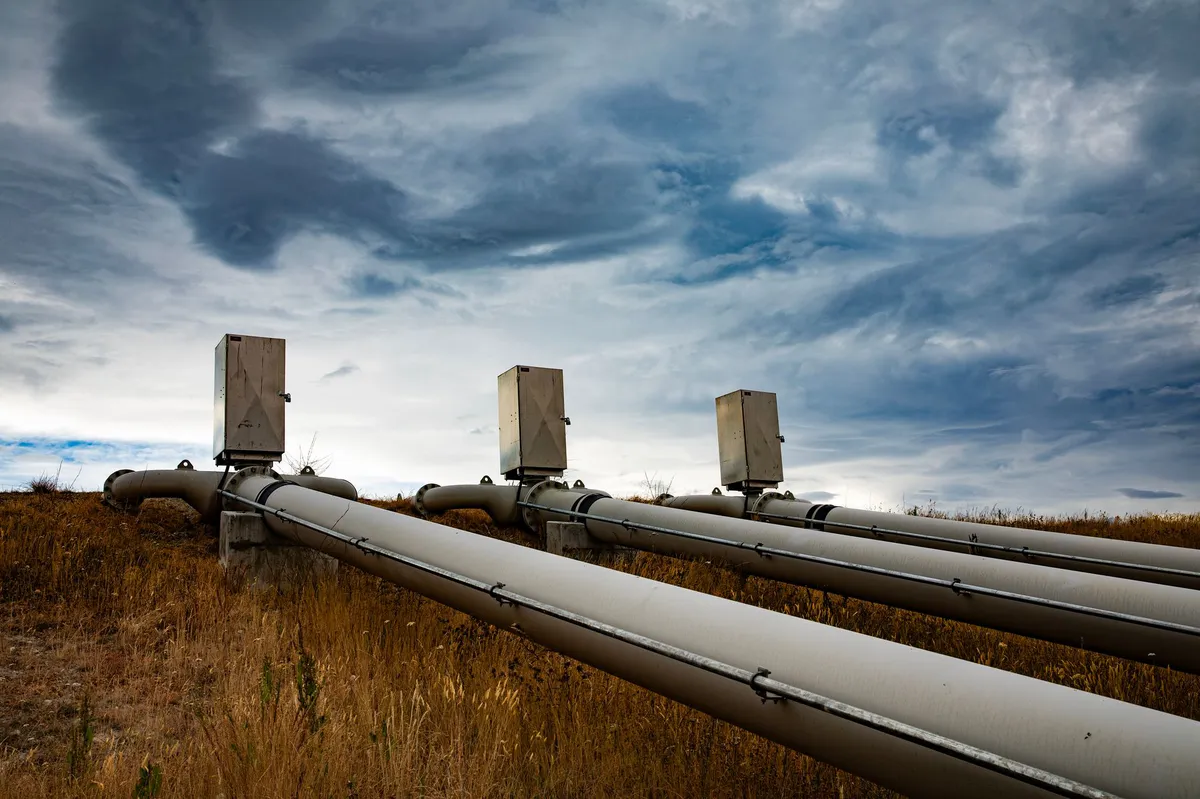
Enbridge's Line 5 is a significant 645-mile oil and gas pipeline that runs from the shores of Lake Superior through Wisconsin, across both Michigan peninsulas, and ultimately beneath the Straits of Mackinac to Ontario, Canada. This extensive pipeline has been a source of contention due to environmental concerns, including the potential for oil spills that could devastate the Great Lakes ecosystem.
Particularly contentious is the fact that Line 5 cuts through approximately 12 miles of land owned by the Bad River Band, which has been vocal in its demands for the pipeline's removal. The tribe argues that the presence of the pipeline not only violates their rights under the 1854 Treaty, which established the reservation but also poses significant risks to the local environment.
The Legal Framework: Treaties in Conflict
The current legal battle is complicated by the presence of two conflicting treaties. The 1854 Treaty granted the Bad River Band rights to their land, while the Transit Treaty between the U.S. and Canada aims to ensure the uninterrupted flow of hydrocarbons through pipelines like Line 5. This juxtaposition highlights a fundamental tension between the rights of indigenous peoples and the regulatory frameworks that govern international energy transport.
The Court's Ruling: A Mixed Bag
In June 2023, U.S. District Judge William Conley ruled that Enbridge must reroute Line 5 around the reservation within a three-year timeframe and ordered the company to pay over $5 million in damages for trespassing. Both the Bad River Band and Enbridge appealed this decision, leading to the Seventh Circuit's recent ruling.
While the Seventh Circuit agreed that the pipeline must be rerouted to protect the interests of the Bad River Band, it deemed the three-year deadline imposed by Conley as overly aggressive. Judge Scudder characterized this timeline as an abuse of discretion, reflecting the complexities involved in managing an infrastructure project of this scale amid environmental concerns.
Implications of Potential Shutdown
One of the most significant aspects of the ruling was the court's recognition of the potential international fallout from a complete shutdown of Line 5. The judges acknowledged that the situation is not merely a domestic concern but has broader implications for U.S.-Canada relations, particularly in terms of energy security and economic interests.
As Judge Scudder noted, the increasing erosion of the riverbanks poses a risk of pipeline rupture, which is a central concern for the Bad River Band. However, the court also emphasized that oversight and accountability mechanisms should be implemented to ensure Enbridge follows through on the necessary rerouting, rather than resorting to blunt measures like a total shutdown.

Rethinking Restitution and Accountability
The Seventh Circuit's ruling also addressed how restitution should be calculated concerning Enbridge's profits from the pipeline. The court found that Conley's method of assessing damages may have led to a double-counting of profits and economic benefits, necessitating a reevaluation of how these figures are determined moving forward.
This highlights the importance of accurate and fair restitution in cases involving corporate trespass and environmental harm. The ruling calls for a more straightforward approach, focusing either on the profits derived from operations on tribal lands or the benefits from alternative investments, but not both.
Environmental Concerns and Regulatory Oversight
Another critical element of the ruling was the discussion surrounding environmental safety and regulatory oversight. Judge Scudder pointed out that the Pipeline Safety Act designates a specialized agency to monitor and respond to risks associated with pipelines like Line 5, suggesting that the courts should not intervene where legislative frameworks already exist.
This raises an important question: to what extent should the judicial system involve itself in managing the risks associated with energy infrastructure? The court's position indicates a preference for regulatory bodies to handle these complex issues rather than relying on the courts' equitable powers.
Key Takeaways
- Seventh Circuit Ruling: The court mandates rerouting of Enbridge's Line 5 pipeline but stops short of an outright shutdown.
- Treaty Conflicts: The case highlights tensions between indigenous rights and international energy treaties.
- Environmental Risks: Erosion around the pipeline raises serious concerns about potential ruptures.
- Restitution Issues: Ruling calls for clearer methods of calculating damages owed to the Bad River Band.
- Regulatory Oversight: The court emphasizes the role of specialized agencies over judicial intervention in pipeline safety.
Frequently Asked Questions
What is Line 5 and why is it controversial?
Line 5 is a pipeline operated by Enbridge Energy that transports oil and gas from Canada through the U.S. to Michigan. Its controversy stems from environmental concerns, particularly the risk of spills affecting the Great Lakes, and its intersection with tribal lands, which raises issues of indigenous rights and treaty obligations.
How does the Seventh Circuit's ruling affect indigenous rights?
The Seventh Circuit's ruling acknowledges the rights of the Bad River Band under the 1854 Treaty while balancing these rights against the implications of shutting down a significant energy pipeline. While the court mandates the rerouting of the pipeline, it does not fully endorse the tribe's request for an immediate shutdown, reflecting the complexities involved in legal and environmental considerations.
What are the potential implications of a pipeline shutdown?
A complete shutdown of Line 5 could have significant repercussions, not just for the Bad River Band but also for U.S.-Canada relations, energy security, and local economies reliant on the pipeline. The Seventh Circuit recognized these broader implications and opted for a more measured approach focused on rerouting rather than an outright closure.
How will restitution be calculated moving forward?
The court's ruling indicates that restitution calculations need to be clarified to avoid double-counting profits. This suggests that future assessments may focus on either the economic benefits derived from the pipeline's operations or alternative investments, emphasizing the need for a fair and accurate restitution process.
Disclaimer: This article provides general information and is not intended as legal advice.
Comments
Judge Questions Pentagon's Labeling of Anthropic as Supply Chain Risk
A federal judge is poised to block the Pentagon from designating AI firm Anthropic as a 'supply chain risk'. This case raises significant First Amendment issues and questions of trust in government contracts.

Related articles



Popular in Business Law
- Supreme Court Justices' Financial Disclosures: A Closer Look
- Vishal Garg's Leadership Fallout: The Rise and Fall of Better.com
- Former Intelligence Official Faces Penalty for Post-Government Misconduct
- Blank Rome Faces Lawsuit After Major Data Breach Exposes Personal Information
- John Oliver vs. Buc-ee's: A Legal Showdown Over Mascots