Understanding the Legal Implications of Town Abandonment: The Case of Hartman
The abandonment of Hartman, Colorado, raises critical legal questions about property rights and municipal governance. This article explores the implications for residents and stakeholders.
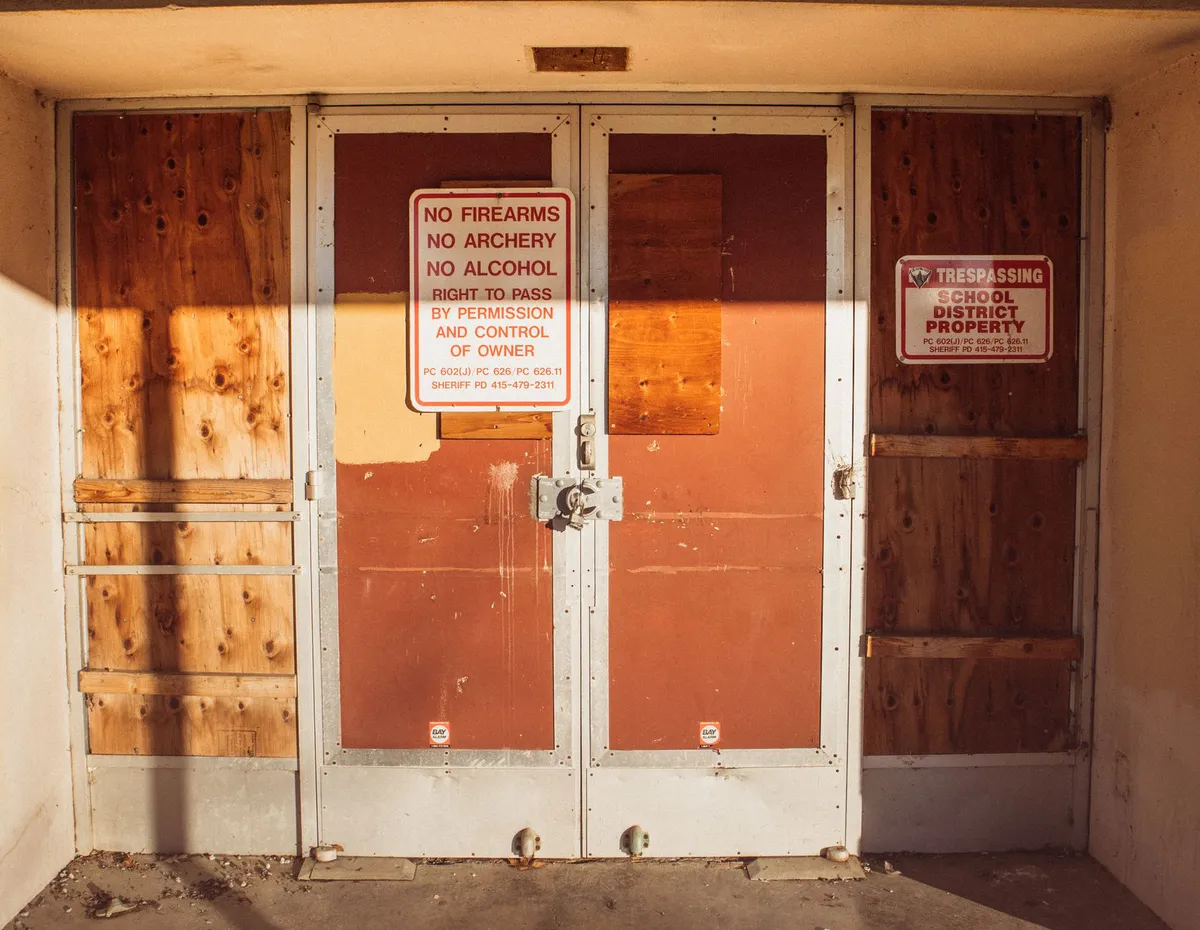
The recent legal abandonment of Hartman, Colorado, has sparked discussions about municipal governance and property rights. As authorities move to officially declare the town abandoned, many stakeholders are left grappling with the implications of this decision. This article delves into the legal ramifications of such a move, the history of Hartman, and the broader context of town abandonment in the United States.
The Historical Context of Hartman
Founded in the early 20th century, Hartman was once a thriving community in Prowers County, Colorado. Like many small towns, it experienced economic cycles influenced by agricultural trends, population shifts, and industrial developments. As time progressed, Hartman saw a decline in its population, leading to reduced municipal resources and services. By the early 21st century, the town had dwindled to a point where its viability as a functioning municipality was in question.

The Legal Process of Abandonment
Abandonment of a town is a complex legal process that involves multiple steps and considerations. In Colorado, the procedure is often initiated by a formal petition to the state, which must be reviewed by appropriate governmental bodies. Key factors considered during this process include:
- Population Levels: A significant and sustained decline in population can trigger abandonment proceedings.
- Municipal Services: The inability to provide basic services like water, sewage, and emergency response is critical.
- Financial Viability: The town’s financial health, including debts and assets, is scrutinized.
Upon the completion of the review, if abandonment is deemed appropriate, an official order is issued. Such was the case with Hartman, where the state has moved to finalize its abandonment.

Who is Affected by Town Abandonment?
The consequences of a town's abandonment extend beyond just the residents who may be left without a community. Several groups are significantly impacted:
Current Residents
For those still living in Hartman, abandonment can lead to a loss of property value and an uncertain future. Residents may face challenges in selling their homes or accessing essential services.
Property Owners
Property owners within the abandoned area may also find themselves in a precarious situation. Without municipal support, they may struggle to maintain properties or pay taxes on land that has significantly lost its value.
Local Businesses
Local businesses that once thrived on community patronage will likely see a decline in customers, further exacerbating the economic downturn.

Legal Implications for Property Rights
The abandonment of a town raises important questions about property rights. When a town is officially abandoned, the state often takes over certain responsibilities, which can lead to:
- Changes in Ownership: Properties may be sold at auction or transferred to the state.
- Zoning Changes: Abandoned areas may be re-zoned for different uses, impacting existing property owners.
- Liabilities and Debts: Property owners might still be liable for debts associated with their properties, even after abandonment.
It is crucial for property owners and residents to understand their rights and responsibilities in the wake of such announcements.
Broader Context of Town Abandonment in the U.S.
The case of Hartman is not unique; many small towns across the United States face similar fates. Economic shifts, population migration to urban areas, and changing industry demands contribute to the decline of small municipalities. In recent years, the phenomenon of town abandonment has become increasingly prominent, prompting lawmakers to consider measures to assist struggling communities or facilitate smoother transitions in cases of abandonment.

Key Takeaways
- The abandonment of Hartman, Colorado, highlights significant legal and social issues.
- Residents and property owners face serious implications regarding property rights and values.
- Understanding the legal process of abandonment is essential for affected parties.
- The phenomenon of town abandonment is a growing issue in the U.S., affecting many small communities.
Frequently Asked Questions
What are the reasons for a town's abandonment?
A town may face abandonment due to a significant decline in population, lack of financial resources, and inability to provide essential municipal services. Economic downturns and shifting demographics often contribute to this phenomenon.
How does abandonment affect property values?
Abandonment typically leads to a decline in property values as the community loses its appeal and viability. Properties may become difficult to sell, and owners may face challenges in maintaining their properties.
What steps can residents take after a town is abandoned?
Residents should seek legal advice to understand their rights and explore options for their property. They may also engage with local advocacy groups to address challenges resulting from the abandonment.
Are there any legal protections for property owners in abandoned towns?
While property owners retain certain rights, they may also face new challenges, including potential zoning changes and liabilities for property taxes or debts. Legal protections can vary by state, so it is essential to consult with an attorney familiar with local laws.
This content is general information and not legal advice.
Comments
Judge Questions Pentagon's Labeling of Anthropic as Supply Chain Risk
A federal judge is poised to block the Pentagon from designating AI firm Anthropic as a 'supply chain risk'. This case raises significant First Amendment issues and questions of trust in government contracts.

Related articles






Popular in Business Law
- Supreme Court Justices' Financial Disclosures: A Closer Look
- Vishal Garg's Leadership Fallout: The Rise and Fall of Better.com
- Former Intelligence Official Faces Penalty for Post-Government Misconduct
- Blank Rome Faces Lawsuit After Major Data Breach Exposes Personal Information
- Congress Faces Reckoning Over Member-Staff Relationships