The Value of Proprietary Content in an AI-Driven Landscape
As artificial intelligence reshapes industries, protecting proprietary content becomes crucial. This article explores the implications for businesses navigating this new terrain.

In today’s fast-evolving digital landscape, the advent of artificial intelligence (AI) has brought both tremendous opportunities and significant challenges for businesses. As AI technologies become increasingly capable of generating and manipulating content, organizations must take a proactive stance in protecting their proprietary material. This article delves into the importance of proprietary content in an AI era, offering insights into the legal protections available, the potential risks, and strategies to safeguard intellectual assets.
The Shift to an AI-Driven Economy
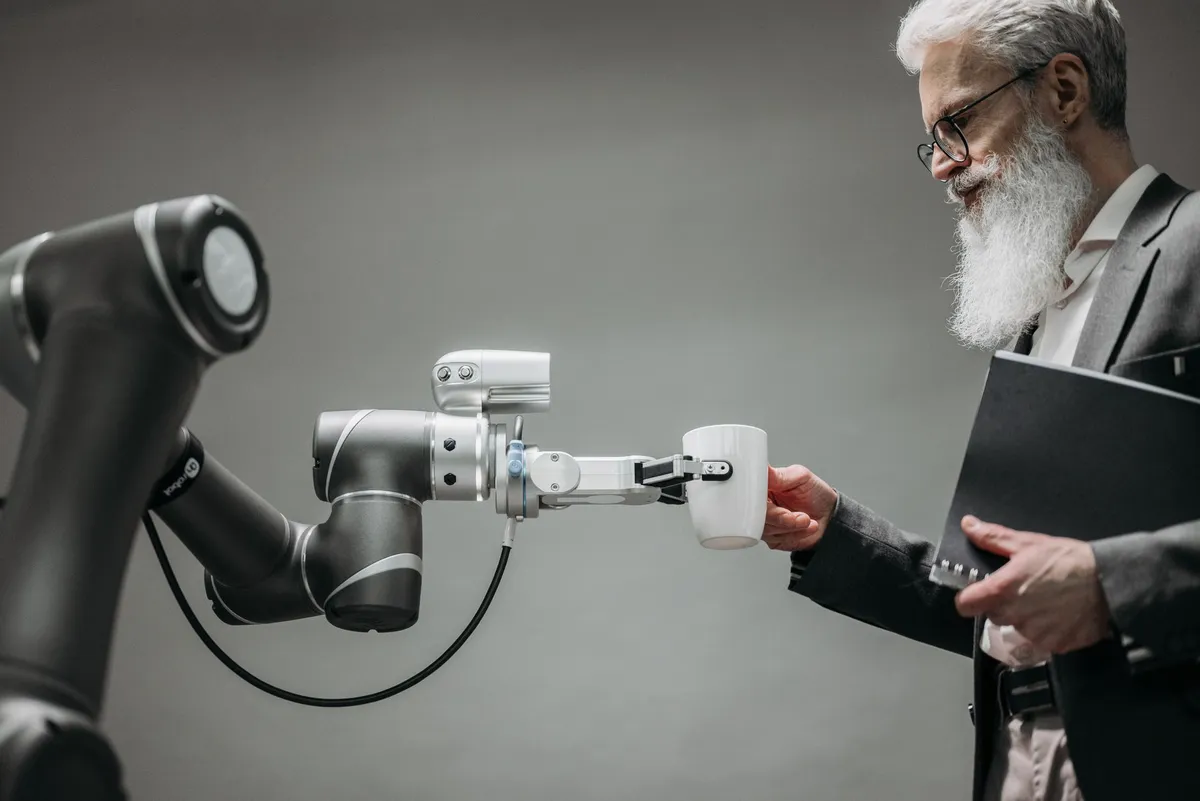
Artificial intelligence is not just a buzzword; it is a transformative force changing how businesses operate across various sectors. From automating mundane tasks to generating complex algorithms for data analysis, AI systems are becoming essential tools for enhancing productivity and efficiency. However, this technological advancement raises critical questions regarding ownership and the protection of proprietary content. As AI can now create text, images, and even music, the line between original content and AI-generated material becomes increasingly blurred.
Understanding Proprietary Content
Proprietary content refers to any intellectual property that a company creates and owns, including written materials, designs, software, and unique processes. In the context of AI, proprietary content is crucial for maintaining competitive advantages. This content can take various forms:
- Creative Works: Articles, blogs, and marketing materials that convey brand identity.
- Software and Algorithms: Unique code developed to perform specific functions that differentiate a company in the marketplace.
- Research and Data: Proprietary research findings and databases that inform business strategies.
In an era where AI can replicate and modify content quickly, understanding what constitutes proprietary material and ensuring its protection is vital for businesses aiming to thrive.
Legal Protections for Proprietary Content
Protecting proprietary content in the age of AI requires a multifaceted approach, leveraging various legal frameworks. Key legal protections include:
Copyright
Copyright law protects original works of authorship, such as written content, artwork, and music. In the context of AI, businesses must ensure that the content they produce is registered and that any AI-generated content does not infringe on existing copyrights.
Trademarks
Trademarks safeguard brand identifiers, including logos, slogans, and brand names. In a competitive digital landscape, maintaining strong trademarks is essential to prevent dilution and misuse by others.
Trade Secrets
Trade secrets encompass confidential business information that provides a competitive advantage. Businesses must implement strict confidentiality measures to protect their trade secrets from being disclosed or exploited by competitors.
The Risks of Inadequate Protection
Failing to protect proprietary content can lead to severe consequences for businesses. Some of the potential risks include:
- Intellectual Property Theft: Competitors may exploit unprotected content, resulting in lost revenue and market position.
- Legal Liabilities: Companies may face lawsuits for copyright infringement if they utilize AI-generated content that inadvertently copies existing works.
- Brand Reputation Damage: Unauthorized use of proprietary content can lead to confusion in the marketplace, damaging a brand’s reputation.
The stakes are high, and businesses must prioritize the protection of their intellectual property to mitigate these risks.
Strategies for Safeguarding Proprietary Content
Effective strategies to protect proprietary content in an AI landscape include:
1. Regular Audits
Conducting regular audits of your content can help identify potential vulnerabilities and ensure all proprietary material is adequately protected.
2. Training Employees
Educating employees about the importance of intellectual property protection and the risks associated with AI-generated content can foster a culture of awareness and vigilance.
3. Legal Consultation
Engaging legal experts who specialize in intellectual property can provide invaluable guidance on how to navigate the complexities of copyright, trademark, and trade secret laws.
4. Utilizing Technology
Implementing technology solutions to monitor content usage and detect potential infringements can help businesses stay ahead of potential threats.

Key Takeaways
- Proprietary content is vital for maintaining a competitive edge in an AI-driven economy.
- Legal protections, including copyright, trademarks, and trade secrets, are essential for safeguarding intellectual property.
- Businesses must actively mitigate the risks associated with inadequate protection of proprietary content.
- Implementing effective strategies, including employee training and legal consultation, can enhance content protection.
Frequently Asked Questions
What types of content are considered proprietary?
Proprietary content can encompass a variety of materials created by a business, including written works, software, designs, and research data. Essentially, any original work that provides a competitive advantage and is not publicly available can be classified as proprietary content.
How can businesses protect their proprietary content from AI misuse?
To protect proprietary content from AI misuse, businesses should implement a combination of legal protections, such as copyright and trademarks, alongside robust internal policies to safeguard sensitive information. Regular audits and employee training can also play a critical role in maintaining the integrity of proprietary content.
What are the consequences of not protecting proprietary content?
Failure to protect proprietary content can lead to intellectual property theft, legal liabilities, and damage to a company’s reputation. Without adequate safeguards, businesses risk losing their competitive edge and facing costly legal disputes.
Can AI-generated content be copyrighted?
In the United States, copyright law requires a certain level of human authorship for a work to be protected. Therefore, while AI-generated content can be innovative, its copyrightability remains a complex and evolving issue that businesses should carefully consider, especially when utilizing AI tools.
Comments
Tarter Krinsky & Drogin Launches AI and Innovation Office to Transform Legal Services
Tarter Krinsky & Drogin has inaugurated its Office of AI and Innovation, appointing John Keary as Director. This initiative aims to enhance legal operations through responsible AI integration.

Related articles





Popular in Business Law
- Supreme Court Justices' Financial Disclosures: A Closer Look
- Vishal Garg's Leadership Fallout: The Rise and Fall of Better.com
- Former Intelligence Official Faces Penalty for Post-Government Misconduct
- Blank Rome Faces Lawsuit After Major Data Breach Exposes Personal Information
- Congress Faces Reckoning Over Member-Staff Relationships