Ten Commandments in Schools: A Constitutional Clash Heads to SCOTUS
As the Supreme Court prepares to hear a case regarding the display of the Ten Commandments in public schools, the debate over church-state relations intensifies. This article explores the implications for religious freedom, historical precedent, and the broader context of American law.
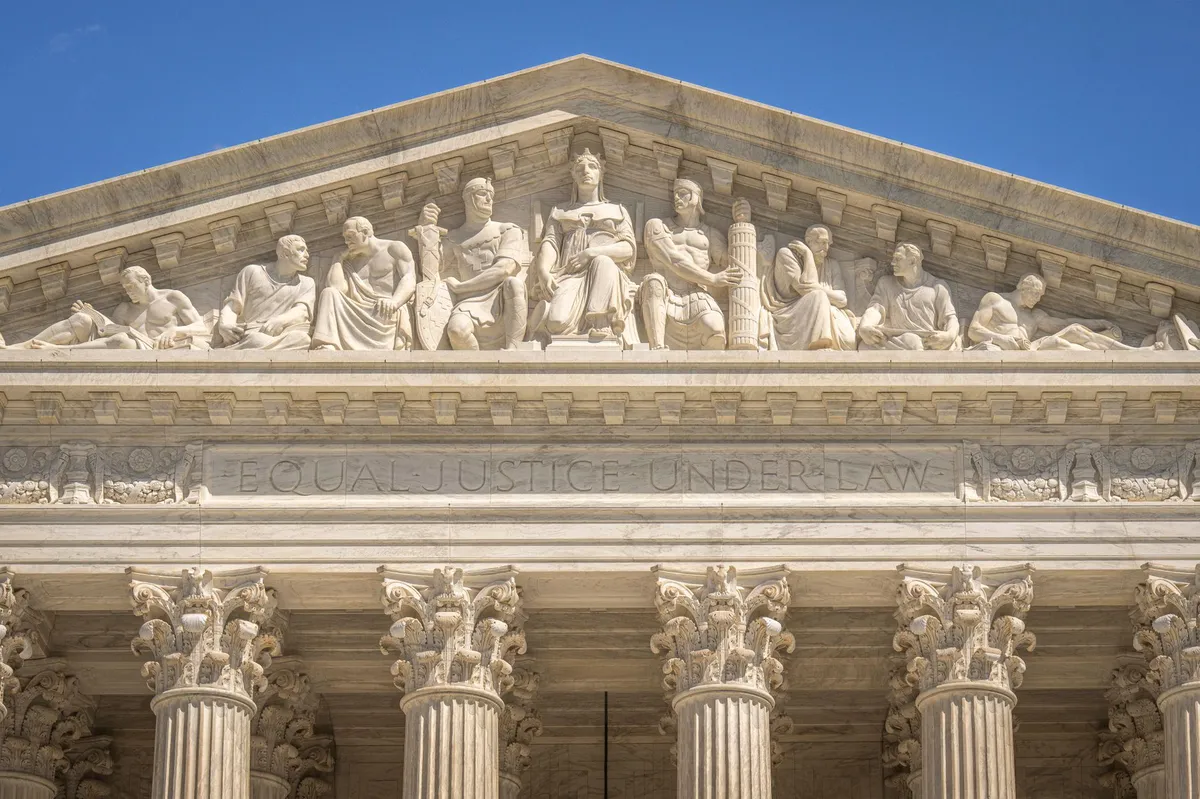
The ongoing legal battle over the display of the Ten Commandments in public schools has captured national attention, raising complex questions about the intersection of religion and government in the United States. As conservative states advocate for the inclusion of these religious texts in classrooms, a coalition of multifaith families in Texas prepares to challenge this move in the Supreme Court. Their case centers on the First Amendment's establishment clause, which prohibits the government from favoring one religion over another.
This imminent court case is not merely a legal formality; it represents a significant moment in America's evolving understanding of church-state relations. With the Supreme Court leaning toward originalist interpretations of the Constitution, the outcome could reshape how religious displays in public institutions are viewed under U.S. law.
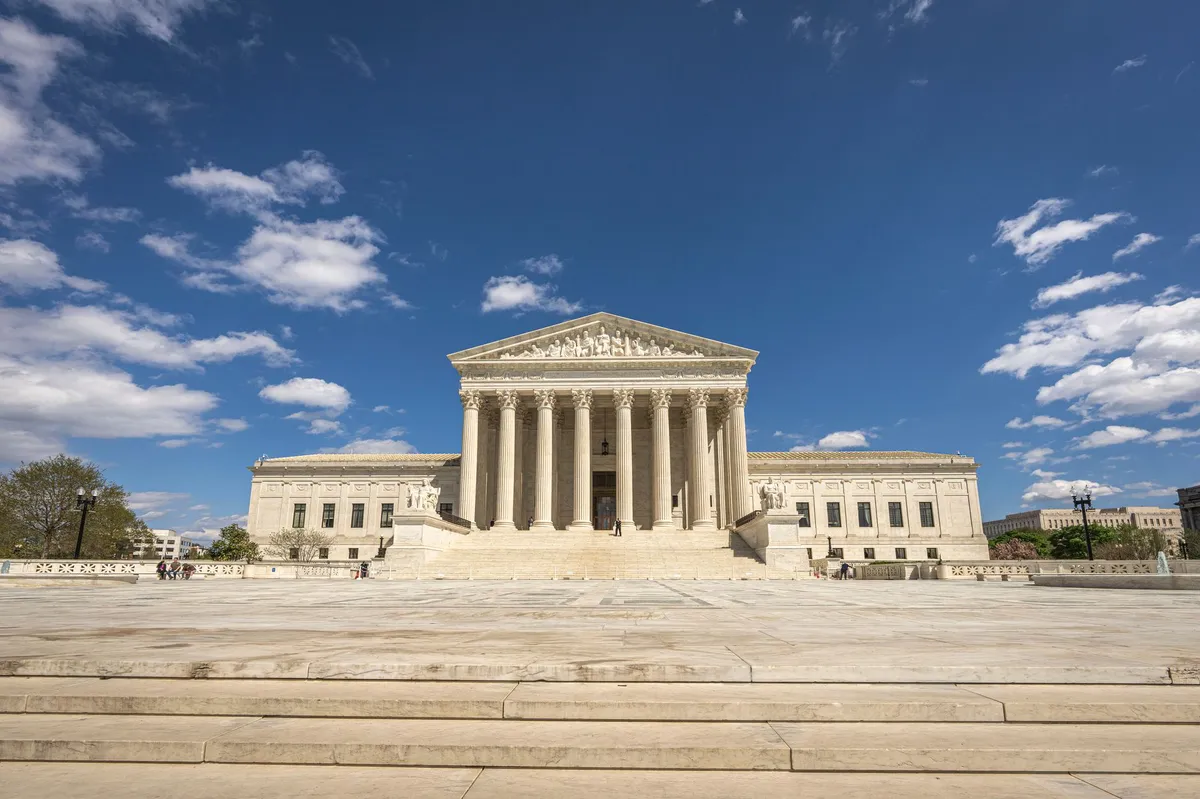
Understanding the Legal Landscape
The legal backdrop for this case is steeped in over four decades of precedent that has generally prohibited religious displays in public schools. The landmark case of Stone v. Graham in 1980 set a critical precedent when the Supreme Court ruled against a Kentucky law that mandated the posting of the Ten Commandments in public classrooms. The Court held that such displays were inherently religious and thus violated the establishment clause of the First Amendment.
Fast forward to the present, the legal landscape has shifted, particularly following the Supreme Court's recent decision in Kennedy v. Bremerton School District. This ruling effectively overturned the Lemon test, a longstanding legal framework used to evaluate whether government actions violate the establishment clause. In the wake of this shift, the Fifth Circuit Court of Appeals ruled in favor of Texas' law, suggesting that prior decisions like Stone may no longer be applicable.
Key Legal Principles
- Establishment Clause: Part of the First Amendment, this clause prohibits Congress from establishing a religion or favoring one religion over another.
- Lemon Test: A three-pronged test established in Lemon v. Kurtzman to evaluate whether a law or government action violates the establishment clause.
- Originalism: A judicial philosophy that interprets the Constitution based on its original meaning at the time it was enacted.
The implications of these legal principles will be critical as the Supreme Court hears arguments about whether the display of the Ten Commandments aligns with the founders' intent regarding the separation of church and state.

The Founders' Intent and Historical Context
The current debate also delves into the historical context of the founders' views on religion and government. Advocates for the display of the Ten Commandments argue that the founders did not intend for a strict separation of church and state. For example, Joe Davis, senior counsel at the Becket Fund for Religious Liberty, contends that the founders were aware of the dangers of state-established religions and believed that the government should not dictate religious practices.
However, critics argue that the founders, including Thomas Jefferson, advocated for a clear separation. Jefferson famously described a "wall of separation" between church and state, a metaphor that has become a cornerstone of the debate over religious expression in public spaces. The ACLU and other organizations opposing the Texas law emphasize that the founders' intent was to protect religious freedom for all, not to endorse specific religious beliefs through government institutions.
Historical Precedent
In light of historical precedent, the ACLU's position is supported by a long-standing tradition of protecting individual rights against government-sponsored religious practices. The Stone ruling serves as a critical reference point, as it established that religious displays in public schools could be coercive and infringe upon students’ rights to exercise their religious beliefs freely.
Public Opinion and Cultural Dynamics
The push for displaying the Ten Commandments in public school classrooms is also reflective of broader cultural dynamics in the United States. Proponents, including some conservative lawmakers and religious organizations, argue that the Ten Commandments represent foundational moral principles that should be part of educational curricula. They assert that teaching these values can contribute to the moral education of children.
Conversely, opponents assert that such measures represent an attempt to convert children to Christianity, thereby undermining the diversity of beliefs that exist in a pluralistic society. Critics, including ACLU's Heather Weaver, argue that the law promotes a specific religious viewpoint and can alienate students who come from different faith backgrounds.
Majority Rule and Minority Rights
The debate raises fundamental questions about majority rule versus minority rights in the context of public education. Vice President JD Vance has defended the Texas law by claiming that Christianity represents the majority religion in the U.S. and therefore should be acknowledged in public schools. However, this perspective raises concerns about the potential marginalization of students who identify with minority religions or who hold secular beliefs.
Legal experts warn that such majority-driven policies can lead to a slippery slope where the government may favor the beliefs of one group over another, ultimately infringing on the religious freedoms of all citizens. The founding principle of religious neutrality in governance was established to protect minority groups from being coerced into conforming to the majority's beliefs.

Implications for Future Cases and Legal Frameworks
As the Supreme Court prepares to hear the Texas case, the implications extend beyond this specific legal battle. A ruling in favor of the Ten Commandments display could set a precedent that allows for more religious expression in public schools, potentially leading to further challenges to the establishment clause. Conversely, a ruling against the law could reinforce the long-held interpretation of the establishment clause and protect the rights of students to learn in a secular environment.
Legal scholars are closely monitoring how the Supreme Court will balance historical context with contemporary values, particularly in light of its recent shift towards originalist interpretations. The outcome could redefine the legal standards applied to religious displays in public institutions and influence future cases surrounding church-state relations.
Key Takeaways
- The Supreme Court is set to review a case involving the display of the Ten Commandments in Texas public schools, challenging the establishment clause of the First Amendment.
- This legal battle reflects a broader cultural conflict over church-state relations and the interpretation of the founders' intent.
- The outcome could have significant implications for the future of religious expression in public education and the rights of minority faiths.
- Public opinion on this issue is deeply divided, reflecting the complexities of religious freedom in a pluralistic society.
Frequently Asked Questions
What is the establishment clause of the First Amendment?
The establishment clause prohibits the government from establishing a religion or favoring one religion over another. This clause is a fundamental aspect of American law and is intended to ensure that individuals can freely practice their faith without government interference.
How does the Supreme Court decide on cases related to church-state relations?
The Supreme Court examines the historical context, legal precedents, and the Constitution's text when deciding cases involving church-state relations. The court also considers public sentiment and the potential implications of its rulings on society as a whole.
What are the potential outcomes of the Texas Ten Commandments case?
A ruling in favor of the Texas law could set a precedent for increased religious displays in public schools, while a ruling against it could reinforce the establishment clause's protective measures. The decision is expected to have widespread implications for religious freedom and public education.
How can individuals advocate for their beliefs in public schools?
Individuals can advocate for their beliefs by participating in local school board meetings, engaging in community discussions about educational content, and supporting organizations that promote religious freedom and diversity in education.
This content is general information, not legal advice.
Comments
Tarter Krinsky & Drogin Launches AI and Innovation Office to Transform Legal Services
Tarter Krinsky & Drogin has inaugurated its Office of AI and Innovation, appointing John Keary as Director. This initiative aims to enhance legal operations through responsible AI integration.

Related articles






Popular in Business Law
- Supreme Court Justices' Financial Disclosures: A Closer Look
- Vishal Garg's Leadership Fallout: The Rise and Fall of Better.com
- Former Intelligence Official Faces Penalty for Post-Government Misconduct
- Blank Rome Faces Lawsuit After Major Data Breach Exposes Personal Information
- Congress Faces Reckoning Over Member-Staff Relationships