Supreme Court's Approval Rating Falls to Historic Low: What It Means for America
The U.S. Supreme Court's approval rating has plummeted to an all-time low, raising concerns about public trust in the judicial system. This decline reflects broader societal issues and has implications for the future of legal and political discourse in America.
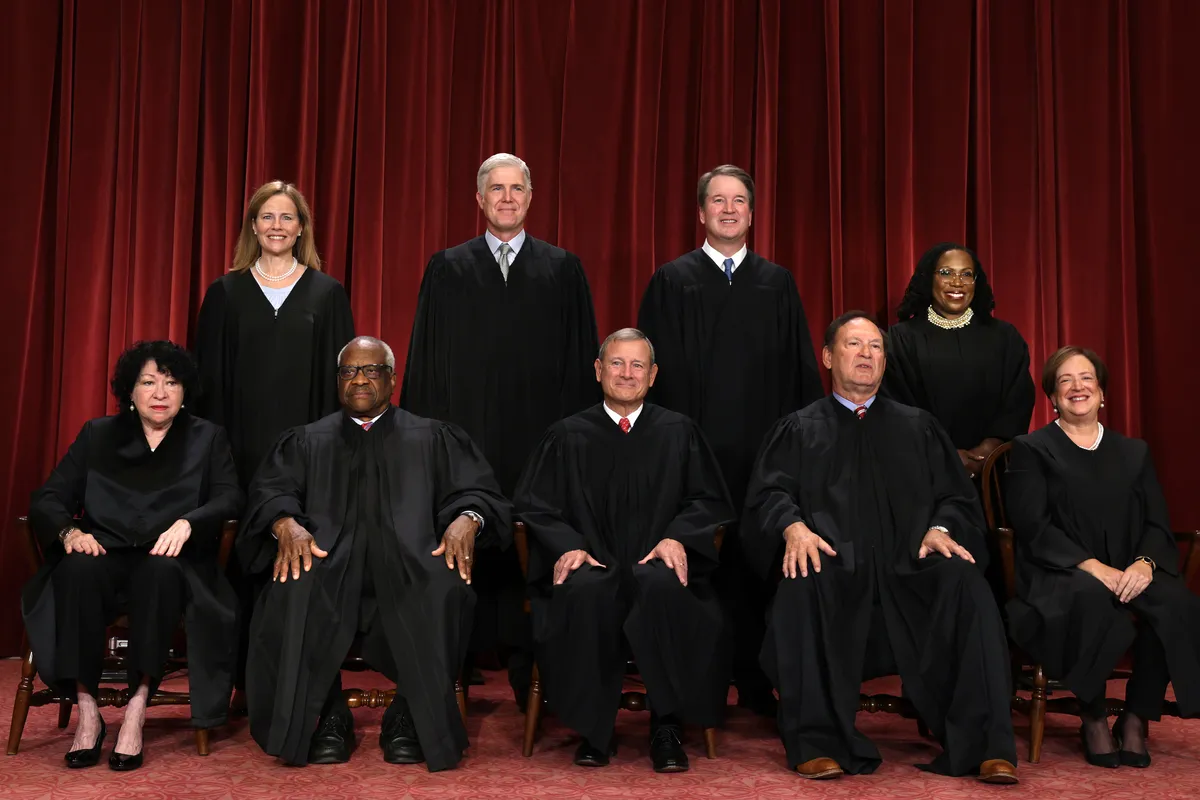
The U.S. Supreme Court, the highest judicial body in the nation, has recently recorded a significant drop in public approval, reaching an all-time low. This decline in confidence comes at a time when the Court's decisions increasingly impact various aspects of American life, from healthcare and education to civil rights and environmental regulations. The erosion of trust in this esteemed institution raises critical questions about the future of the judiciary and the broader implications for democracy in the United States.
Historically, the Supreme Court has been seen as a stabilizing force, an institution that interprets the Constitution and upholds the rule of law. However, the latest surveys indicate that less than 40% of Americans express a favorable view of the Court, a stark contrast to previous years when approval ratings hovered around 60% or more. This downward trend not only reflects dissatisfaction with specific rulings but also signals deeper societal divisions and concerns about the impartiality of the judiciary.
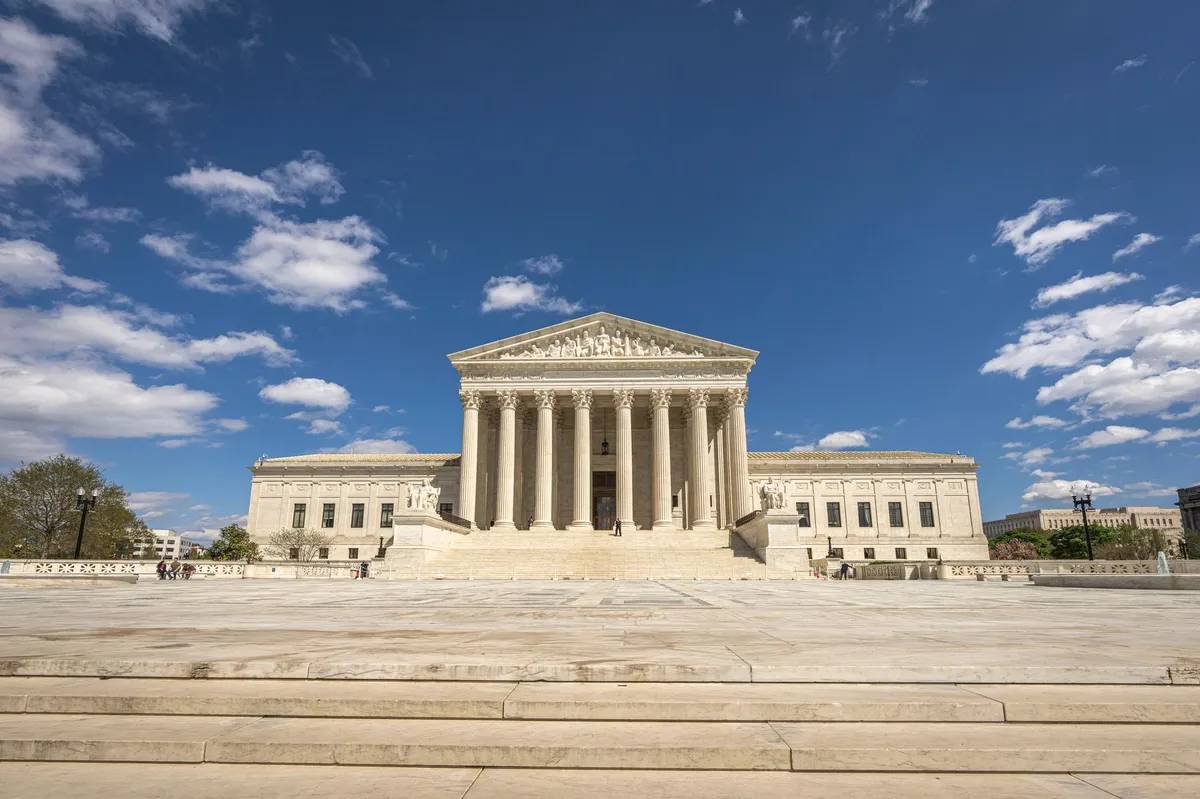
The Factors Behind the Decline
A multitude of factors contributes to the Supreme Court's declining approval ratings. Some of the most notable include:
- Contentious Rulings: Recent rulings on key issues, such as abortion rights, gun control, and voter access, have polarized public opinion. Decisions perceived as politically motivated can lead to public disillusionment.
- Judicial Confirmations: The contentious process of judicial confirmations, particularly during the Trump administration, has raised concerns about partisanship within the Court. The appointment of justices who are seen as aligning with specific political ideologies further fuels skepticism.
- Media Representation: The portrayal of the Supreme Court in media narratives can also shape public perception. Highlighting divisive cases and controversies can foster a negative image and contribute to declining trust.
Public Perception and Media Influence
The media plays a crucial role in shaping public perception of the Supreme Court. Coverage that emphasizes the political ramifications of Supreme Court decisions can create an impression that the Court is less an impartial arbiter and more a political entity. This shift in perception is particularly significant in an era where the Court's rulings can swing major policy issues either way, often reflecting the current political climate.

Implications of Low Approval Ratings
The implications of the Supreme Court's low approval ratings are profound and multi-faceted. A judiciary that lacks public confidence faces challenges in enforcing its rulings and maintaining the rule of law. Here are some potential consequences:
- Increased Challenges to Authority: As public trust wanes, individuals and groups may become more willing to challenge or ignore Court rulings, leading to a potential erosion of the legal framework that governs society.
- Legislative Backlash: Lawmakers may respond to low public approval by altering the structure or powers of the Court, potentially leading to proposals for term limits for justices or changes in the confirmation process.
- Long-term Impact on Judicial Independence: If the perception of partisanship continues to grow, it may lead to calls for reforms aimed at restoring independence and credibility to the judiciary.
The Role of Civic Engagement
Given the Supreme Court's declining approval rating, it is essential for citizens to engage in civic discourse and advocate for judicial accountability. By participating in discussions about the judiciary, voting for representatives who prioritize judicial integrity, and supporting initiatives that promote transparency, the public can help restore faith in the institution.

Looking Ahead: Restoring Trust in the Judiciary
As the Supreme Court navigates these tumultuous waters, the question remains: how can trust in the judiciary be restored? Several strategies may help rebuild public confidence:
- Enhancing Transparency: Clear communication about the Court's decision-making process and the rationale behind rulings can demystify its operations and foster understanding.
- Promoting Diversity: Ensuring that the Court reflects the diversity of the nation can help bridge the gap between the judiciary and the public, making it more relatable.
- Public Education Initiatives: Programs aimed at educating the public about the role of the Supreme Court and the judicial system can empower citizens and foster a more informed electorate.
Key Takeaways
- The Supreme Court's approval rating has dropped below 40%, a historic low.
- Contentious rulings and perceptions of partisanship contribute to declining trust.
- Low approval ratings may lead to challenges against the Court's authority and calls for reform.
- Civic engagement and transparency are crucial in restoring public confidence.
Frequently Asked Questions
What are the implications of low approval ratings for the Supreme Court?
Low approval ratings can lead to a lack of respect for the Court's authority, with citizens becoming more likely to challenge or disregard its rulings. This situation can create a cycle of mistrust that undermines the rule of law and the effectiveness of the judicial system.
How can citizens engage with the issues surrounding the Supreme Court?
Citizens can engage by participating in discussions about judicial issues, advocating for legislative reforms that enhance transparency and accountability, and voting for representatives who prioritize the integrity of the judiciary. Civic education programs can also empower individuals to better understand the Court's role and decisions.
Could public pressure lead to judicial reforms?
Yes, sustained public pressure can lead to legislative changes aimed at reforming the judiciary. Historical precedents show that public sentiment can influence lawmakers to consider reforms such as term limits for justices or altering the confirmation process to ensure a more balanced judiciary.
Comments
Tarter Krinsky & Drogin Launches AI and Innovation Office to Transform Legal Services
Tarter Krinsky & Drogin has inaugurated its Office of AI and Innovation, appointing John Keary as Director. This initiative aims to enhance legal operations through responsible AI integration.

Related articles






Popular in Business Law
- Supreme Court Justices' Financial Disclosures: A Closer Look
- Vishal Garg's Leadership Fallout: The Rise and Fall of Better.com
- Former Intelligence Official Faces Penalty for Post-Government Misconduct
- Blank Rome Faces Lawsuit After Major Data Breach Exposes Personal Information
- Congress Faces Reckoning Over Member-Staff Relationships