Market Volatility Amidst Oil Price Surge and Tariff Threats
Heightened tensions with Iran and fluctuating oil prices have caused significant market shifts this week. As energy prices soar, Wall Street faces challenges, with new tariffs looming on the horizon.
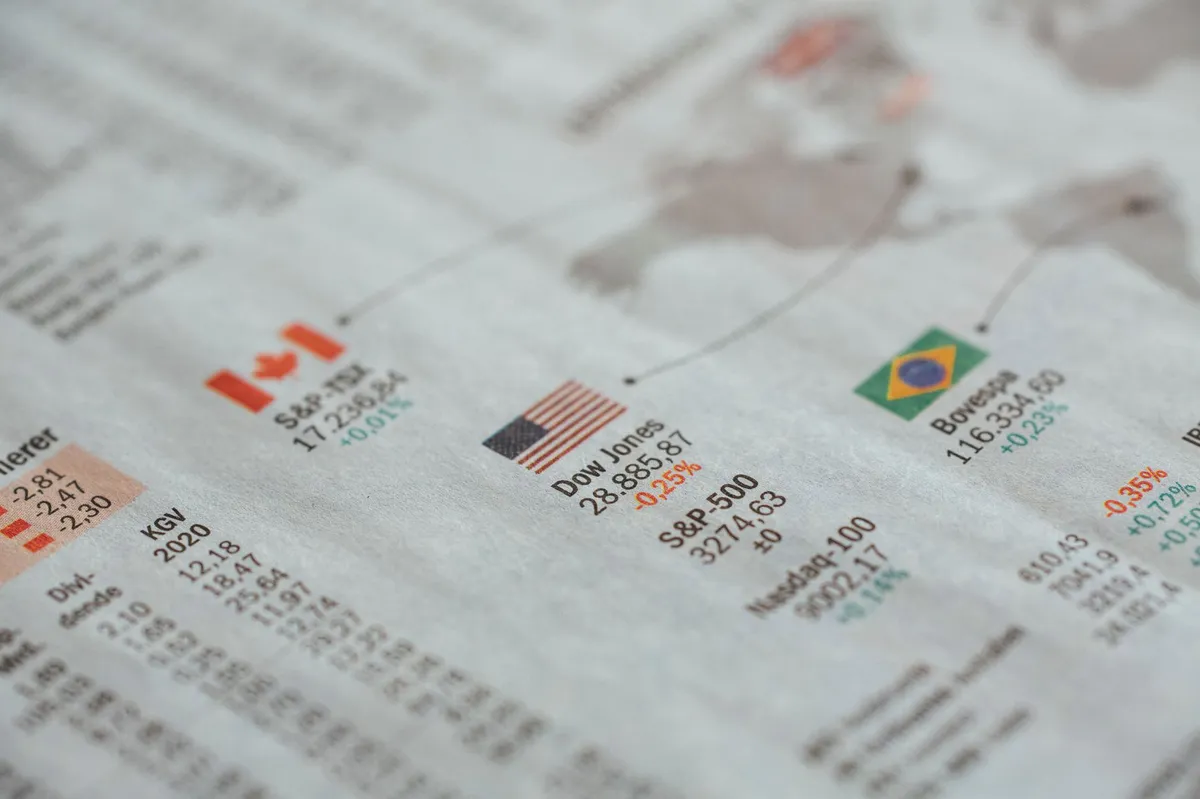
As the global economy continues to navigate a complex landscape, recent developments have thrown Wall Street into a state of uncertainty. A combination of rising oil prices, escalating tensions with Iran, and a new wave of tariffs have stirred market volatility and caused investors to reconsider their positions. This week, the situation escalated dramatically, particularly with oil prices reaching significant highs due to geopolitical tensions.
The price of Brent crude oil surged over $10 early in the week after the Houthis, a militant group based in Yemen, announced intentions to block vital shipping lanes in the Red Sea. This threat materialized on Thursday when the Houthis targeted tankers off the Saudi Arabian coast, sending Brent crude prices soaring to over $100 per barrel. Such spikes in energy prices have far-reaching implications, not only for consumers at the pump but also for the broader economy, as rising energy costs can trigger inflationary pressures.

Market Reaction to Oil Price Fluctuations
The immediate aftermath of the oil price spike saw a notable downturn in the equities market. The Dow Jones Industrial Average dropped by 200 points over the week, while the S&P 500 and Nasdaq composite indices followed suit, with declines of 46 points and 545 points, respectively. This reaction underscores the interconnectedness of global commodities and stock markets; as oil prices rise, companies reliant on oil for operations face increased costs, which can diminish profit margins and investor confidence.
Temporary Recovery Amid Mixed News
Despite the chaos, Friday brought some relief as news broke that Pakistan was advocating for renewed peace talks between Iran and the United States. The announcement coincided with a slight recovery in oil prices, which settled around $96 per barrel by the end of the week. This highlights the delicate balance markets must maintain as they react to both immediate crises and broader geopolitical developments.
Tariff Threats and Their Implications
In parallel with the tensions in the Middle East, President Trump has not shied away from escalating trade tensions, particularly with Canada and the European Union (EU). The administration announced new tariffs of up to 50% against Canada, attributing the action to pollution issues stemming from wildfires in Ontario. This move is part of a broader strategy, which includes double-digit tariffs imposed on 60 countries, impacting over 99% of U.S. imports. Such tariffs are intended to replace previous 10% levies that expired, reinforcing Trump's ongoing campaign against perceived unfair trade practices.
Market Sentiment on Tariffs
Interestingly, the markets did not react negatively to the newly announced tariffs. Economists have suggested that while these fresh threats may rattle nerves, they are unlikely to have the same disruptive impact as tariffs imposed in previous years. Carsten Brzeski, a global macro expert at ING Bank, noted that while the new tariffs could strain U.S.-Canada relations, they would likely have minimal implications for overall economic growth or inflation. This perspective suggests a market that may have become desensitized to tariff threats, viewing them as part of a larger political maneuvering rather than immediate economic peril.
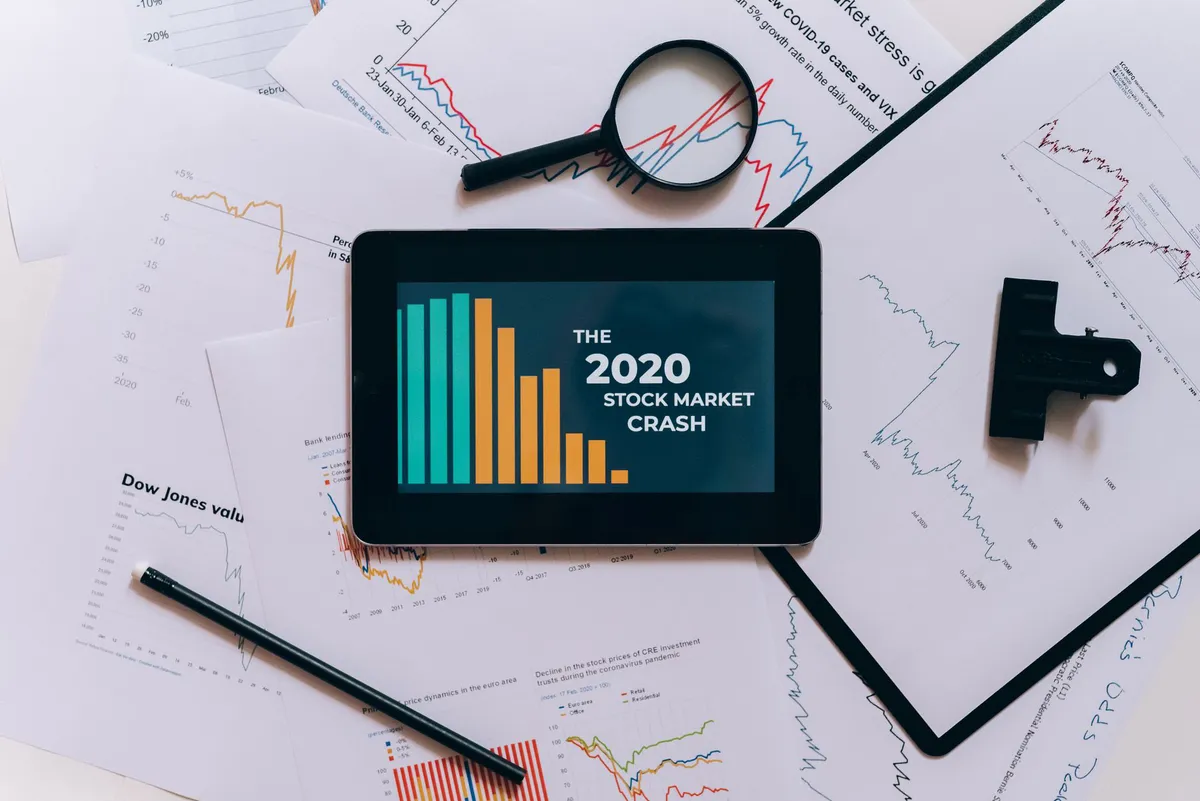
Labor Market Resilience Amid Economic Uncertainty
Amidst the turmoil in energy prices and trade relations, there was a glimmer of positive news from the labor market. Initial unemployment claims dropped to a historic low of 187,000 for the week ending July 18, marking the lowest level since 1969. Additionally, continuing claims for unemployment benefits fell slightly to just below 1.8 million for the week ending July 11. These figures indicate a tighter labor market and suggest that the economy may be managing to absorb shocks despite ongoing geopolitical challenges.
Seasonal Factors and Employment Data
However, experts caution against overly optimistic interpretations of this data, as July is known for its seasonal volatility in employment statistics. Matthew Martin, a senior U.S. economist at Oxford Economics, noted that the remarkably low unemployment claims signal a positive trend, emphasizing that this could help maintain stability in the unemployment rate in the coming months. Nevertheless, the mixed signals from the labor market highlight the complexities of economic analysis during uncertain times.

Conclusion: Navigating Uncertainty in Economic Indicators
The convergence of rising oil prices, tariff threats, and encouraging labor market indicators paints a complex picture of the current economic landscape. Investors, policymakers, and consumers alike must navigate these uncertainties with a keen understanding of their potential implications. As the situation with Iran evolves and the administration continues to adjust its trade policies, the markets will remain on alert for new developments.
Key Takeaways
- Oil Price Surge: Brent crude oil prices spiked over $10 this week, reaching highs of over $100 per barrel.
- Equities Impact: Major stock indices, including the Dow and S&P 500, experienced declines amid rising oil prices.
- Tariff Threats: New tariffs against Canada and other countries were announced, although markets showed resilience.
- Labor Market Stability: Initial unemployment claims fell to a record low, signaling a tight labor market amidst broader economic challenges.
Frequently Asked Questions
What factors are contributing to the rise in oil prices?
The rise in oil prices can be attributed to renewed geopolitical tensions, particularly involving Iran and the Houthis’ threats to block shipping lanes in the Red Sea. Such disruptions can lead to fears of supply shortages, prompting price increases as traders react to the potential impact on global oil supply.
How do tariffs affect the economy and consumers?
Tariffs can lead to increased costs for imported goods, which may ultimately be passed on to consumers in the form of higher prices. Additionally, tariffs can strain international trade relationships and potentially lead to retaliatory measures from affected countries, impacting economic growth and market stability.
What does the low unemployment rate mean for the economy?
A low unemployment rate typically indicates a strong labor market, suggesting that most individuals seeking work are able to find employment. This can lead to increased consumer spending, which is a key driver of economic growth. However, it can also create labor shortages in certain sectors and potentially lead to wage inflation.
How should investors respond to current market conditions?
Investors should remain vigilant and informed about geopolitical developments, economic indicators, and potential policy changes. Diversifying portfolios and considering both short-term volatility and long-term trends can help mitigate risks. Consulting with financial advisors for tailored strategies may also be beneficial during uncertain times.
This content is general information and not legal advice.
Comments
The Protect College Sports Act: A New Era for Athlete Welfare
The Protect College Sports Act aims to create a federal framework for college athletics, prioritizing athlete welfare amidst the changing landscape of NIL rights. However, challenges remain in its current form.

Related articles




Popular in Business Law
- Supreme Court Justices' Financial Disclosures: A Closer Look
- Vishal Garg's Leadership Fallout: The Rise and Fall of Better.com
- Former Intelligence Official Faces Penalty for Post-Government Misconduct
- Blank Rome Faces Lawsuit After Major Data Breach Exposes Personal Information
- Congress Faces Reckoning Over Member-Staff Relationships