International Criminal Court's Chief Prosecutor Dismissed Amid Misconduct Allegations
Karim Khan, the chief prosecutor of the ICC, has been permanently removed following serious allegations of sexual misconduct. The decision raises questions about ongoing investigations and the court's integrity.
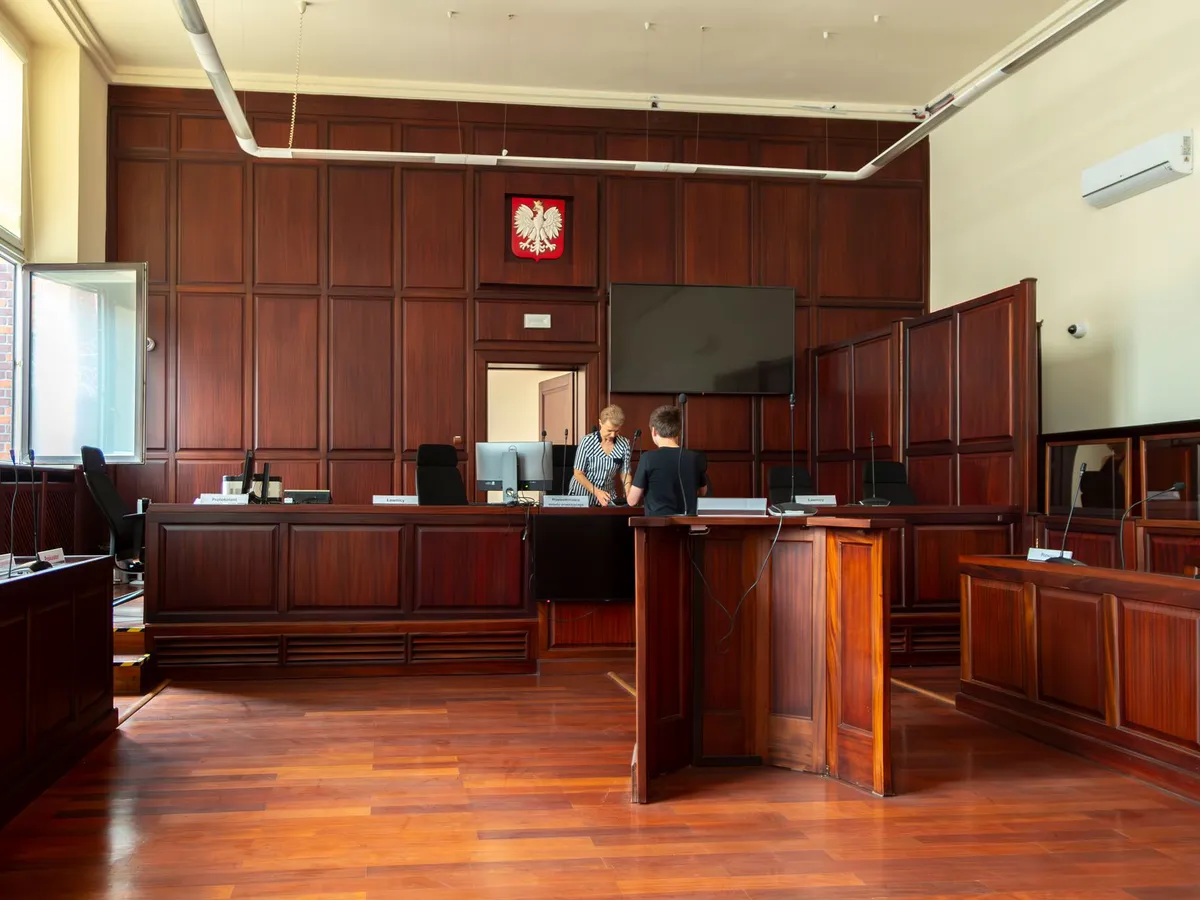
The International Criminal Court (ICC) has made headlines with its recent decision to permanently remove chief prosecutor Karim Khan amidst serious allegations of sexual misconduct. In a momentous vote held on Friday at the United Nations headquarters in New York City, representatives from 82 member states concluded that Khan had committed significant misconduct, leading to his immediate dismissal. This unprecedented action not only raises pressing questions about the integrity of the ICC but also casts a shadow over its ongoing investigations into war crimes, particularly concerning the recent conflict in Gaza.
The allegations against Khan, who has served as chief prosecutor since 2021, stem from claims made by a female aide, known only as Sarah, who has worked with the ICC since 2017. Reports indicate that Khan engaged in inappropriate behavior, including groping and attempts to coerce Sarah into a sexual relationship. These allegations have complicated Khan's tenure, leading him to deny any wrongdoing vehemently. In a statement released in 2024, Khan asserted, “I absolutely can confirm there is no truth to suggestions of misconduct,” yet the gravity of the accusations has ultimately led to his downfall.
Background of the Allegations
For over two years, Khan has faced scrutiny amid a series of reports detailing his alleged misconduct. The situation escalated to a point where an independent investigation was warranted. During this time, Khan was barred from entering the United States due to sanctions imposed by the Trump administration, which were reportedly linked to the ICC's investigation into Israel's actions in Gaza.
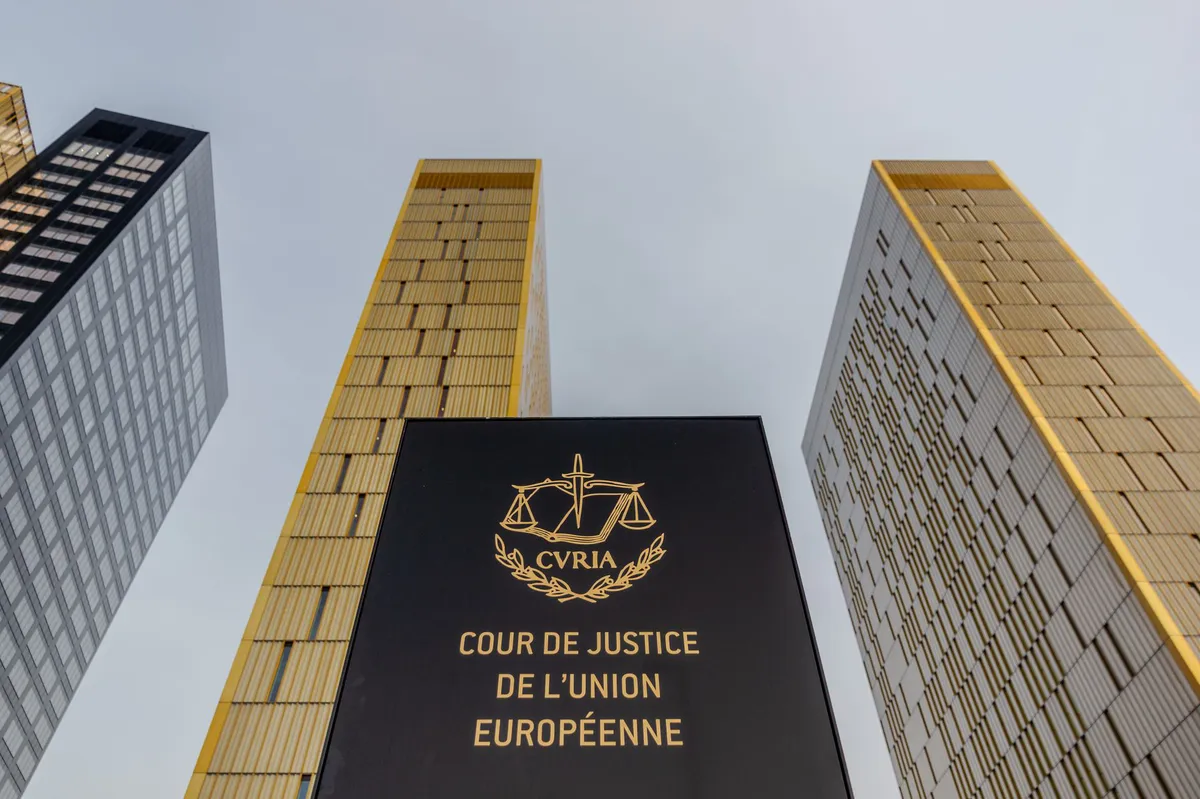
The ICC's decision to remove Khan was made during a closed-door meeting where voting occurred via secret ballot. The assembly's statement indicated that the decision to dismiss him was based on findings of “serious misconduct and serious breach of duty,” as outlined in Article 46 of the Rome Statute, the treaty that established the ICC.
Impact on Ongoing Investigations
Khan's dismissal could significantly disrupt the ICC's ongoing probe into alleged war crimes committed during the Israel-Gaza conflict. Under Khan's leadership, the ICC had issued arrest warrants for high-profile figures, including Israeli Prime Minister Benjamin Netanyahu and Hamas officials. The implications of his removal are profound, as it raises questions about the continuity and credibility of these investigations.
Some supporters of Khan argue that the allegations against him are part of a broader smear campaign aimed at undermining the ICC's credibility, particularly in relation to its investigation into Israel. However, the gravity of the claims made by his accuser cannot be overlooked. Sarah has publicly stated that the power dynamics at play during her interactions with Khan rendered any purported consent meaningless, stating, “There is no way for something to be consensual when you have such a power disparity.”
Legal and Institutional Ramifications
Khan's legal team has expressed a strong dissent against the assembly's decision to remove him, citing “serious defects” in the procedural integrity of the proceedings. They assert that Khan was denied a fair opportunity to defend himself and plan to challenge the decision through all available legal channels. This legal battle could further complicate the ICC's operations and lead to prolonged disputes over procedural fairness and due process.
Khan's removal hasn’t just affected his position within the ICC; it also has broader implications for his ability to practice law in the United Kingdom. Following the allegations, the U.K.'s Bar Standards Board suspended his legal practice, marking a significant professional setback that underscores the seriousness of the claims against him.
The Role of the United States
The United States has a contentious relationship with the ICC, having never ratified the Rome Statute, which established the court. Under the Trump administration, relations soured further, culminating in sanctions against the ICC over its investigation into U.S. actions in Afghanistan and its proceedings against Israeli officials.
Recent statements from U.S. officials, including Secretary of State Marco Rubio, suggest an intention to dismantle the ICC altogether, labeling it as a “radical and extreme” institution. Rubio has also indicated plans to pressure ICC member states to withdraw from the court, potentially leading to a significant shift in international legal frameworks regarding war crimes and human rights violations.
The Trump administration's sanctions have led to several lawsuits, including actions from ICC judges seeking to lift the restrictions and claims from human rights groups asserting that the sanctions violate free speech protections. This ongoing legal tussle adds another layer of complexity to the ICC's operations and its standing on the global stage.
Key Takeaways
- Karim Khan has been permanently removed from his position as chief prosecutor of the ICC due to serious allegations of sexual misconduct.
- The decision raises significant concerns about the ongoing investigations into war crimes in Gaza.
- The U.S. has a strained relationship with the ICC, complicating matters further amid ongoing sanctions and legal battles.
- Khan’s legal team plans to challenge his dismissal, arguing that the process lacked fairness and integrity.
Frequently Asked Questions
What were the specific allegations against Karim Khan?
Karim Khan faced serious accusations of sexual misconduct, including allegations of groping a female aide and attempting to coerce her into a sexual relationship. His accuser, known only as Sarah, has publicly stated that the power dynamics between them rendered any consent impossible, highlighting the significant disparity in their professional roles.
How does Khan's dismissal affect the ICC's investigations?
Khan's removal could potentially destabilize ongoing investigations into war crimes, particularly those related to the Israel-Gaza conflict. As the chief prosecutor, Khan had initiated several high-profile investigations, and his departure raises questions about the continuity and credibility of these cases moving forward.
What is the U.S. government's position regarding the ICC?
The U.S. has historically been critical of the ICC, particularly under the Trump administration, which imposed sanctions on the court. Current U.S. officials, including Secretary of State Marco Rubio, have expressed intentions to dismantle the ICC, citing concerns about its impact on American sovereignty and legal processes.
What legal recourse does Khan have following his dismissal?
Khan's legal team has indicated their intention to challenge the legality and fairness of the dismissal process. They argue that he was not given a fair opportunity to defend himself and plan to utilize all available legal mechanisms to contest the assembly's decision, which could lead to further legal challenges in the future.
This article is for informational purposes only and does not constitute legal advice.
Comments
The Protect College Sports Act: A New Era for Athlete Welfare
The Protect College Sports Act aims to create a federal framework for college athletics, prioritizing athlete welfare amidst the changing landscape of NIL rights. However, challenges remain in its current form.

Related articles



Popular in Business Law
- Supreme Court Justices' Financial Disclosures: A Closer Look
- Vishal Garg's Leadership Fallout: The Rise and Fall of Better.com
- Former Intelligence Official Faces Penalty for Post-Government Misconduct
- Blank Rome Faces Lawsuit After Major Data Breach Exposes Personal Information
- Congress Faces Reckoning Over Member-Staff Relationships