The Unprecedented Call for Impeachment of a Deceased Federal Judge
A recent call by a Congressman to impeach a deceased federal judge raises critical questions about the implications of such actions in the legal and political landscape. This article delves into the complexities of impeachment, even after death.
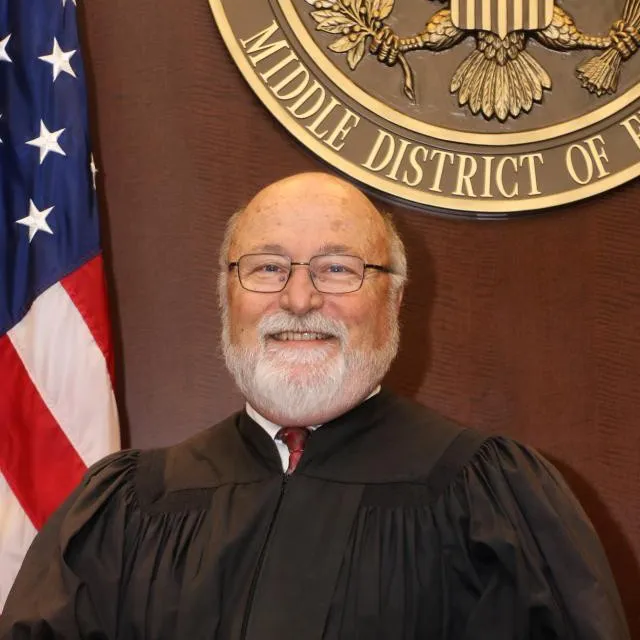
In a move that has left many astounded, a Congressman has publicly called for the impeachment of a federal judge who passed away several years ago. This unprecedented action raises significant questions about the legal, political, and ethical ramifications of such a request. It also shines a light on the often obscure processes surrounding impeachment and the historical context that governs such proceedings. While impeachment is typically reserved for sitting officials, the call for action against a deceased individual challenges the boundaries of legal procedures and the intentions behind them.
This situation is not just a quirky footnote in political history; it underscores broader issues related to accountability, the role of judges in the political arena, and the lengths to which some politicians might go to express discontent with judicial decisions. The deceased judge, whose rulings had significant implications during his tenure, has become a focal point in a heated political climate where every action is scrutinized and potentially weaponized for political gain.
The Basics of Impeachment
Impeachment is a process defined in the U.S. Constitution that allows Congress to remove federal officials from office for misconduct. The criteria for impeachment include treason, bribery, or other high crimes and misdemeanors. Typically, the House of Representatives initiates impeachment proceedings, which, if successful, lead to a trial in the Senate. A two-thirds vote in the Senate is required to convict and remove the official from their position.
Historical Context of Impeachment
The concept of impeachment dates back to English common law, and the framers of the U.S. Constitution incorporated it into the legal framework to ensure checks and balances among the branches of government. Over the years, there have been notable impeachment cases, including those of Presidents Andrew Johnson, Richard Nixon, and Bill Clinton, which have shaped the political landscape. However, the notion of impeaching someone who is no longer alive raises an entirely different set of questions.
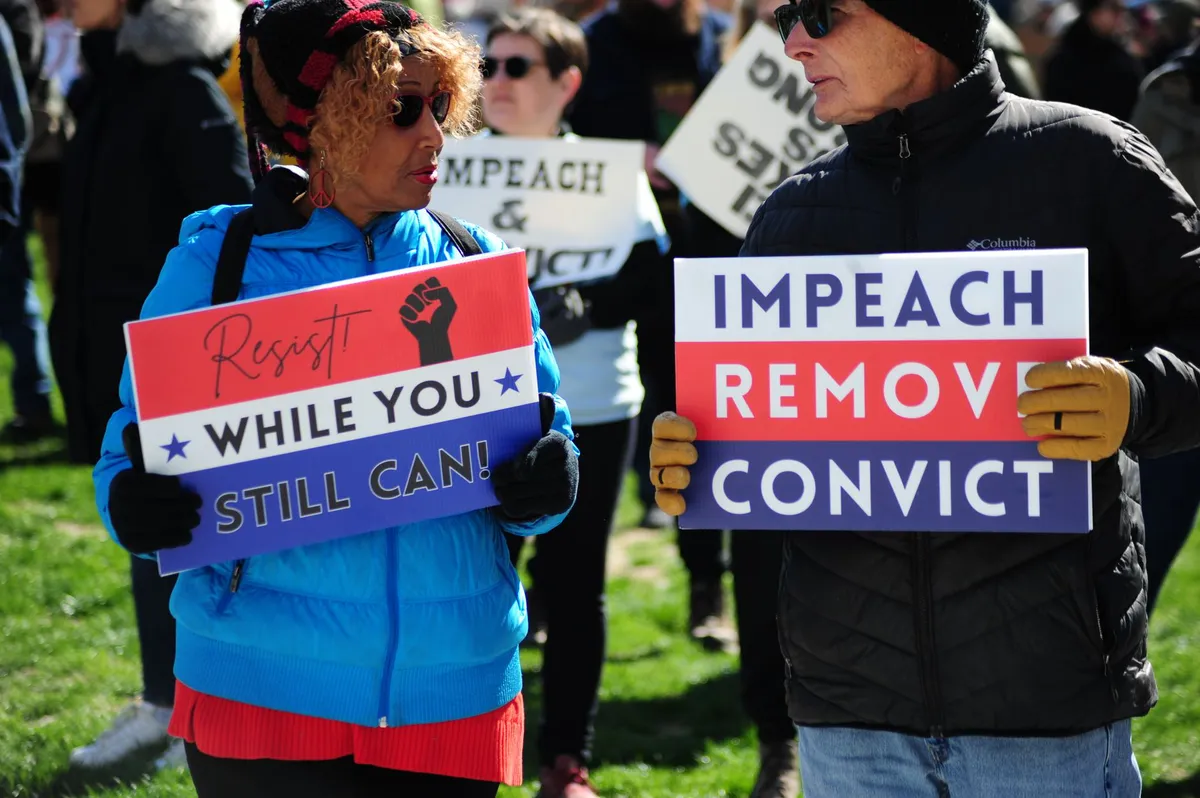
Why Impeach a Deceased Judge?
The Congressman’s call for impeachment is rooted in a desire to hold the deceased judge accountable for his past rulings, which the Congressman argues were politically motivated and detrimental to justice. This raises the larger issue of whether such actions serve a legitimate purpose or if they are merely symbolic gestures aimed at rallying political support.
The Impact on Judicial Independence
Judicial independence is a cornerstone of the American legal system, ensuring that judges can make decisions free from political pressure. When a political figure calls for the impeachment of a judge posthumously, it may undermine public confidence in the judiciary as an impartial arbiter of the law. Critics argue that this action could set a dangerous precedent, allowing future lawmakers to politicize the legacy of judges long after they have passed, potentially fostering an environment of fear among current judges.
Legal and Political Implications
While the legal framework does not explicitly prohibit the impeachment of deceased officials, the practical implications are significant. Impeachment serves to remove individuals from office and holds them accountable during their lifetime. Thus, pursuing impeachment after death raises ethical considerations about the motivations behind such actions and whether it is an appropriate use of congressional power.
The Response from the Judiciary
Judges and legal experts have largely condemned the move as a political stunt. Many argue that the focus should be on reforming the judicial system rather than targeting individuals who can no longer defend their actions. This perspective emphasizes the need for constructive dialogue about the judiciary's role and potential reforms that can address perceived injustices without resorting to symbolic impeachments.

Public Reaction and Media Coverage
The public response to the Congressman’s call for impeachment has been mixed. Some view it as a necessary step towards accountability, while others see it as a diversion from more pressing issues facing the country. Media coverage has highlighted the sensational nature of the call, with pundits debating the implications for both the Congressman’s career and the broader political landscape.
Media's Role in Shaping Perception
As the media continues to cover this story, the framing of the narrative will play a crucial role in shaping public perception. Media outlets have a responsibility to provide context and analysis, helping the public understand the nuances of impeachment and its implications for the judiciary. A balanced portrayal will be essential to prevent misinformation and ensure that the discourse remains focused on the underlying issues rather than becoming mired in sensationalism.

Key Takeaways
- Impeachment is a constitutional process designed to hold federal officials accountable for misconduct during their time in office.
- The call for impeachment of a deceased judge raises ethical questions and potential implications for judicial independence.
- Public and media reaction to this unprecedented request varies significantly, reflecting deeper political divides.
- Constructive dialogue about the judiciary's role is essential to address concerns without resorting to symbolic actions.
Frequently Asked Questions
Can a deceased judge be impeached?
While there is no legal prohibition against impeaching a deceased official, the practical implications raise questions about the purpose and motivations behind such an action. Impeachment is generally intended to remove individuals from office and hold them accountable during their lifetime, which complicates the rationale for pursuing it posthumously.
What are the consequences of impeaching a deceased official?
The consequences of impeaching a deceased official are primarily symbolic rather than practical, as it does not result in any actual removal from office. However, it could set a precedent for future actions against deceased officials, potentially politicizing their legacies and undermining judicial independence.
How does this impact public perception of the judiciary?
This unprecedented call for impeachment can adversely affect public perception of the judiciary. It raises concerns about the politicization of the judicial system and could erode trust in judges' ability to make impartial decisions free from political pressures.
What should lawmakers focus on instead of symbolic actions?
Lawmakers should prioritize reforms that address systemic issues within the judicial system instead of pursuing symbolic actions like the impeachment of deceased officials. Constructive dialogue and legislative measures aimed at strengthening judicial independence and accountability are essential for fostering public trust in the legal system.
Disclaimer: This article is for informational purposes only and should not be construed as legal advice.
Comments
The Protect College Sports Act: A New Era for Athlete Welfare
The Protect College Sports Act aims to create a federal framework for college athletics, prioritizing athlete welfare amidst the changing landscape of NIL rights. However, challenges remain in its current form.

Related articles




Popular in Business Law
- Supreme Court Justices' Financial Disclosures: A Closer Look
- Vishal Garg's Leadership Fallout: The Rise and Fall of Better.com
- Former Intelligence Official Faces Penalty for Post-Government Misconduct
- Blank Rome Faces Lawsuit After Major Data Breach Exposes Personal Information
- Congress Faces Reckoning Over Member-Staff Relationships