Legal Challenge: States Sue Over EPA's HFC Regulation Rollback
A coalition of 18 state attorneys general, led by California's Rob Bonta, has filed a lawsuit against the EPA's decision to weaken regulations on hydrofluorocarbons (HFCs), potent greenhouse gases used in refrigeration. This legal action emphasizes the urgent need for stringent environmental safeguards amid escalating climate crises.

In an unprecedented legal move, a coalition of 18 state attorneys general has taken action against the Environmental Protection Agency (EPA) to contest a significant rollback of regulations aimed at curtailing the use of hydrofluorocarbons (HFCs). These potent greenhouse gases, commonly utilized in refrigeration and air conditioning, are known for their alarming impact on climate change, with some types having a global warming potential up to 10,000 times greater than carbon dioxide. The lawsuit was spearheaded by California Attorney General Rob Bonta and filed in the D.C. Circuit Court, marking a critical moment in the ongoing battle against climate change and the regulatory landscape governing greenhouse gases.
The EPA's recent decision, announced on May 26, seeks to reverse earlier efforts initiated during the Biden administration to drastically reduce HFC emissions. This rollback is particularly concerning as it delays compliance deadlines for various industries, including semiconductor manufacturing and retail food sectors. The implications of this decision extend far beyond mere regulatory adjustments; they resonate deeply within the broader context of climate action and environmental justice.
The Background of Hydrofluorocarbons
Hydrofluorocarbons are a class of chemicals that have been widely adopted in refrigeration and air conditioning due to their effectiveness in heat transfer. However, their environmental cost is steep. While HFCs account for only about 1% of total greenhouse gases in the atmosphere, their capacity to trap heat makes them disproportionately impactful. This has raised alarms among environmentalists and scientists alike, pushing for stricter regulations on their use.
Legislative Actions Against HFCs
The American Innovation and Manufacturing Act, passed in December 2020, was a pivotal legislative step aimed at phasing down HFCs. This law mandated a significant reduction in the production and consumption of these gases, aiming for an 85% decrease by 2036, equivalent to removing approximately 70 billion metric tons of carbon dioxide from the atmosphere. The Biden administration's efforts to strengthen these regulations were a response to both domestic and international calls for climate action, particularly in light of the Paris Agreement commitments.
The Trump Administration's Rollback
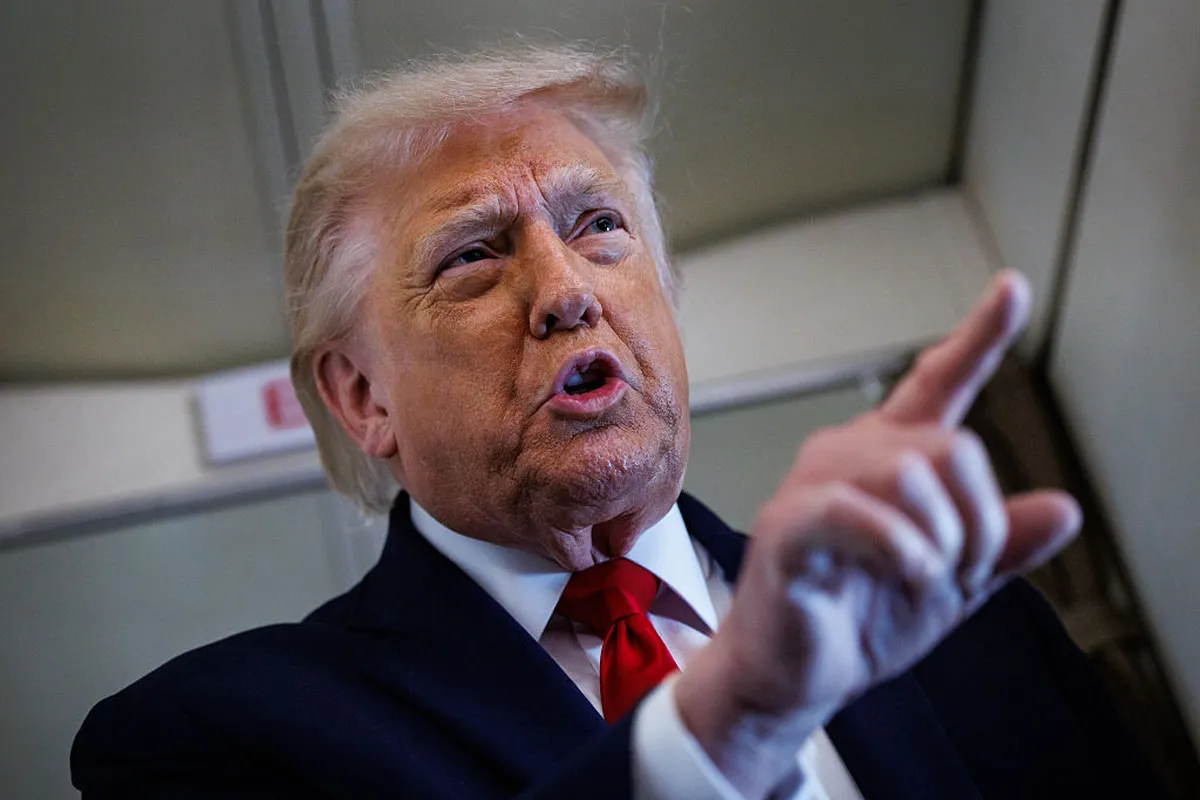
However, the Trump administration's recent decision to loosen these regulations has sparked outrage and concern among environmental advocates and state officials. In a statement, President Trump characterized the previous regulations as “ridiculous” and claimed they were driving up the costs of everyday goods, including food. This narrative aligns with a broader deregulatory agenda that seeks to prioritize economic considerations over environmental protections.
Under the new EPA rules, compliance deadlines have been extended significantly. For example, chillers used in semiconductor manufacturing now have until January 1, 2030, to comply, while the retail food industry, including supermarkets, has until January 1, 2032. The raised limits on Global Warming Potential (GWP) for refrigerants—from a previous cap of 150-300 GWP to 1,400 GWP—further complicates the regulatory landscape.
Implications for the Environment and Public Health
Attorney General Bonta's lawsuit underscores the urgent need for stringent environmental safeguards in light of worsening climate conditions. Record-breaking temperatures, devastating floods, and wildfire threats have become increasingly common in California and across the nation. Bonta asserts that the rollback of HFC restrictions will significantly escalate emissions, further exacerbating climate change and its dire consequences for public health and safety.
- Increased Emissions: The new rules could lead to a surge in hydrofluorocarbon emissions.
- Climate Crisis Acceleration: Experts warn that HFC emissions contribute to global warming, impacting weather patterns and public health.
- Economic Considerations: While the Trump administration claims cost savings for consumers, environmental costs may outweigh these short-term benefits.
Legal Landscape and Future Actions
The legal proceedings initiated by the coalition of states represent a critical challenge to the EPA's authority and the broader implications of regulatory rollbacks under the Trump administration. The outcome of this lawsuit could set a precedent for how environmental regulations are enforced in the future and reinforce the role of state governments in climate policy.
Bonta, along with his counterparts from states including Massachusetts, New York, and Washington, D.C., argues that the federal government has a responsibility to uphold environmental laws designed to protect public health and the environment. “We’re taking the Trump administration to court, yet again, for its effort to skirt the law with this final rule,” he stated emphatically.
Key Takeaways
- 18 state attorneys general have filed a lawsuit against the EPA over HFC regulation rollbacks.
- HFCs are potent greenhouse gases with a global warming potential significantly higher than carbon dioxide.
- The lawsuit seeks to enforce stricter regulations to combat climate change and protect public health.
Frequently Asked Questions
What are hydrofluorocarbons, and why are they problematic?
Hydrofluorocarbons (HFCs) are synthetic chemicals used primarily in refrigeration and air conditioning systems. While they are effective for cooling, they have a high global warming potential, meaning they can trap significantly more heat in the atmosphere compared to carbon dioxide. This characteristic makes them a major contributor to climate change, prompting efforts to regulate their use.
What is the significance of the American Innovation and Manufacturing Act?
The American Innovation and Manufacturing Act is a landmark piece of legislation aimed at phasing down the production and consumption of hydrofluorocarbons. Passed in December 2020, it establishes a framework for reducing the use of these potent greenhouse gases by 85% by 2036, thereby addressing a critical aspect of climate change mitigation in the United States.
How do regulatory changes impact consumers and businesses?
Regulatory changes such as those enacted by the EPA can have far-reaching implications for both consumers and businesses. While some may argue that deregulation leads to lower prices for goods, the long-term environmental costs could outweigh these benefits. Increased emissions from HFCs pose health risks and contribute to climate change, which can lead to higher costs in the future related to disaster response and public health issues.
What are the potential outcomes of the lawsuit against the EPA?
The lawsuit filed by the coalition of states could result in a reinstatement of stricter HFC regulations, thereby curbing emissions and reinforcing environmental protections. A favorable ruling for the states may also set a precedent for future environmental lawsuits, strengthening the role of state governments in enforcing federal environmental laws. Conversely, a ruling against the states could embolden further deregulation efforts at the federal level.
This content is general information, not legal advice.
Comments
Oregon Broker Sentenced: Unraveling a $14 Million Fraud Scheme
Jeremy Todd Briley has been sentenced to three years in prison for his role in a fraudulent scheme that siphoned over $14 million from unsuspecting businesses. This article explores the implications of his actions and how such fraud can impact the broader business landscape.

Related articles






Popular in Business Law
- Supreme Court Justices' Financial Disclosures: A Closer Look
- Vishal Garg's Leadership Fallout: The Rise and Fall of Better.com
- Former Intelligence Official Faces Penalty for Post-Government Misconduct
- Blank Rome Faces Lawsuit After Major Data Breach Exposes Personal Information
- Congress Faces Reckoning Over Member-Staff Relationships