Political Turmoil in Hungary: Magyar's Chess Move Backfires
The rise and fall of Péter Magyar's presidency nomination of Judit Polgár highlights the complexities of Hungary's political landscape. As he attempts to distance himself from Orbán's legacy, backlash ensues over his handling of the nomination process.
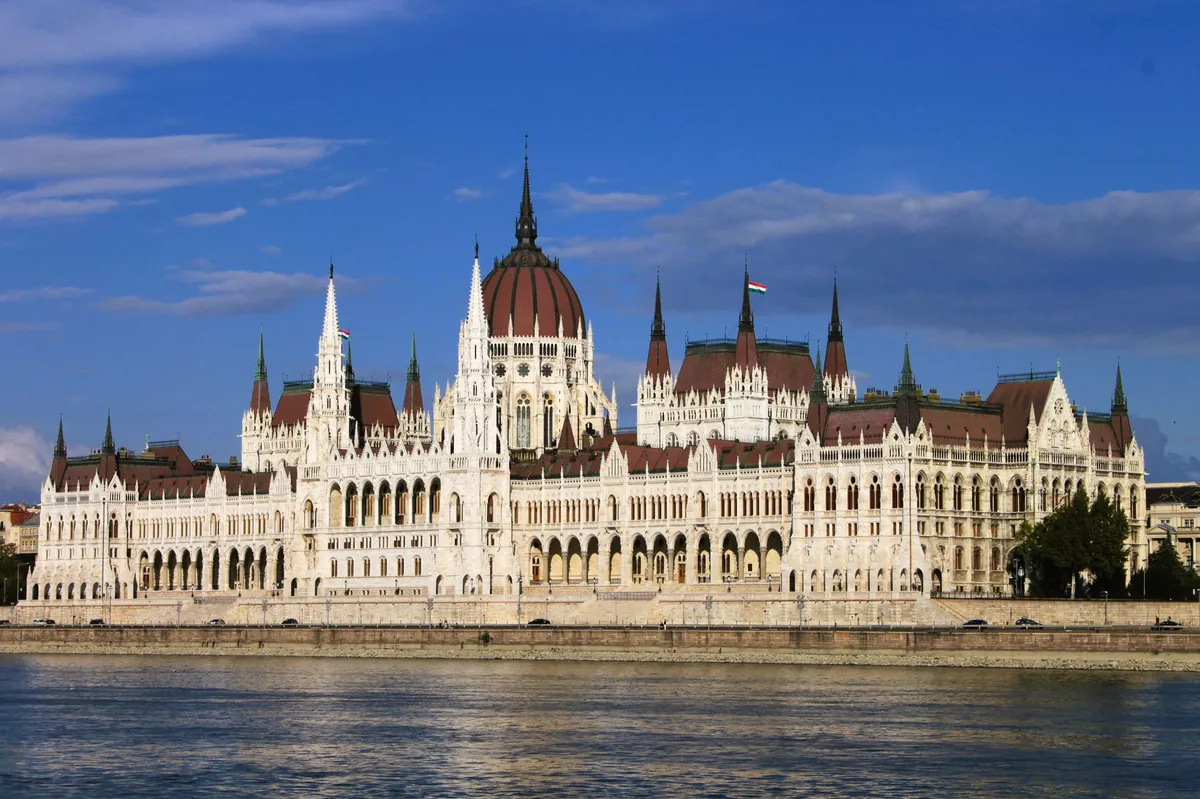
In a remarkable turn of events that seems to echo the twists of a chess game, Péter Magyar’s political ambitions have taken a significant hit following his nomination of the renowned chess player Judit Polgár for the presidency of Hungary. This move, which was initially perceived as a strategic play to unite a fractured nation, has rapidly devolved into a controversy that has exposed the complexities and challenges of Hungarian politics in the wake of Viktor Orbán’s long-standing regime. With the nation at a crossroads, Magyar’s misstep raises critical questions about the future of governance in Hungary and the stability of its newly formed Tisza party.
Since the monumental elections on April 12, 2023, Hungary has witnessed a seismic shift in its political landscape. Magyar, a prominent figure within the Tisza party, led a vigorous campaign that culminated in a sweeping electoral victory over Orbán’s Fidesz party. The palpable discontent among Hungarians regarding years of perceived corruption and authoritarian rule paved the way for Tisza to seize power. However, the euphoria surrounding this victory is now tempered by the backlash that has followed Magyar’s recent decisions, including his rapid nomination of Polgár, a beloved national figure.
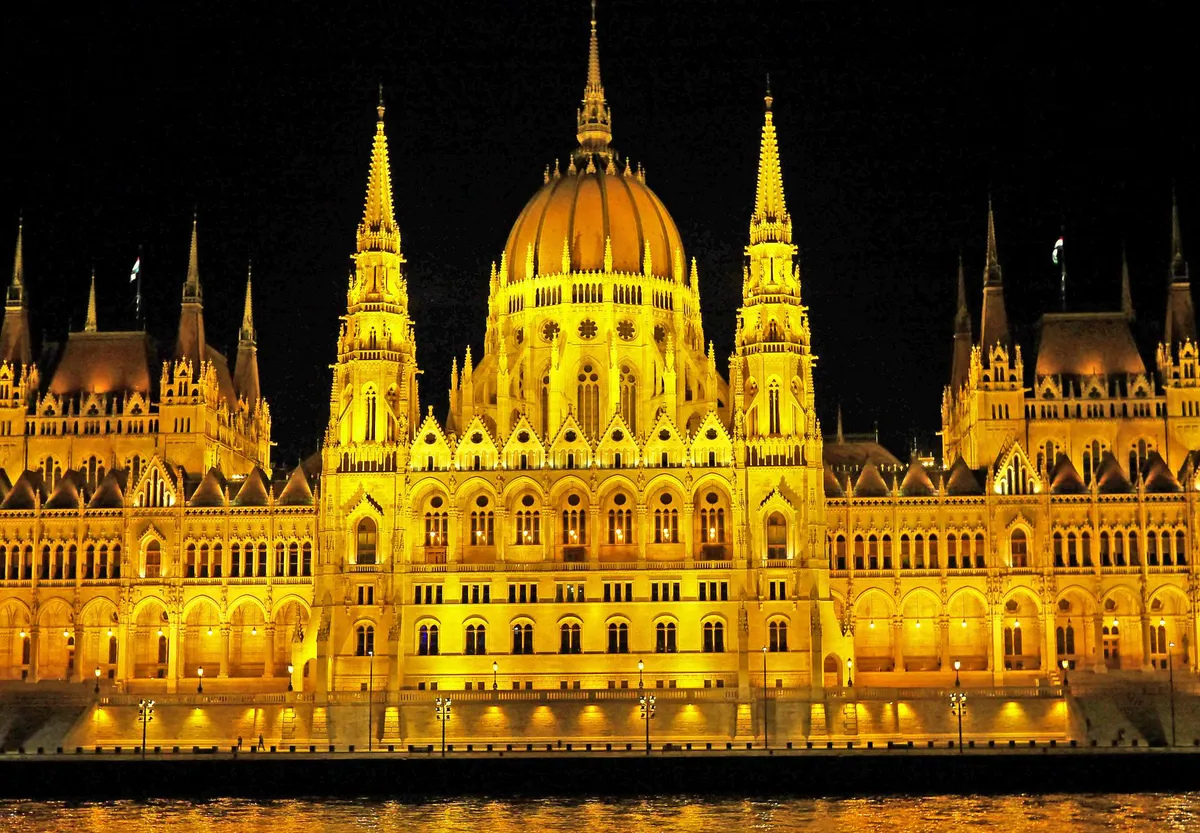
The Context of Magyar's Rise
Péter Magyar, a 45-year-old politician from a prominent legal family, emerged as a symbol of change amidst the political chaos that characterized Orbán’s rule. His family background is significant; with a great-uncle who served as a former president and a mother and grandfather with esteemed legal careers, Magyar has inherited a legacy that many expect him to uphold. His political journey began as an ally of Orbán, but he later distanced himself from the Fidesz party, especially after a scandal involving Orbán’s former justice minister and his own marriage. This trajectory has contributed to Magyar’s image as a whistleblower and a reformist.
With the Tisza party now holding a supermajority in Parliament, Magyar has taken bold steps to dismantle the remnants of Orbán’s power structure. His administration quickly enacted constitutional amendments aimed at purging Fidesz loyalists from key positions, including the controversial resignation of Fidesz-appointed President Támas Sulyok, who was forced to vacate his office. This decisive action was celebrated as a restoration of democratic principles, yet it set the stage for the turmoil that would soon ensue.

The Nomination of Judit Polgár
Magyar’s decision to nominate Judit Polgár, a chess legend and national icon, for the presidency was initially met with enthusiasm. Polgár, recognized as the greatest female chess player in history, has long been a source of pride for Hungary. She made headlines for defeating reigning grandmaster Garry Kasparov in 2002, and her impact on the game has transcended borders. Magyar’s endorsement of Polgár was framed as a call for unity and a fresh start for a divided nation. In his announcement, he lauded her talent and perseverance, inviting her to accept the role until a new constitution could be adopted.
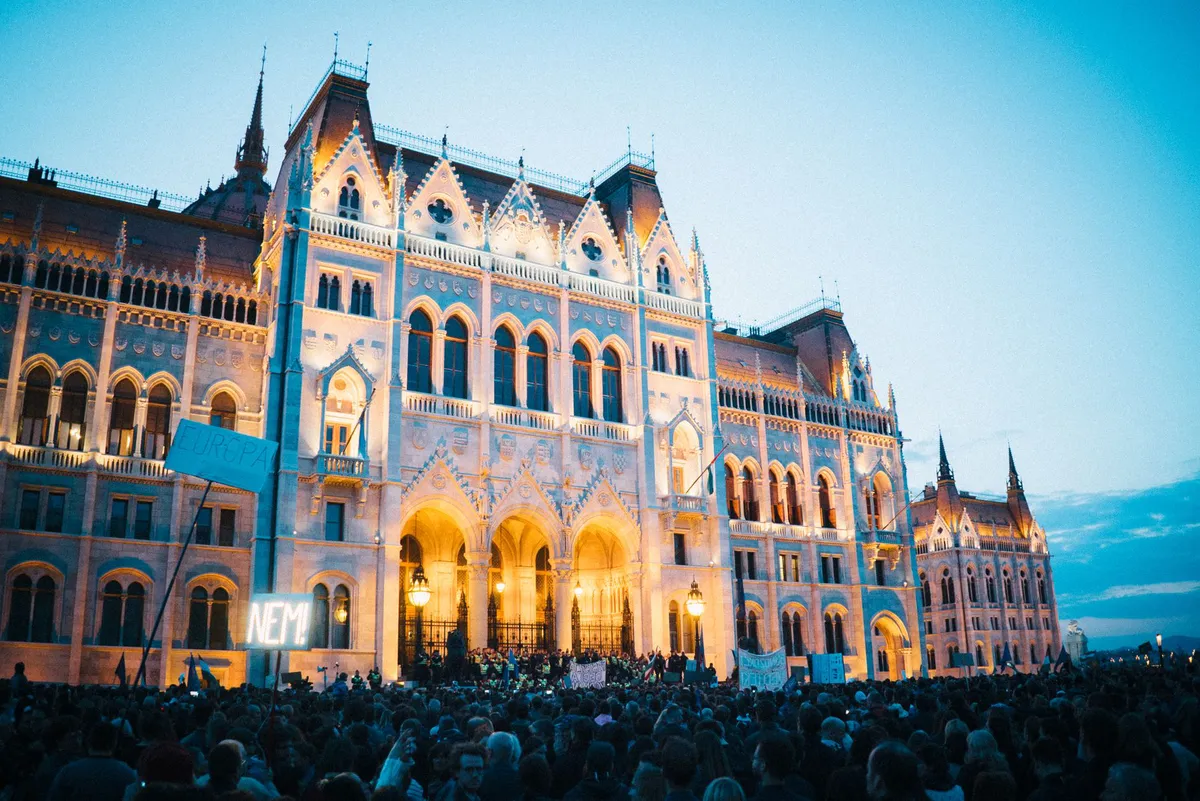
However, what seemed like a strategic appointment quickly unraveled as backlash emerged over the process. Critics pointed out that Magyar's promise of a transparent selection process was undermined by his unilateral decision to nominate Polgár without engaging in the public consultation he had previously promised. This deviation from democratic norms sparked outrage, not only among political opponents but also within his own party.

The Backlash and Its Implications
The response to Polgár’s nomination was swift and severe. Amnesty International Hungary publicly condemned the manner in which Magyar handled the nomination, stating that the issue lay not with Polgár herself but with the procedural flaws that mirrored Orbán’s authoritarian tactics. Critics within Tisza expressed concern that Magyar was consolidating power rather than fostering a democratic environment, raising fears of a return to the very practices they sought to eliminate.
Polgár, caught in the crossfire, ultimately withdrew her name from consideration, citing her inability to shoulder the responsibility of uniting a divided nation. This withdrawal served as a stark reminder of the challenges facing any leader trying to navigate the turbulent waters of Hungarian politics. For Magyar, the incident has not only tarnished his reputation but also raised doubts about his commitment to genuine democratic reform.
Understanding the Role of the Hungarian Presidency
In Hungary, the presidency is largely a ceremonial position, with real power residing in the hands of the National Assembly. However, the president does hold significant influence, including the ability to review and veto legislation. Given this context, the choice of president can have implications for the direction of national policy and governance. Magyar and Tisza’s push to remove Fidesz’s influence underscores the importance of this role in shaping Hungary’s political future.
The Road Ahead for Magyar and Tisza
As Magyar continues to navigate the fallout from this debacle, he must contend with the perception that he is not fully committed to the principles of democracy he espoused during his campaign. The backlash against his nomination of Polgár has given rise to skepticism about his intentions and whether he is merely following in Orbán’s footsteps. With ongoing investigations into corruption and the alleged plundering of public funds by Fidesz officials, Magyar faces mounting pressure to deliver on his promises of accountability and reform.
Moreover, the political landscape in Hungary remains deeply polarized, with many citizens remaining loyal to Orbán and Fidesz. Magyar must find a way to bridge this divide, restoring trust among a populace that has seen significant upheaval in recent years. His capability to effectively lead Tisza and implement meaningful change will ultimately determine his legacy and the future of Hungarian democracy.
Key Takeaways
- Péter Magyar's leadership is under scrutiny after his controversial nomination of Judit Polgár backfired.
- Public trust remains fragile as many Hungarians fear a return to authoritarian practices.
- The symbolic role of the presidency is critical in shaping Hungary's political landscape moving forward.
- Magyar faces pressure to fulfill promises of reform amidst ongoing corruption investigations.
Frequently Asked Questions
What is the role of the president in Hungary?
The president in Hungary serves primarily as a ceremonial figure, elected by Parliament. While the position holds limited executive power, the president can review and veto legislation, thereby influencing the legislative agenda. The president’s role is significant in representing national unity and stability, especially during times of political transition.
Why did Judit Polgár withdraw her nomination?
Judit Polgár withdrew her nomination for the presidency after expressing concerns about her ability to unite a divided nation. Despite the honor of the nomination, she felt that the political climate and the expectations placed upon her were overwhelming, particularly in light of the backlash against Magyar’s nomination process.
How has Péter Magyar's past influenced his current political standing?
Péter Magyar's history as a former ally of Viktor Orbán complicates his current political standing. His previous ties to Fidesz and the subsequent whistleblowing against the party have led to skepticism about his intentions. As he attempts to position himself as a reformist leader, he faces challenges in overcoming public perception and proving his commitment to democratic principles.
What are the implications of the Tisza party's supermajority?
The Tisza party's supermajority in Parliament allows it to enact significant legislative changes, including constitutional amendments. This power enables Tisza to reshape governance in Hungary, yet it also raises concerns about the potential for authoritarian practices if checks and balances are not upheld. The party’s leadership must navigate these challenges carefully to maintain public trust.
This content is general information and not legal advice.
Comments
Oregon Broker Sentenced: Unraveling a $14 Million Fraud Scheme
Jeremy Todd Briley has been sentenced to three years in prison for his role in a fraudulent scheme that siphoned over $14 million from unsuspecting businesses. This article explores the implications of his actions and how such fraud can impact the broader business landscape.

Related articles






Popular in Business Law
- Supreme Court Justices' Financial Disclosures: A Closer Look
- Vishal Garg's Leadership Fallout: The Rise and Fall of Better.com
- Former Intelligence Official Faces Penalty for Post-Government Misconduct
- Blank Rome Faces Lawsuit After Major Data Breach Exposes Personal Information
- Congress Faces Reckoning Over Member-Staff Relationships