Trump Advocates for Reevaluation of Judicial Scientific Standards
In a recent statement, former President Donald Trump has called for a comprehensive review of the scientific manual utilized by judges in the courtroom. This initiative raises important questions about the intersection of science and the judicial process.
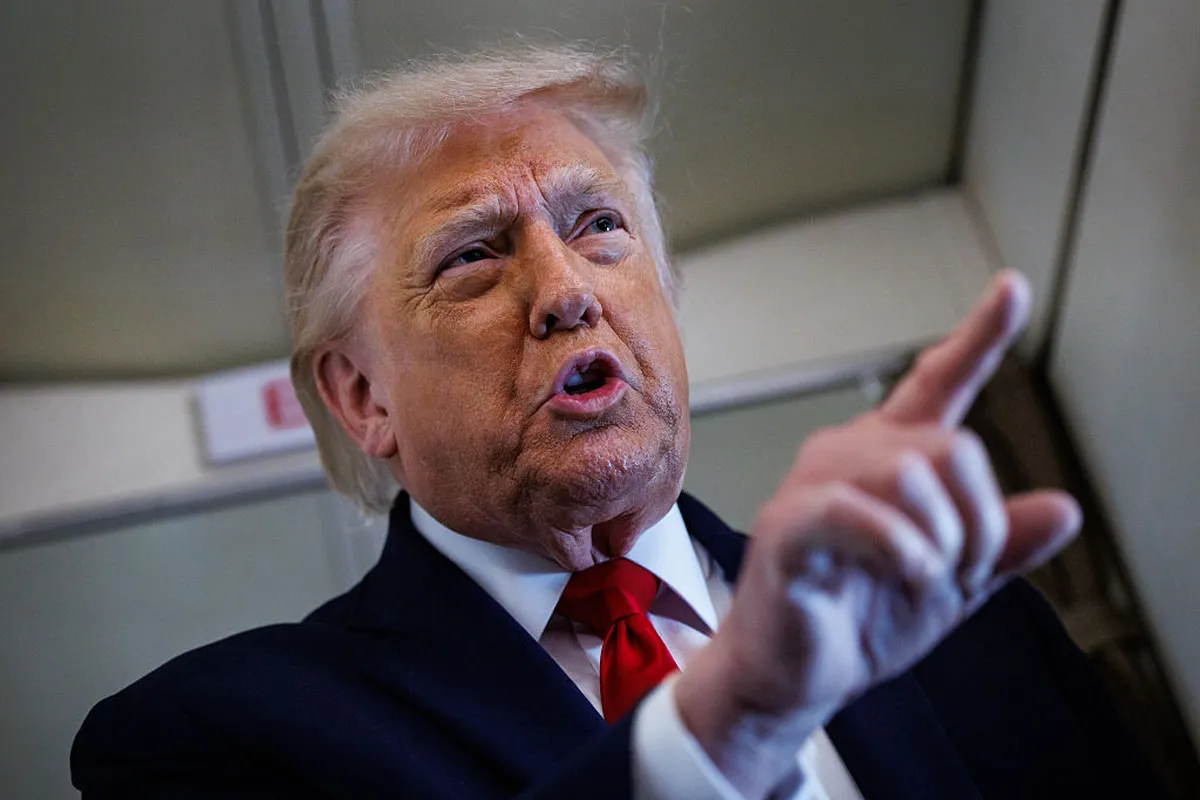
Former President Donald Trump has recently made headlines by advocating for a reevaluation of the scientific manual that judges rely upon in making legal determinations. This call to action reflects a broader critique of how scientific evidence is interpreted in courtrooms across the nation. By questioning the validity and application of scientific guidelines, Trump’s initiative could have profound implications for the legal landscape, impacting everything from personal injury cases to criminal trials.
The scientific manual, which serves as a reference for judges in assessing evidence and expert testimony, has been a cornerstone of judicial proceedings. However, Trump's assertion suggests a growing skepticism about the reliability of scientific methods and their role in the courtroom. This article delves into the significance of this call for review, its potential impacts on the judicial system, and the broader context of science in law.
The Role of Scientific Evidence in the Courtroom
Scientific evidence plays a critical role in many legal cases, particularly in areas like personal injury, medical malpractice, and product liability. Courts rely on scientific principles to assess the validity of expert testimony, the credibility of evidence, and the overall merits of a case. Judges often refer to established scientific standards to determine whether the evidence presented is admissible.
Understanding Daubert and Frye Standards
Two primary standards govern the admissibility of scientific evidence in U.S. courts: the Daubert Standard and the Frye Standard. Under the Daubert Standard, judges act as gatekeepers, evaluating the methodology and relevance of scientific testimony to ensure that it is based on reliable principles. The Frye Standard, on the other hand, requires that scientific evidence be sufficiently established and accepted within the relevant scientific community.
Each standard poses its own challenges and nuances, influencing how judges interpret scientific findings and expert opinions. Trump's call for a review of these standards raises concerns about potential alterations that could undermine the integrity of scientific evidence in legal proceedings.
The Implications of Trump's Initiative
The implications of Trump's proposal are significant. By opening the door for a reevaluation of scientific standards, it invites scrutiny into how evidence is interpreted and utilized in courts. This could lead to a shift in how judges approach scientific testimony, potentially favoring more subjective interpretations over established scientific principles.
Potential Impact on Legal Outcomes
Should the scientific manual undergo a substantial overhaul, the consequences could ripple through various areas of law:
- Personal Injury Claims: Cases relying on medical expert testimony may face challenges if judges begin questioning the scientific basis for injuries or treatments.
- Product Liability: In product liability cases, manufacturers may find it easier to contest scientific evidence linking their products to consumer harm.
- Criminal Trials: Forensic science, which often relies on scientific methods, could be called into question, potentially impacting the prosecution's ability to secure convictions.
The changes could not only affect court outcomes but also public trust in the judicial system. If scientific standards become perceived as politicized, litigants may worry that their cases are being judged on ideological grounds rather than factual evidence.
The Reaction from Legal Experts
Legal experts and scholars have expressed concern over Trump's initiative, arguing that any reevaluation of scientific standards must prioritize integrity and objectivity. Many emphasize the importance of maintaining rigorous scientific standards to ensure that justice is served fairly.
Calls for Caution
Experts caution that while it is essential to ensure that scientific evidence is accurately applied in court, any push for change must be approached with care. The scientific community has established methods for validating evidence and expert testimony that have been tested over time. Altering these frameworks could diminish the reliability of judicial outcomes.

The Broader Context of Science in Law
Trump’s call also reflects a growing tension between science and politics in the United States. As scientific consensus on various issues—such as climate change, public health, and technology—continues to evolve, the relationship between scientific evidence and public policy remains fraught with controversy.
Public Perception and Legal Standards
The public's perception of scientific evidence influences legal standards and practices. In an era where misinformation can spread rapidly, the challenge lies in ensuring that the judicial system remains a bastion of truth and fairness. As legal practitioners navigate this complex landscape, the impact of political discourse on scientific standards is becoming increasingly relevant.
Key Takeaways
- Trump's call for reviewing the scientific manual signals potential changes in how courts interpret scientific evidence.
- The Daubert and Frye standards govern the admissibility of scientific evidence, with significant implications for various legal cases.
- Potential changes could undermine public trust in the judicial system and alter outcomes in personal injury, product liability, and criminal cases.
- Legal experts emphasize the need for caution in any reevaluation to maintain the integrity of scientific standards in court.
Frequently Asked Questions
What is the scientific manual used by judges?
The scientific manual serves as a reference guide for judges to assess the admissibility of scientific evidence in court. It outlines established scientific principles and methodologies that are considered reliable and relevant to legal proceedings. Judges rely on this manual to evaluate expert testimony and determine whether scientific evidence is valid within the context of a case.
How could changes to scientific standards affect court cases?
Changes to scientific standards could significantly impact court cases by altering how judges evaluate scientific evidence. For instance, if standards become less stringent, judges may admit questionable expert testimony or evidence that lacks a solid scientific foundation. This could lead to unjust outcomes, particularly in cases where scientific evidence is critical to establishing liability or proving innocence.
What are the Daubert and Frye standards?
The Daubert Standard requires judges to assess the reliability and relevance of scientific testimony before admitting it as evidence. In contrast, the Frye Standard mandates that scientific evidence be generally accepted within the relevant scientific community. Both standards play a crucial role in how evidence is evaluated in court, influencing the outcomes of numerous legal cases.
Why is public trust in the judicial system important?
Public trust in the judicial system is vital for maintaining the rule of law and ensuring that individuals believe in the fairness and integrity of legal proceedings. If the public perceives that scientific evidence is mishandled or politicized, it may lead to skepticism about the judicial process. A lack of trust can undermine the effectiveness of the legal system and discourage individuals from seeking justice.
Comments
Oregon Broker Sentenced: Unraveling a $14 Million Fraud Scheme
Jeremy Todd Briley has been sentenced to three years in prison for his role in a fraudulent scheme that siphoned over $14 million from unsuspecting businesses. This article explores the implications of his actions and how such fraud can impact the broader business landscape.
Related articles




Popular in Business Law
- Supreme Court Justices' Financial Disclosures: A Closer Look
- Vishal Garg's Leadership Fallout: The Rise and Fall of Better.com
- Former Intelligence Official Faces Penalty for Post-Government Misconduct
- Blank Rome Faces Lawsuit After Major Data Breach Exposes Personal Information
- Congress Faces Reckoning Over Member-Staff Relationships