Judicial Conduct Under Scrutiny: A Judge's Controversial Remarks
Recent comments made by a judge have ignited discussions about judicial accountability and the integrity of the bench. Despite a public apology, the implications of such remarks raise significant concerns about the judicial system's impartiality.
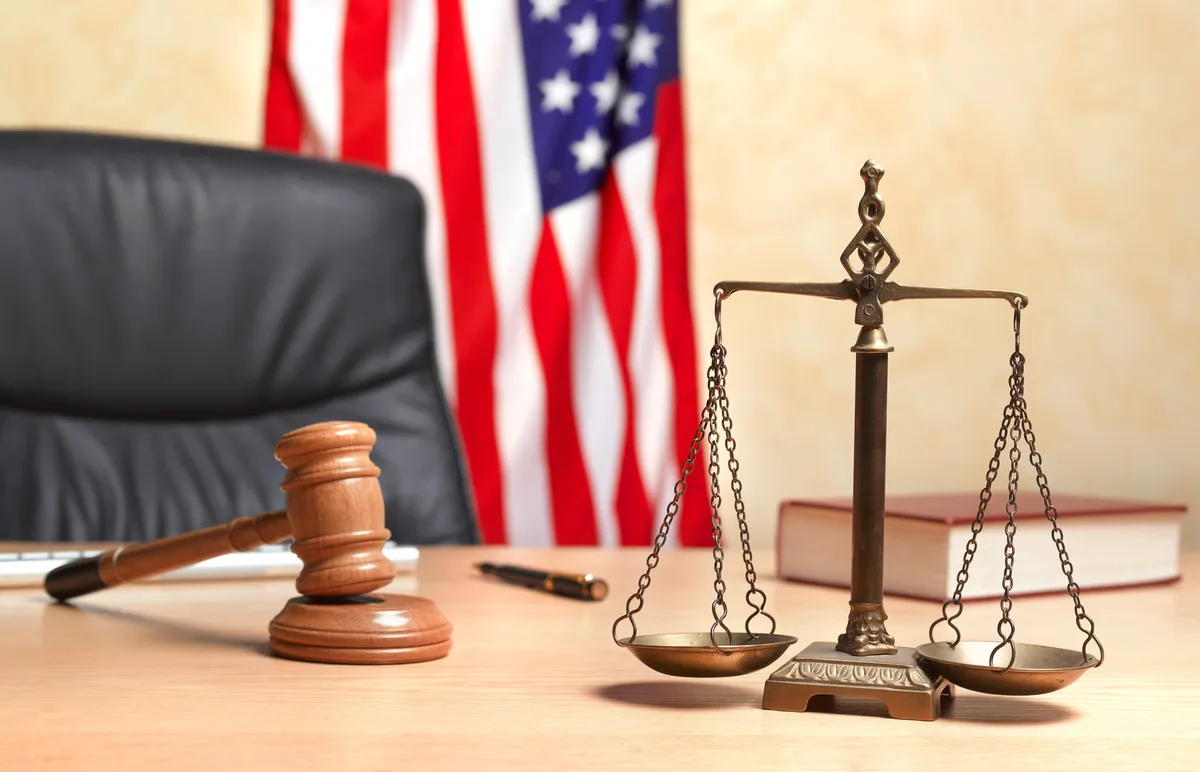
In a recent incident that has drawn considerable attention, a judge's offhand comment about a defendant has sparked a broader conversation about judicial conduct and accountability in the American legal system. Describing a defendant as an ‘entitled little snot’ during a courtroom proceeding, the judge later expressed regret for the remark, yet maintained that it did not compromise their capability to serve on the bench. This situation raises pressing questions about the responsibilities of judges and how their personal opinions can influence their roles in the courtroom.
The comments, made public through a court transcript, are particularly alarming given the critical nature of a judge's impartiality in maintaining the integrity of the legal system. Judges are expected to uphold the law without bias, and such remarks can undermine public confidence in their ability to do so. This incident serves as a reminder of the delicate balance judges must maintain between their personal beliefs and professional responsibilities.
The Importance of Judicial Impartiality
Judicial impartiality is a cornerstone of the American legal system. It ensures that all individuals receive a fair trial, regardless of their background or circumstances. When a judge expresses personal opinions, especially in a derogatory manner, it can lead to questions about their ability to remain neutral. This situation is further complicated by the public's perception of the judiciary, which can be significantly influenced by such comments.
Judges are held to high ethical standards, and their conduct is monitored by various regulatory bodies. The American Bar Association (ABA) outlines these standards, emphasizing the importance of maintaining dignity and respect in the courtroom. However, breaches of these standards can lead to disciplinary actions, including reprimands, suspension, or even removal from the bench.

Repercussions of the Judge's Remarks
While the judge involved in this incident has expressed remorse, the implications of their comments are far-reaching. Critics argue that such remarks can perpetuate biases, especially against marginalized groups who may already face systemic inequities in the legal system. The potential for a judge’s personal biases to seep into their rulings raises concerns about fairness and justice.
Legal experts suggest that this incident could lead to a re-evaluation of how judges are trained and monitored. There is a growing call for greater accountability and transparency within the judiciary, ensuring that judges are not only held to high ethical standards but that they also understand the impact of their words and actions.
Public Perception and Trust in the Judiciary
The public's trust in the judiciary is essential for the legal system to function effectively. When judges make disparaging remarks, it can erode that trust, leading to a lack of confidence in judicial outcomes. This is particularly concerning in an era where public scrutiny of the legal system is at an all-time high, fueled by social media and 24-hour news cycles.
Research shows that public confidence in the courts is closely linked to perceptions of judicial fairness and impartiality. When judges are perceived as biased or unprofessional, it can lead to a decrease in public trust, which ultimately affects the willingness of individuals to engage with the legal system. This erosion of trust can have profound implications, particularly for those who rely on the courts to resolve disputes and seek justice.

Legal and Ethical Standards for Judges
The legal framework governing judicial conduct is designed to ensure judges act with integrity and impartiality. The Code of Conduct for United States Judges, established by the Judicial Conference of the United States, outlines key principles that judges must adhere to. These principles emphasize the need for judges to avoid impropriety and the appearance of impropriety, to perform their duties impartially, and to conduct themselves in a manner that promotes public confidence in the judiciary.
Judges are also subject to review by judicial conduct commissions, which investigate complaints against judges and can impose sanctions if necessary. The process for addressing judicial misconduct varies by state but generally includes opportunities for the judge to respond to allegations and for a hearing to determine appropriate actions.
Key Takeaways
- Judicial impartiality is essential for maintaining public trust in the legal system.
- Judges are held to high ethical standards, and breaches can lead to disciplinary actions.
- Public comments by judges can have significant impacts on their credibility and the perception of the judiciary.
- There is a growing call for greater accountability and transparency within the judiciary.
- Trust in the judiciary is crucial for individuals seeking justice and resolution of disputes.
Frequently Asked Questions
What constitutes judicial misconduct?
Judicial misconduct refers to inappropriate behavior by a judge that undermines the integrity of the judicial process. This includes actions such as bias, conflicts of interest, and making inappropriate comments in court. When judges violate ethical guidelines or legal standards, they may face disciplinary action, which can range from censure to removal from the bench.
How are judges held accountable for their conduct?
Judges are held accountable through a combination of self-regulation and oversight by external bodies. Many states have judicial conduct commissions that investigate complaints and can recommend disciplinary measures. Additionally, the public can file complaints against judges, prompting reviews of their behavior and decisions.
What should I do if I believe a judge has acted unethically?
If you believe a judge has acted unethically, you can file a complaint with the appropriate judicial conduct commission in your state. It's important to document your concerns and provide any evidence that supports your claims. The commission will review the complaint and determine whether further action is necessary.
Can a judge be removed from the bench for inappropriate comments?
Yes, a judge can be removed from the bench for inappropriate comments if they are deemed to violate ethical standards or undermine the integrity of the judicial process. The removal process typically involves an investigation and a hearing to assess the severity of the misconduct.
Comments
Shumaker's Commitment to Literacy Strengthens with Allie Gilbert’s Board Appointment
Allison I. Gilbert joins TutorSmart’s Board of Directors, reinforcing Shumaker's ongoing effort to enhance literacy in Toledo. With a background in education, Gilbert aims to make a significant impact on local students' reading skills.

Related articles






Popular in Business Law
- Supreme Court Justices' Financial Disclosures: A Closer Look
- Vishal Garg's Leadership Fallout: The Rise and Fall of Better.com
- Former Intelligence Official Faces Penalty for Post-Government Misconduct
- Blank Rome Faces Lawsuit After Major Data Breach Exposes Personal Information
- Congress Faces Reckoning Over Member-Staff Relationships