Trump's Election Security Claims: A Deep Dive into Voter Data Concerns
President Trump has raised alarms about foreign interference in U.S. elections, citing evidence of Chinese access to voter data. This article examines the implications of these claims, the response from intelligence agencies, and what it means for election security.
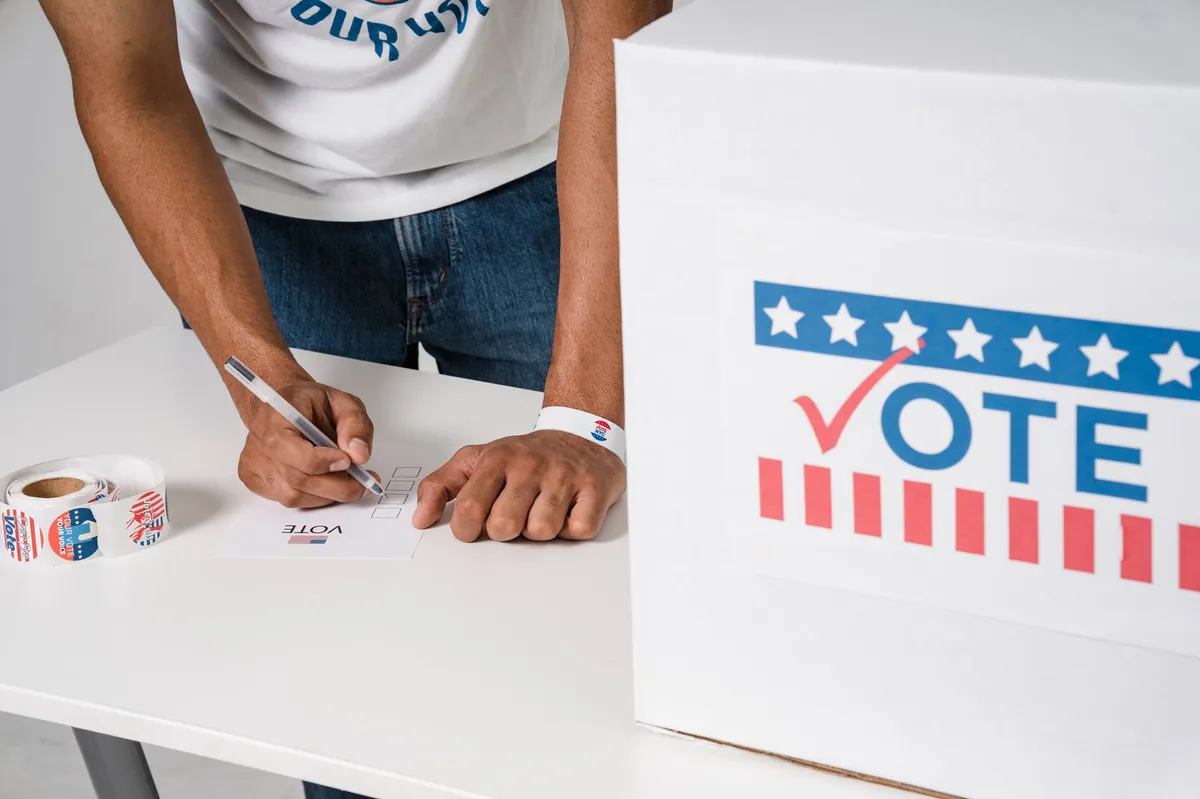
In a high-stakes primetime address, President Donald Trump recently declared an "election security nightmare," accusing the Chinese government of accessing sensitive personal information of millions of Americans, including data from voter rolls. This alarming assertion has sparked a renewed focus on election integrity and the potential vulnerabilities within the U.S. electoral system. But amidst these claims, questions arise regarding the validity of the evidence presented and the reactions from the intelligence community.
During his address, Trump characterized the situation as the "largest compromise of election data in history," alleging a breach of 220 million U.S. voter files. This statement, laden with gravity, demands scrutiny, especially considering the context of the intelligence reports he referenced. While Trump insists that the evidence is "irrefutable," a deeper dive into the actual findings reveals a more complex landscape regarding foreign interference and the state of U.S. election security.
Understanding the Allegations of Foreign Interference
Trump’s claims stem from declassified reports that purportedly show Beijing's efforts to collect voter registration data from 18 states. This data includes names, birth dates, home addresses, and political party affiliations of registered voters. These revelations have raised alarms not only within the political arena but also among cybersecurity experts who understand the implications of such data breaches.
The Nature of the Data Breach
One intelligence report released by the Trump administration indicates that the Chinese government has been engaged in long-standing efforts to gather information on U.S. voters and public opinion. According to the report, this information-gathering activity is not new; it has been under the radar of intelligence agencies for years. In fact, a 2021 assessment from the National Intelligence Council confirmed that China had likely collected information on election-related targets during the 2020 election cycle. However, that same report concluded that Beijing did not interfere with the election infrastructure, including vote tabulation or the transmission of results.
The discrepancy between Trump's assertions and the intelligence community's assessments raises questions about the interpretation and presentation of the evidence. While the data collection may demonstrate the vulnerabilities present in the electoral system, it does not necessarily equate to direct interference in the democratic process.

The Response from the Intelligence Community
U.S. intelligence agencies have long been aware of China's information-gathering tactics. The reports released by the White House, while alarming on the surface, largely reiterate what has been known in the intelligence community. They highlight ongoing vulnerabilities but do not substantiate claims of a catastrophic breach that could undermine the integrity of the electoral process.
Official Statements and Analysis
Trump's address also included accusations of a cover-up by what he referred to as the "deep state," suggesting that there was a deliberate effort to downplay the seriousness of these allegations. However, experts point out that the intelligence community’s findings are based on thorough assessments and are not influenced by political motives. The assertion that there is a cover-up undermines the credibility of the intelligence community, which has been working to secure election integrity over the years.
Moreover, the claims regarding potential election fraud and foreign interference seem to be part of a broader narrative that Trump has maintained since losing the 2020 presidential election. Many experts agree that Trump’s efforts to contest the election results are unfounded, as studies and analyses have shown that the election was conducted fairly.
Legislative Implications and Calls for Action
In light of these revelations, Trump has called for significant reforms in U.S. voting procedures, urging Congress to pass his proposed Save America Act. This legislation seeks to implement stricter measures for voter identification and limit mail-in voting, which Trump has labeled as corrupt. He claims that these reforms are essential to restore confidence in the electoral system and prevent future vulnerabilities.
Political Landscape and Resistance
The Save America Act has passed in the House but faces significant hurdles in the Senate, where it requires bipartisan support. Trump's repeated calls for Republican leadership to change Senate rules to facilitate the passage of the bill highlight the political divide surrounding election reform. The proposed measures have sparked debates about voter suppression versus election integrity, with many civil rights advocates warning that stricter ID laws could disenfranchise vulnerable populations.
Trump's insistence on contacting representatives to push for legislation reflects a tactical approach to mobilizing his base around the issue of election security. It’s a call to action that resonates with his supporters but adds to the ongoing polarization surrounding electoral processes in the U.S.

Broader Implications for Voter Confidence
The conversation surrounding election security is crucial, especially as the U.S. approaches future elections. Ensuring the integrity of the electoral process is paramount for maintaining public confidence in democratic institutions. Trump's emphasis on foreign interference, whether substantiated or exaggerated, may have long-lasting effects on voter perceptions and trust.
Restoring Public Trust
Efforts to restore public trust in elections must involve transparency, accountability, and bipartisan cooperation. While acknowledging vulnerabilities is essential, it is equally important to differentiate between genuine threats and politically motivated narratives. The discourse around election integrity should focus on building a robust electoral framework that protects against both foreign and domestic threats while ensuring that every eligible voter can participate without barriers.
Key Takeaways
- Foreign Data Access: Claims of Chinese access to U.S. voter data raise concerns about election security.
- Intelligence Assessments: U.S. intelligence agencies have long recognized foreign information-gathering but found no evidence of interference in vote counting.
- Legislative Action: Trump’s Save America Act proposes stricter voting measures amidst debates over election integrity.
- Public Confidence: Ongoing discussions about election security may impact voter trust in future elections.
Frequently Asked Questions
What specific evidence did Trump present regarding foreign interference?
During his address, Trump referenced declassified intelligence reports that suggest the Chinese government accessed voter registration data from various states. However, the reports have been criticized for lacking new evidence, as U.S. intelligence has been aware of such information-gathering activities for several years. The assessments do not support claims of direct interference in the electoral process itself.
How does the Save America Act aim to address election security?
The Save America Act proposes measures such as requiring photo identification for voters and eliminating mail-in voting. Trump's supporters argue these steps are necessary to prevent fraud, while critics contend they could disenfranchise eligible voters, particularly among marginalized communities. The act has sparked significant debate in Congress, reflecting the polarized nature of election reform.
What are the implications of these claims for future elections?
The continuous narrative surrounding foreign interference and election security could affect voter confidence in the electoral process. If voters believe that their elections are susceptible to foreign manipulation, they may become disenchanted with the democratic system. Efforts to restore confidence will require transparency and a commitment to secure electoral practices that protect against both external threats and domestic misinformation.
How can voters ensure their participation in future elections?
Voters can take proactive steps to ensure their participation by checking their registration status, understanding local voting laws, and advocating for accessible voting practices. Engaging with local representatives, attending town hall meetings, and participating in community discussions about election integrity can empower voters to influence the electoral process and protect their rights.
This content is general information and not legal advice.
Comments
Shumaker's Commitment to Literacy Strengthens with Allie Gilbert’s Board Appointment
Allison I. Gilbert joins TutorSmart’s Board of Directors, reinforcing Shumaker's ongoing effort to enhance literacy in Toledo. With a background in education, Gilbert aims to make a significant impact on local students' reading skills.

Related articles







Popular in Business Law
- Supreme Court Justices' Financial Disclosures: A Closer Look
- Vishal Garg's Leadership Fallout: The Rise and Fall of Better.com
- Former Intelligence Official Faces Penalty for Post-Government Misconduct
- Blank Rome Faces Lawsuit After Major Data Breach Exposes Personal Information
- Congress Faces Reckoning Over Member-Staff Relationships