Renewed Legal Challenge to Lithium Mine in Southern California
A nonprofit group in Southern California is fighting to halt a lithium mine project, citing environmental concerns and inadequate water resource assessments. As demand for lithium grows, the implications of this case extend beyond local boundaries, impacting energy policies and agricultural sustainability.
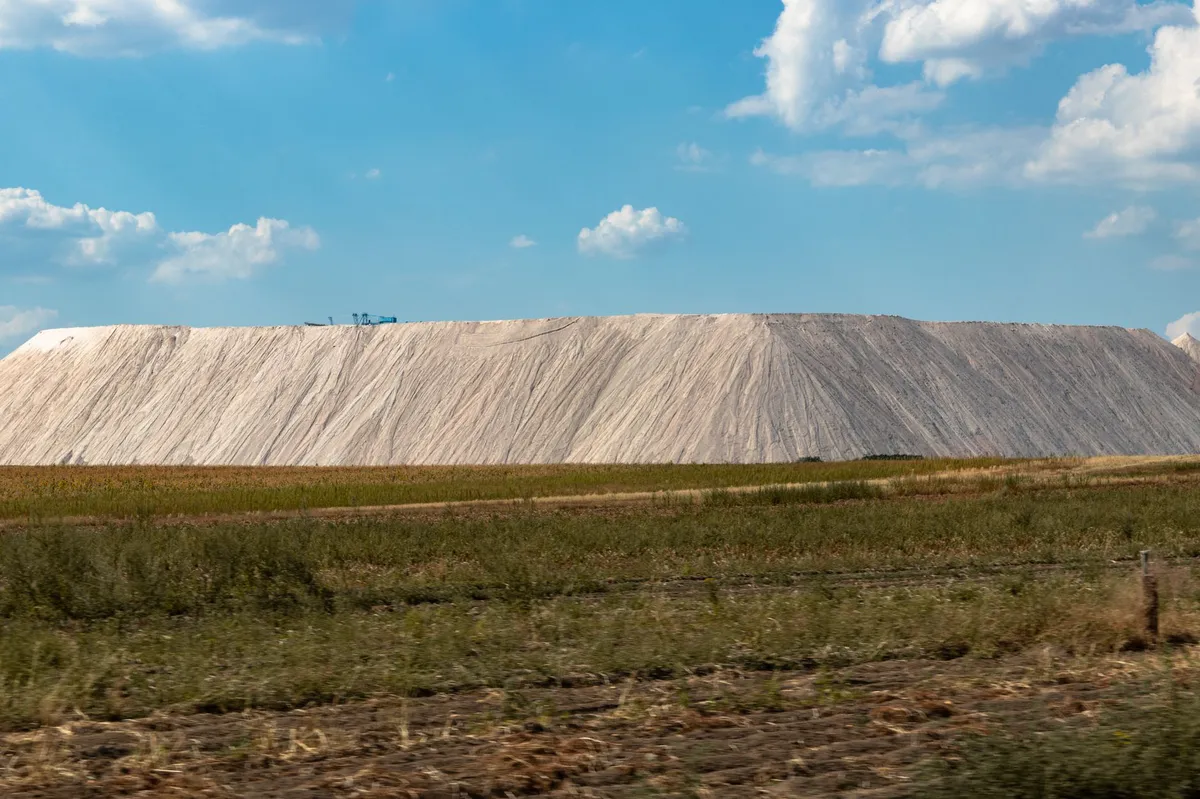
The development of a lithium mine and geothermal power plant in California's Imperial County has sparked significant controversy, leading to a renewed legal challenge from a community nonprofit. Comite Civico del Valle (CCV) has petitioned a state Court of Appeal to reconsider its earlier dismissal of their efforts to halt the project, which they argue poses serious threats to local environmental and water resources. As the demand for lithium grows with the rise of electric vehicles and renewable energy technologies, the implications of this legal battle extend far beyond the arid landscapes of Southern California.
The project, known as Hell's Kitchen, is situated near the Salton Sea, a region rich in geothermal resources. Controlled Thermal Resources (CTR), the company behind the initiative, asserts that lithium extraction can be integrated into geothermal power generation. However, the technology for large-scale lithium extraction from geothermal processes remains largely untested. The project's environmental and economic ramifications are at the forefront of the dispute.

Environmental Concerns and Legal Grounds
Comite Civico del Valle argues that the Imperial County Board of Supervisors has violated the California Environmental Quality Act (CEQA) by approving the project based on inadequate environmental assessments. The nonprofit claims that the environmental impact report (EIR) presented by CTR overstates water availability in a region already facing severe water shortages. Attorney Doug Carstens emphasized that the project is expected to consume approximately 6,500 acre-feet of water each year, equivalent to over 2 billion gallons. Given the increasing demands from agricultural, industrial, and renewable energy projects in the area, CCV warns that the water supply may not be sufficient to support all these activities.
The EIR is projected to evaluate water availability over a 20-year timeline, despite the project's anticipated lifespan of 50 years. This disparity raises critical questions about long-term water sustainability in a region already grappling with drought conditions and fluctuating water levels in key reservoirs, including the Colorado River. Carstens pointed out that current water availability assessments could become irrelevant as climate change exacerbates droughts and reduces water supplies.
Impact on Local Communities and Agriculture
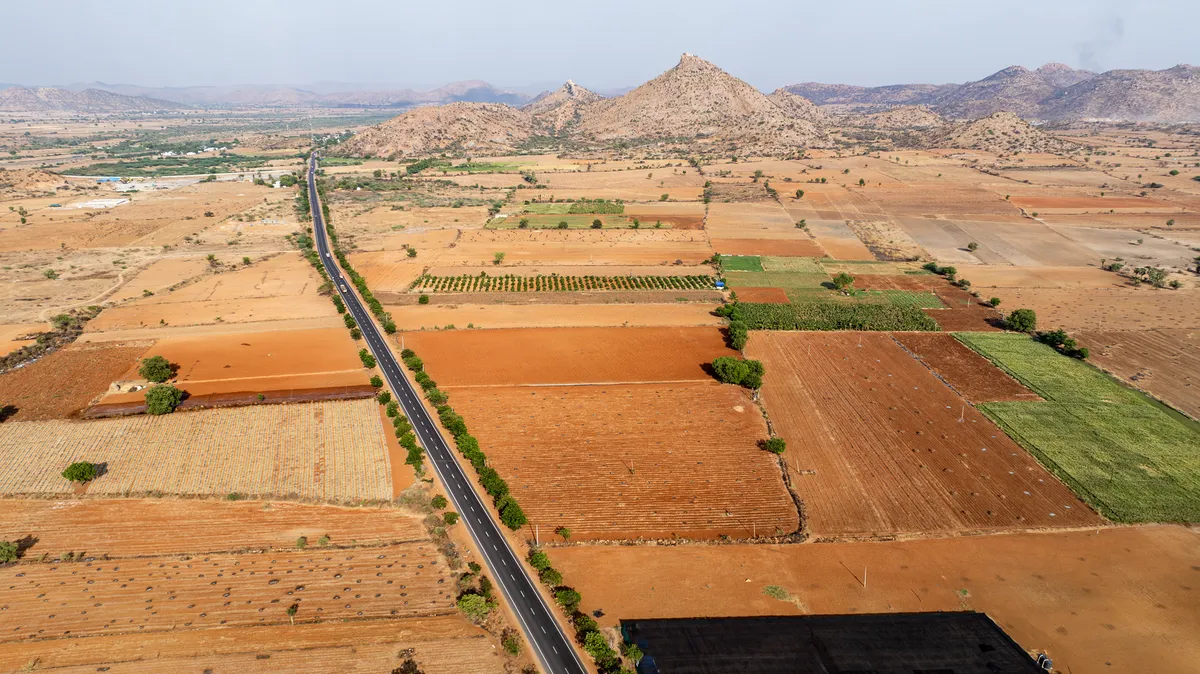
Beyond water supply issues, the project is expected to have profound implications for local communities and agriculture. Imperial County is known for its agricultural output, and the introduction of a large-scale lithium mining operation could disrupt the balance between agricultural needs and industrial water consumption. CCV’s opening brief highlights the potential for increased water scarcity, which could threaten local farms and exacerbate food insecurity.
Moreover, as the Salton Sea recedes due to evaporation and increased water demand, it exposes harmful chemicals in the lakebed that can negatively affect air quality. The nonprofit argues that these air quality concerns were not sufficiently addressed in the EIR, potentially putting nearby residents at risk.
- Water Usage: The lithium project is projected to use over 2 billion gallons of water annually.
- Environmental Impact: Concerns raised about air quality and agricultural sustainability.
- Tribal Consultation: Only two Native American tribes were consulted regarding the project’s impacts.
- Legal Timeline: The project is approved for 50 years, but water assessments only cover 20 years.

Disputed Claims and Responses
In response to CCV's arguments, the Imperial County and CTR representatives have disputed many of the claims made by the nonprofit. Attorney Suzanne Varco, representing CTR, asserted that 36 Native American tribes were contacted during the consultation process, and none identified significant cultural resources at the project site. Varco stated that communications with these tribes date back to 2016, and the consultation period officially ended in 2022.
However, the judges on the panel expressed concerns about the discrepancies in the EIR regarding the assessment of water availability over different timelines. Associate Justice Truc Do articulated doubts about the confidence one could have in the 50-year outlook based on the document's inconsistencies, emphasizing the need for clarity in such long-term assessments. The judicial panel’s inquiries suggest a growing recognition of the complexities involved in balancing environmental sustainability with the demands of industrial development.
The Bigger Picture: Lithium Demand and Economic Implications
The stakes in this legal battle extend beyond local environmental concerns; they reflect a broader national and global conversation about the future of energy and resource management. With California estimated to hold enough lithium beneath the Salton Sea to meet about one-third of the world’s current lithium demand, the potential economic benefits of lithium mining could be substantial. Proponents argue that the project could create jobs and generate much-needed tax revenue for one of California’s poorest counties.
As the world transitions to electric vehicles and renewable energy sources, lithium has become a critical component for batteries, further fueling demand. The push for lithium extraction in areas like the Salton Sea highlights the urgent need to balance economic development with environmental stewardship. As climate change intensifies water shortages and ecological degradation, the outcome of this legal challenge could set important precedents for future projects in similarly vulnerable regions.
Key Takeaways
- Legal Challenge: Nonprofit CCV is challenging the lithium mining project over environmental concerns.
- Water Resource Risks: The project is expected to consume significant water resources in a drought-prone area.
- Community Impact: Potential threats to local agriculture and air quality are at the forefront of the dispute.
- Long-Term Concerns: Inconsistencies in water availability assessments raise questions about sustainability.
- Economic Prospects: The project promises job creation and tax revenue but risks environmental degradation.
Frequently Asked Questions
What is the main legal issue surrounding the lithium mine project?
The core legal issue revolves around the claim that the Imperial County Board of Supervisors violated the California Environmental Quality Act (CEQA) by approving the lithium mine based on an inadequate environmental impact report. Critics argue that the report does not properly assess long-term water availability and fails to consider the impacts on local communities and ecosystems.
How does lithium mining impact local water resources?
Lithium mining is a water-intensive process, and the project is projected to use around 6,500 acre-feet of water annually. Given that Imperial County is already facing water shortages due to drought and competing demands from agriculture and other industries, the introduction of such a large-scale project could exacerbate water scarcity and negatively impact local agricultural operations.
What are the potential environmental consequences of the project?
The potential environmental consequences include increased air pollution as harmful chemicals from the Salton Sea lakebed are exposed due to evaporation. Additionally, the project may threaten local agricultural sustainability by diverting water resources away from farming, which could lead to food insecurity in a region that relies heavily on agriculture.
What is the significance of this legal battle for future projects?
This legal battle is significant as it highlights the complex interplay between industrial development and environmental sustainability. The outcome could set legal precedents for how similar projects are assessed in the future, particularly in ecologically sensitive areas. It also raises broader questions about how society balances the need for energy resources with the imperative to protect the environment and local communities.
This content is general information and not legal advice.
Comments
Shumaker's Commitment to Literacy Strengthens with Allie Gilbert’s Board Appointment
Allison I. Gilbert joins TutorSmart’s Board of Directors, reinforcing Shumaker's ongoing effort to enhance literacy in Toledo. With a background in education, Gilbert aims to make a significant impact on local students' reading skills.

Related articles







Popular in Business Law
- Supreme Court Justices' Financial Disclosures: A Closer Look
- Vishal Garg's Leadership Fallout: The Rise and Fall of Better.com
- Former Intelligence Official Faces Penalty for Post-Government Misconduct
- Blank Rome Faces Lawsuit After Major Data Breach Exposes Personal Information
- Congress Faces Reckoning Over Member-Staff Relationships