Legal Ethics Breach: Court Reprimands Lawyer for Misleading Citations
A recent reprimand by a U.S. appeals court highlights the critical importance of ethical standards in legal citation. This case serves as a reminder of the potential consequences for attorneys who manipulate or fabricate legal references.

In a striking reminder of the ethics that underpin the American legal system, a U.S. appeals court recently reprimanded a lawyer for utilizing what it termed "fake and hallucinated" citations in legal briefs. This case not only sheds light on the consequences of unethical legal practices but also raises important questions about the standards of accountability in the legal profession. As the court emphasized, the integrity of legal arguments is paramount, and any deviation from factual representation undermines the trust that the public places in the judicial system.
The repercussions of this case extend beyond mere disciplinary action; they reflect a broader issue within the legal community regarding citation practices and the pressures lawyers face to produce compelling arguments. The incident serves as a cautionary tale for legal professionals, reminding them that the accuracy of their references is just as critical as the arguments they make.
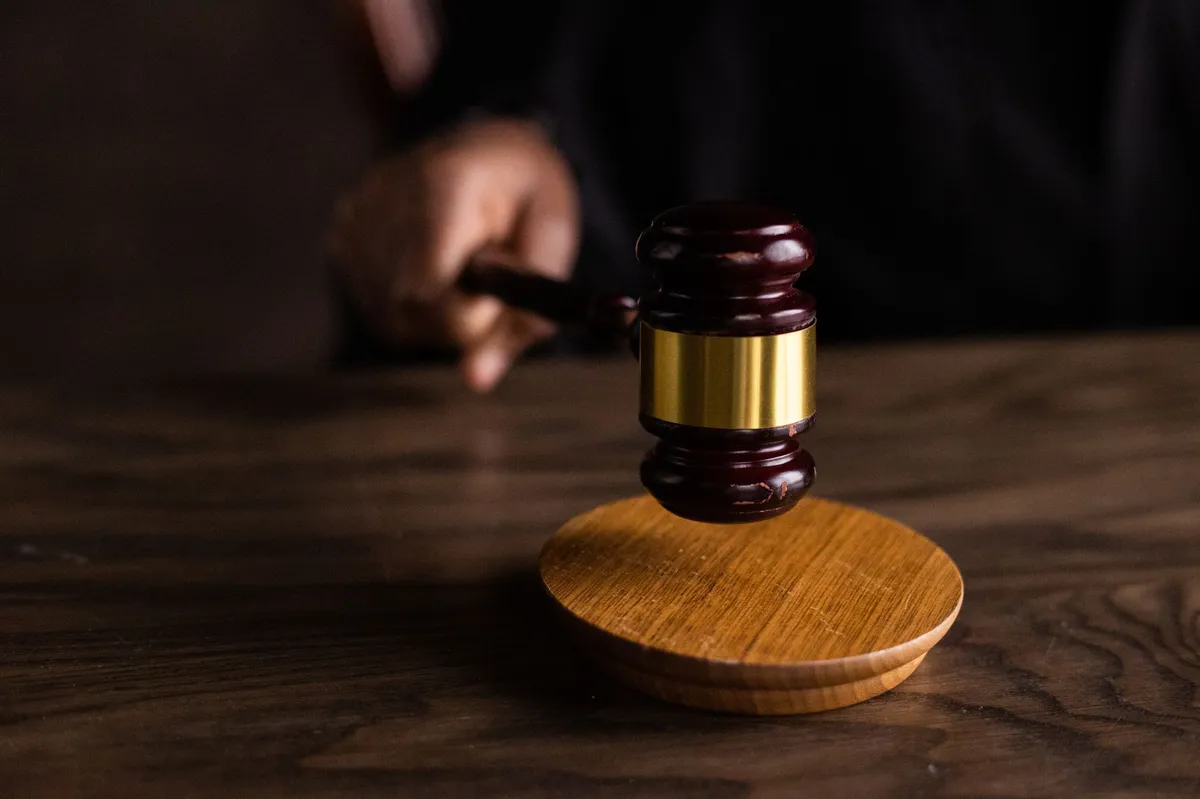
The Importance of Ethical Citation in Legal Practice
Legal citations serve as the backbone of any judicial argument, providing the requisite support for claims made in court. Each citation is a reference to previous cases, statutes, or legal principles that lend credence to a lawyer's position. When these citations are manipulated or fabricated, it jeopardizes the entire legal process. Courts rely on the honesty and integrity of legal counsel to ensure that justice is served fairly and accurately.
The Dangers of Misleading Citations
Misleading citations can lead to several adverse outcomes:
- Loss of Credibility: A lawyer caught using fabricated citations risks their professional reputation, which can have far-reaching implications for their career.
- Judicial Misconduct: Courts may question the integrity of the entire case, potentially leading to the dismissal of claims or sanctions against the offending attorney.
- Impact on Clients: Clients may suffer from the consequences of their lawyer's unethical behavior, jeopardizing their cases and financial stability.
- Legal Precedent: Such actions can set a dangerous precedent, encouraging others to engage in similar unethical practices.

Consequences of Ethical Violations
The recent reprimand serves as a crucial reminder that ethical violations in the legal profession are taken seriously. Depending on the severity of the misconduct, consequences may include:
Reprimands and Sanctions
Attorneys found guilty of ethical violations may face various disciplinary actions, including:
- Formal Reprimands: A written warning from the court or bar association detailing the unethical conduct.
- Suspension: Temporary removal from practicing law, which can last from months to years.
- Disbarment: Permanent revocation of a lawyer's license to practice law, usually reserved for the most egregious violations.
Legal Repercussions
In addition to professional consequences, lawyers may also face legal repercussions, such as:
- Malpractice Claims: Clients may file lawsuits against their attorneys for failing to represent their interests due to ethical lapses.
- Criminal Charges: In extreme cases, particularly involving fraud or deceit, lawyers could face criminal prosecution.
Why Legal Ethics Matter
The integrity of the legal system relies heavily on the ethical conduct of its practitioners. Legal ethics govern the behavior of attorneys and ensure that they act in the best interests of their clients while upholding the law. When lawyers stray from these ethical standards, the entire justice system suffers. Upholding ethical practices not only protects clients but also maintains public trust in legal institutions.
Public Trust and the Legal System
The legal profession is built on the principle of trust. Clients expect their lawyers to provide honest and accurate representation. When cases of ethical breaches come to light, it diminishes public confidence in the legal system. Restoring that trust requires rigorous enforcement of ethical standards and accountability for those who violate them.
Key Takeaways
- Legal citations must be accurate and trustworthy to maintain the integrity of the judicial process.
- Ethical violations can result in severe professional and legal consequences for attorneys.
- Upholding legal ethics is essential for preserving public trust in the legal system.
- Lawyers should be vigilant in their citation practices to avoid pitfalls that can endanger their careers.
Frequently Asked Questions
What are the consequences of using false citations in legal documents?
Using false citations can lead to disciplinary action from bar associations, including reprimands, suspension, or even disbarment. Additionally, attorneys risk legal repercussions, such as malpractice claims from clients who may be adversely affected by such unethical behavior.
How can lawyers ensure their citations are accurate?
Lawyers can ensure their citations are accurate by meticulously verifying each reference against reliable legal sources, such as court decisions, statutes, and legal treatises. Utilizing citation management tools and maintaining a habit of double-checking all references can also help uphold citation integrity.
What should clients do if they suspect their lawyer is using unethical practices?
If clients suspect their lawyer is engaging in unethical practices, such as using false citations, they should document their concerns and seek a second opinion from another legal professional. They may also consider reporting the lawyer to the appropriate state bar association or regulatory body.
Why are legal ethics important in the profession?
Legal ethics are vital because they govern the behavior and responsibilities of attorneys, ensuring they act in the best interests of their clients while upholding the law. Ethical standards help maintain the integrity of the legal system and public trust in legal institutions.
This content is general information and not legal advice.
Comments
Former Intelligence Official Faces Penalty for Post-Government Misconduct
Deirdre Walsh, a former high-ranking intelligence official, has settled a case involving post-government conduct violations with a $20,000 penalty. This case highlights the significance of ethical conduct for former officials and the laws safeguarding government integrity.

Related articles






Popular in Business Law
- Supreme Court Justices' Financial Disclosures: A Closer Look
- Vishal Garg's Leadership Fallout: The Rise and Fall of Better.com
- Former Intelligence Official Faces Penalty for Post-Government Misconduct
- Blank Rome Faces Lawsuit After Major Data Breach Exposes Personal Information
- Congress Faces Reckoning Over Member-Staff Relationships