Coalition of the Willing: Strengthening European Security and Support for Ukraine
In a pivotal meeting in Paris, 37 heads of state convened to bolster support for Ukraine and enhance European security. This event marks a significant step in what leaders describe as a united response to geopolitical challenges.

The geopolitical landscape of Europe is undergoing a significant transformation, as evidenced by a recent gathering in Paris where leaders from 37 nations convened to bolster support for Ukraine amidst ongoing conflict with Russia. This event, known as the 16th meeting of the "Coalition of the Willing," highlights a unified approach not only to assist Ukraine but also to reinforce the overall security architecture of Europe. With the stakes higher than ever, this coalition aims to create a more resilient and proactive stance against external threats.
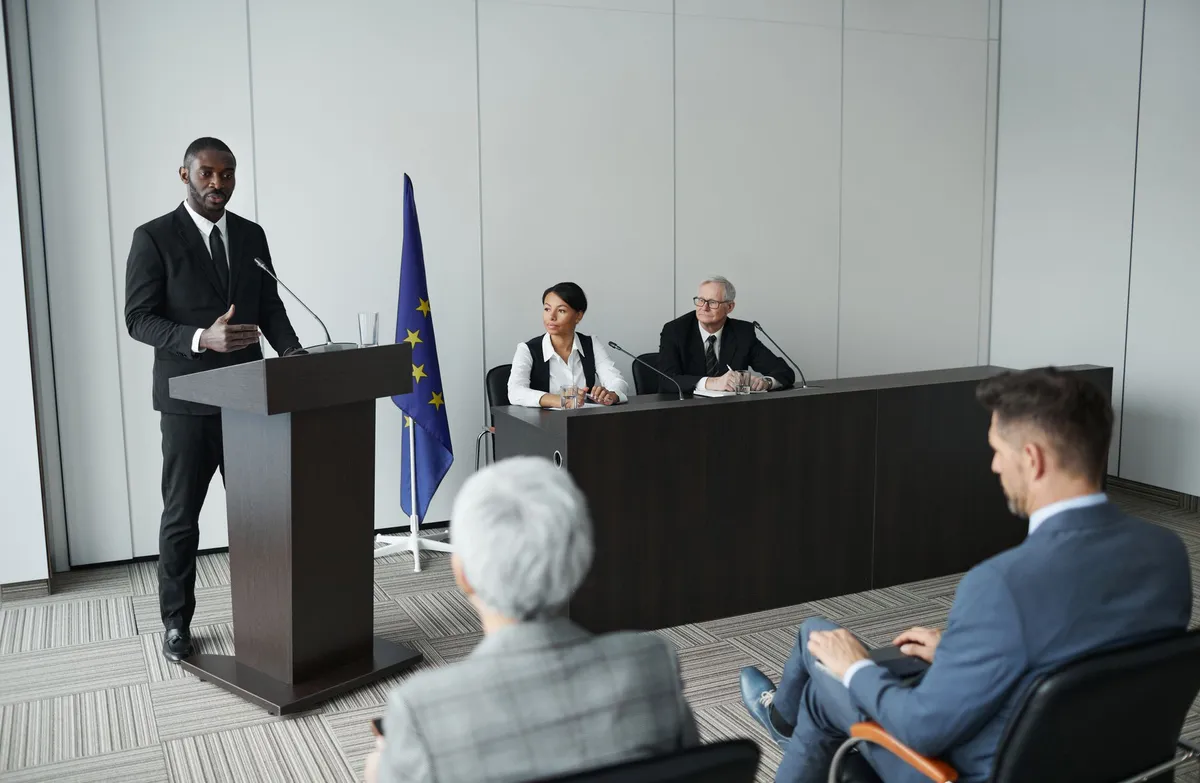
French President Emmanuel Macron, addressing the media at the Hôtel des Invalides, emphasized the importance of this coalition as a demonstration of European unity and strength. "What we’re building here is not just for Ukraine — it demonstrates that Europe can take charge of its own security and defend its interests," he stated, underscoring the need for a collective defense strategy that is both robust and realistic about the intentions of adversaries.

The Coalition of the Willing: A Unified Response
Launched in 2025, the Coalition of the Willing was conceived as a response to the escalating geopolitical tensions in Europe, primarily driven by Russia's actions. This coalition serves as a platform for member states to collaborate on security, defense, and humanitarian efforts aimed at stabilizing Ukraine and the surrounding region. The recent meeting in Paris marked a critical juncture in the coalition's ongoing efforts, with leaders discussing various strategies to enhance military and economic support for Ukraine.
Macron characterized this meeting as a pivotal moment in Europe’s response to the conflict, describing a "new sequence" of support that has already led to significant military gains for Ukraine. He noted that Russia is struggling on multiple fronts, both militarily and economically, and emphasized the need for continued collaboration among European nations.
New Defensive Initiatives
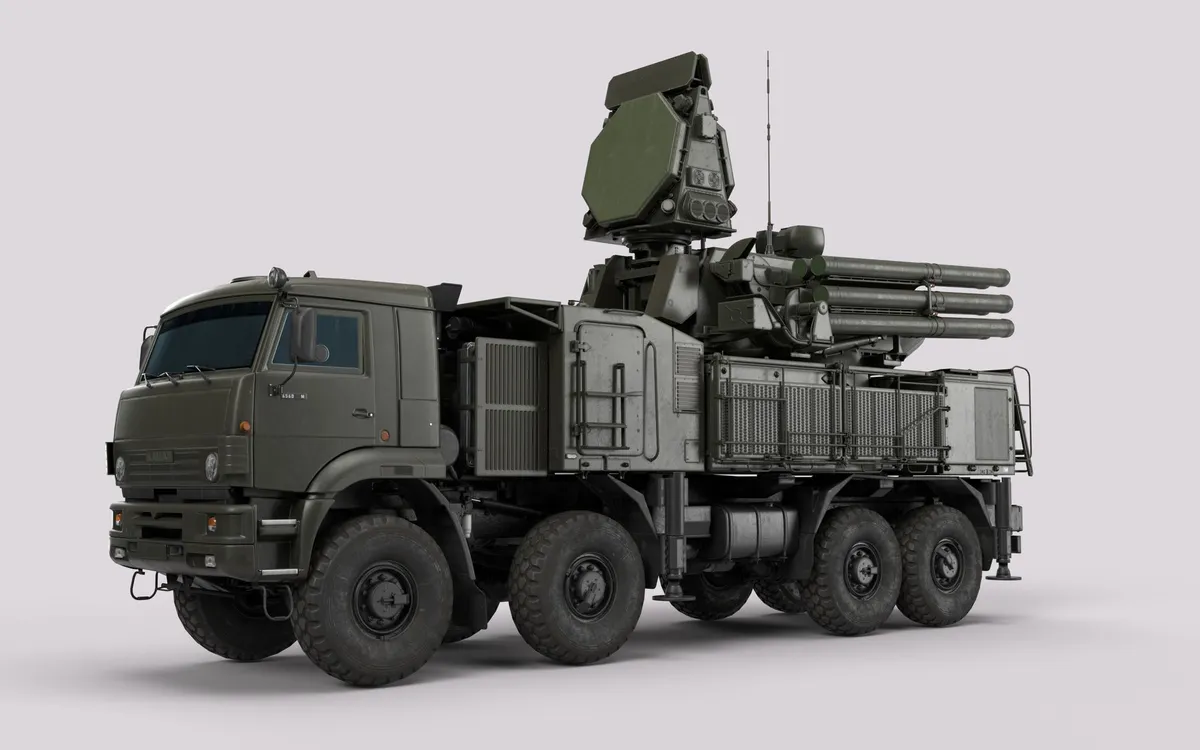
In a noteworthy development during the meeting, ten countries, including Denmark, Germany, and the UK, announced the formation of a new Anti-Ballistic Missile Coalition. This initiative is aimed at creating a defensive system that will enhance Ukraine's capabilities to intercept ballistic missiles, which have been a significant threat throughout the conflict. Ukrainian President Volodymyr Zelenskyy highlighted the urgent need for increased interceptors, stating, "In Ukraine, we don’t have enough interceptors to shoot down ballistic missiles, that’s the reality."
This coalition will not only focus on establishing joint technical working groups but will also work towards creating governance mechanisms to ensure the operational effectiveness of the missile defense system. The emphasis on a "purely defensive" posture reflects a strategic approach to deterrence while avoiding escalation in hostilities.
Expanding Military Cooperation
One of the key outcomes from the Paris meeting was an agreement to expand military cooperation between France and Ukraine. Macron announced that Ukraine will acquire new-generation SAMP/T batteries, vital for air defense, along with 16 Rafale fighter jets slated for delivery by 2028 or 2029. This development symbolizes a long-term commitment to strengthening Ukraine’s defensive capabilities amid ongoing hostilities.
Furthermore, the agreement includes the transfer of radar systems and missiles, along with supportive technologies to facilitate rapid deployment and operational readiness. The establishment of a "reassurance force" to support Ukraine post-ceasefire was also discussed, although the specifics of its deployment and operational mandate remain to be clarified.
Economic Support and Sanctions on Russia
Alongside military assistance, economic support was a major theme of the coalition’s discussions. The UK’s Prime Minister Keir Starmer announced that the UK would participate in the European Union’s $100 billion loan package to support Ukraine. This financial commitment is aimed at ensuring that Ukraine continues to receive essential supplies, including ammunition and advanced air defense systems.
Starmer stressed the importance of ramping up pressure on Russia through sanctions, particularly in light of ongoing cyber threats. Earlier on the same day, the UK and EU introduced a joint cyber sanction package targeting Russian state actors involved in malicious online activities. Starmer asserted that while the coalition does not seek confrontation, it will remain steadfast in its support for Ukraine amidst Russian intimidation tactics.

Conclusion: A Collective Future
The meeting in Paris represents a crucial moment for European security and the future of Ukraine. With leaders reiterating their commitment to support Ukraine, they send a strong message: the defense of Ukraine is not just a matter of regional stability but a fundamental investment in the security of Europe as a whole. Macron articulated this sentiment clearly, stating, "Support for Ukraine is an investment in our own security."
As the coalition continues to evolve and adapt to the challenges posed by Russia, the commitment of its members will be tested. The outcomes of these discussions will shape the future of not only Ukraine but the entire European continent as it navigates through an increasingly complex geopolitical landscape.
Key Takeaways
- The Coalition of the Willing is a collaborative effort among 37 nations to support Ukraine and enhance European security.
- A new Anti-Ballistic Missile Coalition aims to bolster Ukraine's defense capabilities against missile threats.
- Military cooperation between France and Ukraine is set to expand with significant arms transfers planned for the coming years.
- The UK and EU are working together to provide financial support to Ukraine while imposing sanctions on Russia.
- European leaders emphasize that support for Ukraine is vital for the continent's security and stability.
Frequently Asked Questions
What is the Coalition of the Willing?
The Coalition of the Willing is a collaborative group of European nations formed in 2025 to address security challenges and provide support to Ukraine amid its conflict with Russia. The coalition aims to foster unity among member states to enhance military readiness and economic support for Ukraine, reflecting a collective commitment to regional stability.
What is the purpose of the Anti-Ballistic Missile Coalition?
The Anti-Ballistic Missile Coalition, announced during the recent meeting in Paris, is designed to enhance Ukraine's defense capabilities against ballistic missile threats. By establishing joint technical working groups and governance mechanisms, the coalition aims to create a robust missile defense system that protects Ukraine and deters potential aggressors.
How is the UK supporting Ukraine economically?
The UK has committed to participating in the European Union’s $100 billion loan package aimed at providing financial assistance to Ukraine. This support is intended to ensure that Ukraine can continue to procure essential military supplies, including ammunition and air defense systems, crucial for its ongoing defense efforts against Russia.
What are the implications of military cooperation between France and Ukraine?
The military cooperation between France and Ukraine signifies a long-term commitment to strengthening Ukraine’s defense capabilities. The acquisition of new-generation air defense systems and fighter jets is expected to enhance Ukraine's military effectiveness, thus playing a key role in its ability to defend against ongoing aggression from Russia.
Comments
Former Intelligence Official Faces Penalty for Post-Government Misconduct
Deirdre Walsh, a former high-ranking intelligence official, has settled a case involving post-government conduct violations with a $20,000 penalty. This case highlights the significance of ethical conduct for former officials and the laws safeguarding government integrity.

Related articles







Popular in Business Law
- Supreme Court Justices' Financial Disclosures: A Closer Look
- Vishal Garg's Leadership Fallout: The Rise and Fall of Better.com
- Former Intelligence Official Faces Penalty for Post-Government Misconduct
- Blank Rome Faces Lawsuit After Major Data Breach Exposes Personal Information
- Congress Faces Reckoning Over Member-Staff Relationships