Supreme Court Justices Appeal for Increased Security Funding Amid Rising Threats
In an unusual move, Supreme Court justices testified before Congress, emphasizing the urgent need for enhanced security funding. This call comes as threats against judicial members escalate.
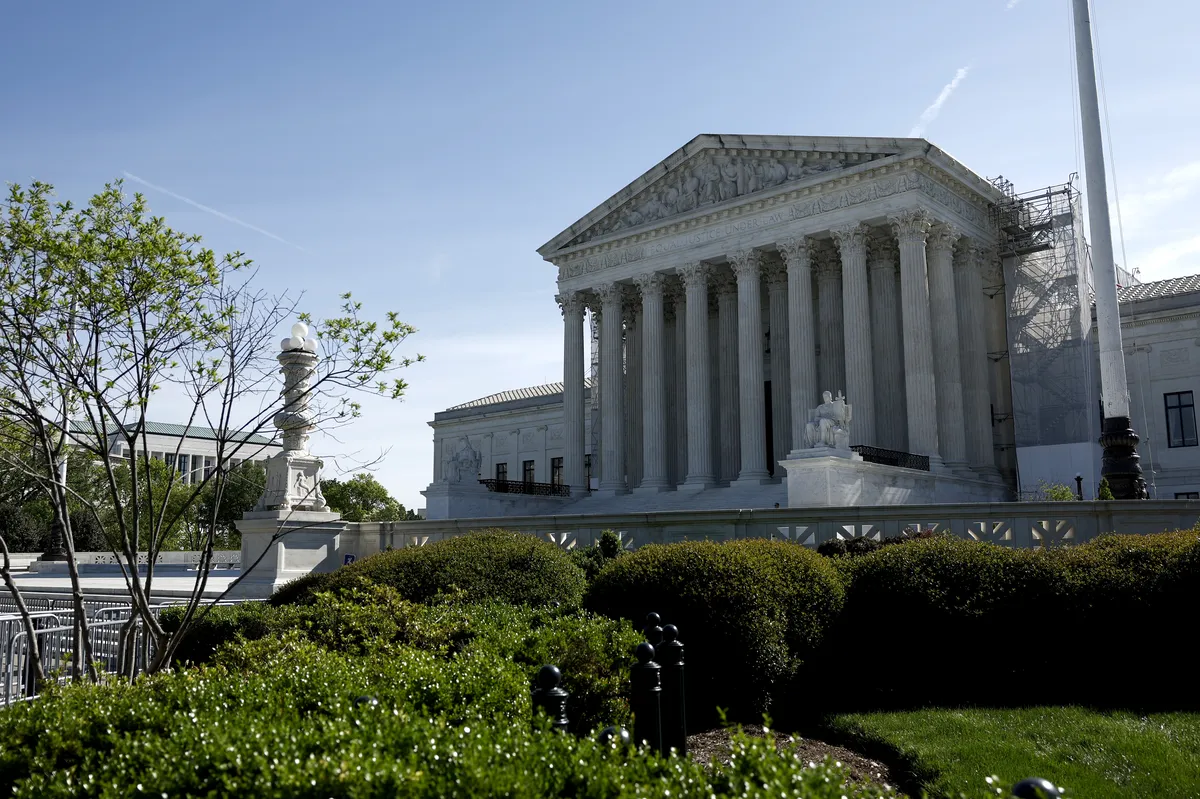
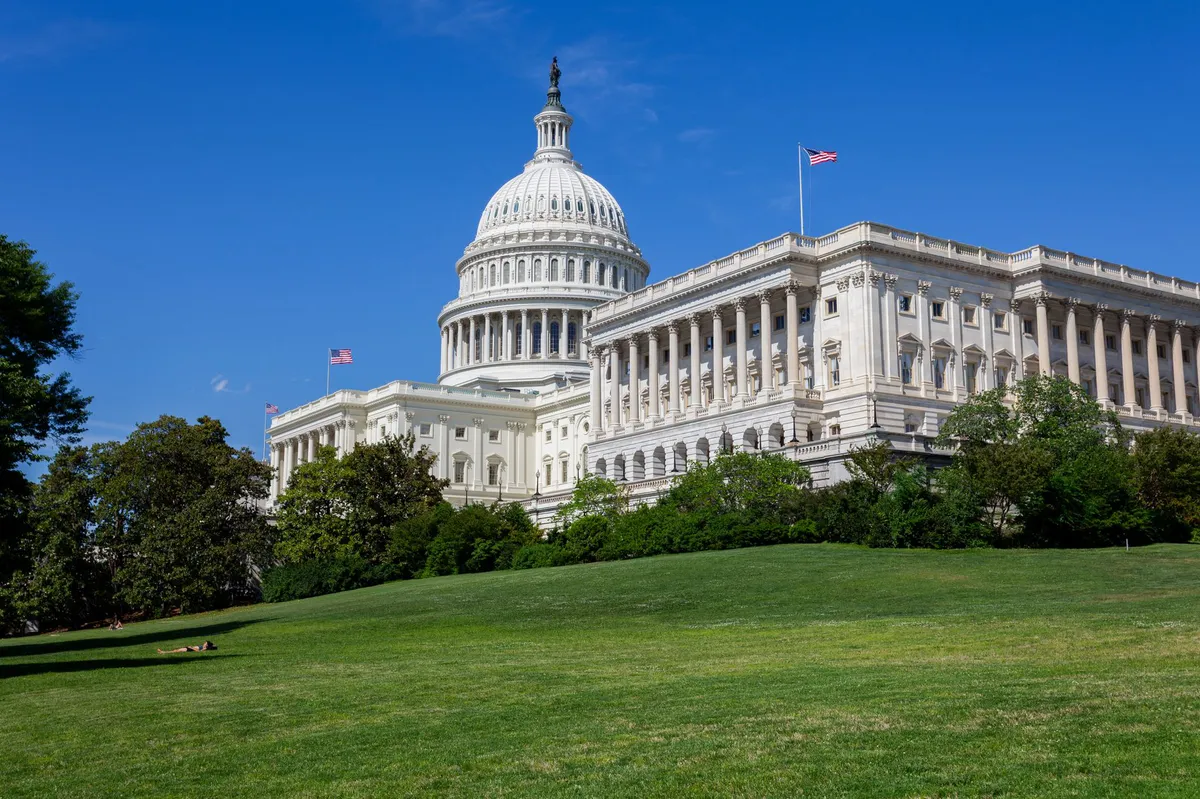
In an unprecedented move, several justices of the United States Supreme Court made their way to Capitol Hill to advocate for increased funding for their security measures. This rare congressional appearance underscores a growing concern among the nation’s highest court members regarding safety risks they face in today's volatile political climate. With the rise in public and political hostility towards the judiciary, justices are increasingly vocal about the need for enhanced protection.
The justices, including Chief Justice John Roberts, conveyed to lawmakers that the threats against them have escalated significantly, necessitating a more substantial financial commitment to their safety. The justices presented a compelling case that not only addresses their immediate concerns but also reflects broader implications for the integrity of the judicial system as a whole.
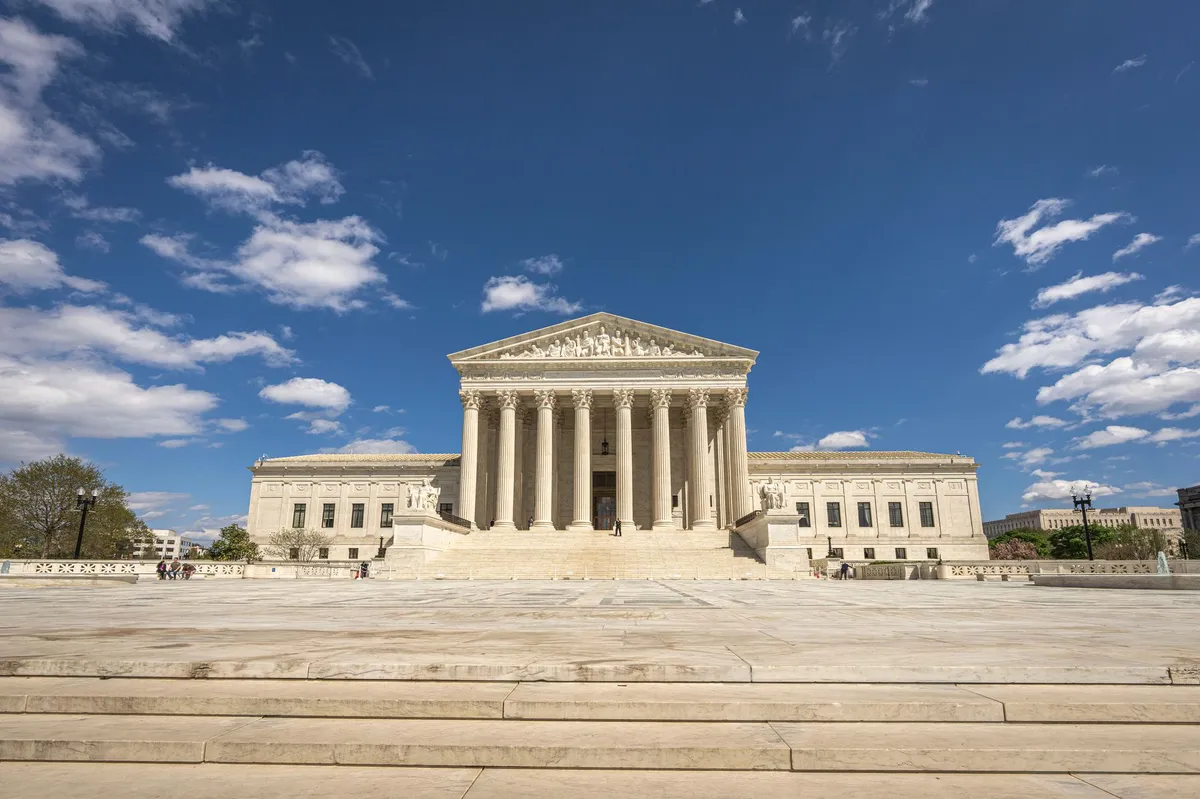
The Context of the Justices' Testimony
Normally, the justices refrain from public comment, adhering to a long-standing tradition of judicial restraint. Their recent testimony, however, points to a critical tipping point. Over the past few years, the political landscape has shifted dramatically, with increased rhetoric against the judiciary and heightened public scrutiny of court decisions. This environment has fostered a climate in which justices feel vulnerable.
The justices testified about specific incidents that have raised alarm bells, including threats made against their lives and the safety of their families. Such threats have been exacerbated by social media platforms, where misinformation and incitements can spread rapidly, further endangering those in the judiciary.
Understanding the Security Needs
During their testimony, the justices outlined several key areas where enhanced funding is necessary:
- Personal Security: Increased funding for individual justices' security personnel.
- Facility Security: Upgrades to secure locations where justices reside and work.
- Emergency Response: Improved emergency response protocols and training for judicial security teams.
- Public Awareness Campaigns: Initiatives to combat misinformation about the judiciary, which can lead to threats.
These areas highlight the pressing need for a comprehensive approach to security that not only safeguards individual justices but also protects the integrity of the judicial process. With the judicial branch being a critical pillar of democracy, ensuring the safety of its members is essential for maintaining public confidence in the rule of law.
The Legislative Response
The reaction from Congress has been mixed, reflecting the polarized nature of current political discourse. Some lawmakers expressed immediate support for increasing security funding, recognizing the importance of protecting the judiciary. Others, however, questioned the extent of the threats and the appropriateness of the funding request, citing budgetary constraints and competing priorities.
This debate raises fundamental questions about the role of government in safeguarding its institutions and officials. As threats against the judiciary become more pronounced, lawmakers must weigh the importance of adequate funding for judicial security against other pressing national issues, such as healthcare, education, and infrastructure.
What This Means for the Future of the Judiciary
The justices' appeal for enhanced security funding is not just about protecting their physical safety; it is about preserving the independence of the judiciary itself. A secure and respected judiciary is crucial for upholding the rule of law and ensuring fair and impartial justice. If justices are unable to perform their duties without fear for their safety, the effectiveness of the judicial system could be severely compromised.
The implications of this situation extend beyond the justices themselves. A judiciary that is perceived as vulnerable may lead to diminished public trust in judicial outcomes, potentially undermining the very fabric of democracy. As such, it is imperative that Congress takes the justices' concerns seriously and acts decisively to allocate necessary resources.

Key Takeaways
- The Supreme Court justices have called for increased security funding due to rising threats.
- This rare congressional appearance underscores the urgent need for improved safety measures.
- Concerns over judicial independence and public trust in the legal system are at stake.
Frequently Asked Questions
Why did the justices testify before Congress?
The justices testified to express their concerns about escalating threats against their safety, seeking increased funding for security measures. This unusual move highlights the seriousness of the situation and the need for legislative support.
What specific security measures are being requested?
The justices outlined several key areas for increased funding, including personal security enhancements, facility upgrades, emergency response improvements, and public awareness campaigns aimed at combating misinformation about the judiciary.
How has the political climate affected the judiciary's safety?
The current political climate, characterized by heightened rhetoric against the judiciary and increased public scrutiny, has contributed to a rise in threats against justices. This environment has compelled them to advocate for stronger security measures to protect their safety and maintain judicial independence.
What are the implications if funding is not increased?
If Congress fails to allocate necessary funding for judicial security, it could undermine the independence of the judiciary and erode public trust in the legal system. A vulnerable judiciary may struggle to perform its essential functions, impacting the rule of law and the overall health of democracy.
This content is general information, not legal advice.
Comments
Former Intelligence Official Faces Penalty for Post-Government Misconduct
Deirdre Walsh, a former high-ranking intelligence official, has settled a case involving post-government conduct violations with a $20,000 penalty. This case highlights the significance of ethical conduct for former officials and the laws safeguarding government integrity.
Related articles






Popular in Business Law
- Supreme Court Justices' Financial Disclosures: A Closer Look
- Vishal Garg's Leadership Fallout: The Rise and Fall of Better.com
- Former Intelligence Official Faces Penalty for Post-Government Misconduct
- Blank Rome Faces Lawsuit After Major Data Breach Exposes Personal Information
- Congress Faces Reckoning Over Member-Staff Relationships