Canada's Strategic Pivot to Europe: Carney's Vision for a Unique Alliance
Amid escalating tensions with the U.S., Canadian Prime Minister Mark Carney embarks on a pivotal trip to Europe, seeking to deepen economic and strategic ties with the EU. This article explores the implications of Carney's proposed 'unique alliance' and what it means for Canada's future.
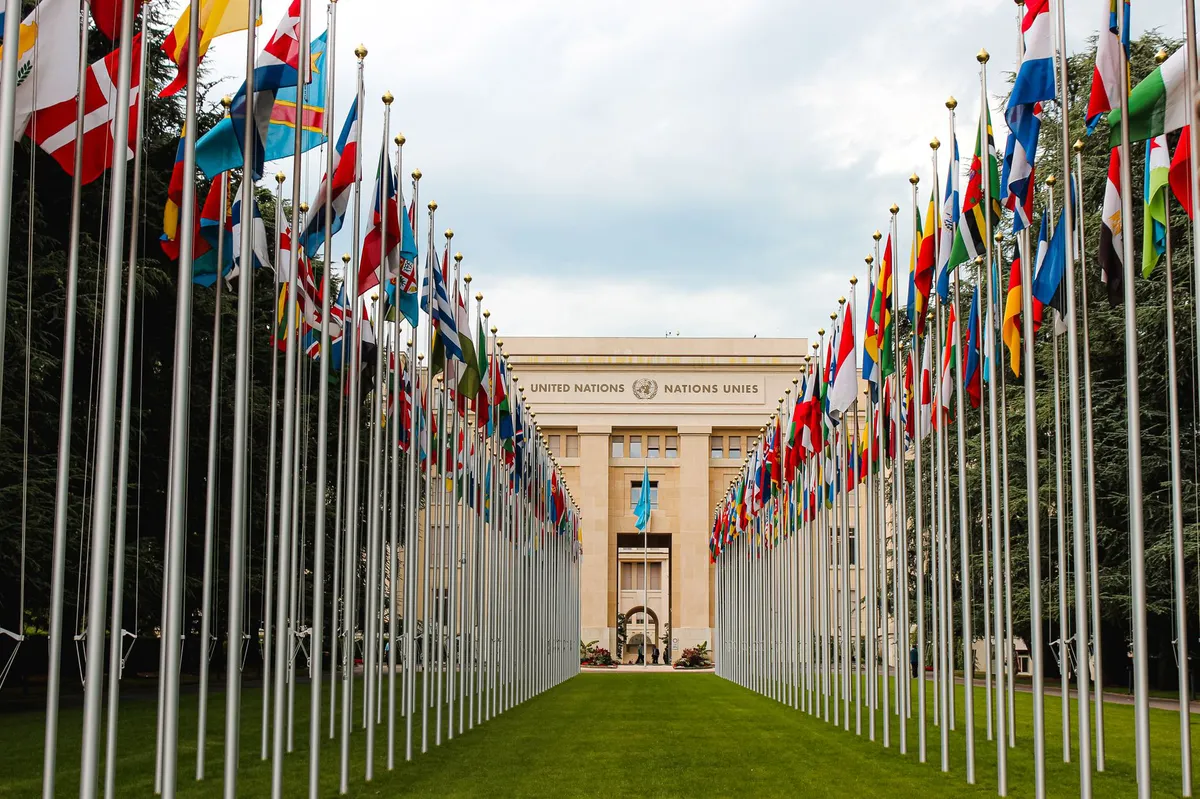
In a significant shift in diplomatic strategy, Canadian Prime Minister Mark Carney is set to embark on a high-profile trip to Europe aimed at strengthening economic and strategic ties with the European Union (EU). This initiative comes as Canada faces mounting trade tensions with its southern neighbor, the United States, particularly under the contentious leadership of President Donald Trump. Carney's visit, dubbed a 'pivot to Europe,' signals a desire to explore new partnerships and alliances that could reshape Canada's global standing.
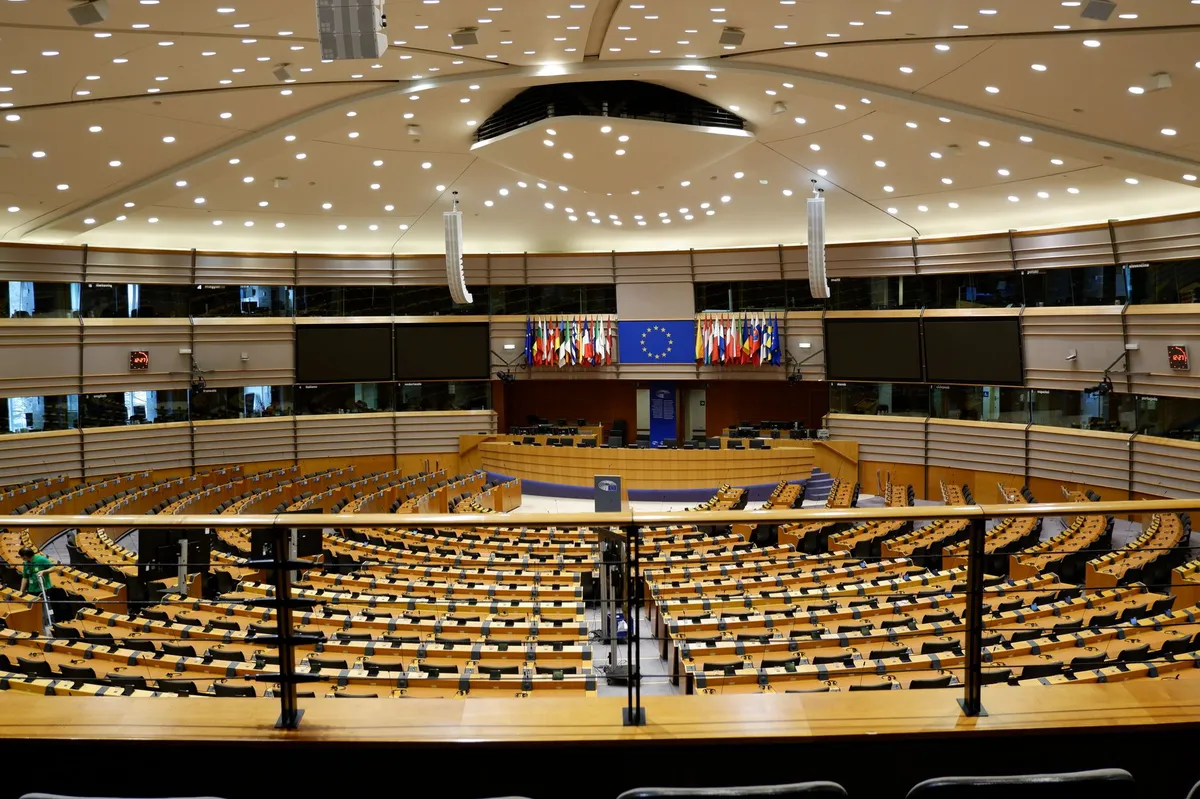
Scheduled to attend the State of the Union address by European Commission President Ursula von der Leyen, Carney plans to articulate his vision for enhanced EU-Canada relations in a subsequent speech to the European Parliament. Carney's remarks prior to the trip indicate a willingness to build what he describes as a "unique alliance" with the EU, although he has clarified that Canada does not seek to become an associate member of the 27-nation bloc.
The Context of Carney's Visit
Carney's diplomatic outreach occurs against the backdrop of a deteriorating trade relationship with the U.S. Over recent months, both nations have imposed reciprocal tariffs on billions of dollars in goods, leading to heightened economic friction. Historically, the U.S. has been Canada's largest trading partner, with approximately 70% of its exports directed south. However, in light of recent events, Carney is keen to reduce this dependence by fostering closer ties with Europe and other global markets.
During his visit, Carney aims to initiate discussions on a range of issues, including trade facilitation, investment opportunities, and the mobility of Canadians within the EU. He emphasizes shared values and complementary strengths between Canada and the EU, suggesting that a deepened partnership could be mutually beneficial.
Exploring the Concept of a 'Unique Alliance'
While Carney has not explicitly defined what a "unique alliance" entails, media reports suggest that both Canadian and EU officials are exploring options to enhance cooperation without formal EU membership. This idea aligns with a recent letter from German Chancellor Friedrich Merz, which proposed a framework for associate membership for countries like Ukraine, allowing them to engage with EU institutions without voting rights.
Finnish President Alexander Stubb's remark that Canada could be more akin to the 28th state of the EU than the 51st state of the U.S. underscores the growing sentiment in Europe that Canada could play a pivotal role on the continent. However, any proposal for deeper integration would require unanimous support from all EU member states, which remains a challenging hurdle given varying national interests.

Addressing Economic Integration and Trade
Carney's trip is not solely about political alliances; it is also about economic resilience. As Canada grapples with the implications of the ongoing trade war with the U.S., the Prime Minister is keen to diversify trade relationships. Bilateral trade between Canada and the EU currently stands at approximately $147 billion, making Europe Canada's second-largest trading partner after the U.S.
To capitalize on this potential, Canada and the EU have already laid some groundwork with a partially applied free-trade agreement and a defense partnership established in June 2025. Notably, Canada became the first non-European nation to join the EU's SAFE defense program, which provides Canadian companies access to significant joint procurement deals. As these frameworks continue to evolve, Carney hopes to position Canada as a key player in European and global markets.
- **Economic Diversification:** Reducing reliance on the U.S. through strengthened EU ties.
- **Trade Agreements:** Building on existing trade frameworks to enhance bilateral trade.
- **Defense Cooperation:** Canada’s involvement in the EU’s defense initiatives opens new avenues for collaboration.
Strategic Conversations with European Leaders
As part of his itinerary, Carney is set to meet with several key European leaders, including British Prime Minister Andy Burnham and French President Emmanuel Macron. These discussions will focus on critical areas such as artificial intelligence, energy cooperation, defense, and the supply of essential minerals, which have become increasingly important in the context of global supply chain vulnerabilities.
This visit marks the first time a Canadian Prime Minister has traveled to the French territory of Saint-Pierre and Miquelon, a remote archipelago off the coast of Newfoundland and Labrador. The choice of this location highlights the importance of regional ties and the potential for Canada to strengthen its presence in French-speaking territories.
The Philosophy Behind Carney's Approach
Carney's approach reflects a broader trend among middle powers to seek collaborative strategies to enhance their influence in an increasingly multipolar world. In a speech delivered at the World Economic Forum in Davos earlier this year, he emphasized the need for Canada and Europe to work together to bolster their bargaining power against larger superpowers.
He characterized the notion of a U.S.-led international order as a "fiction," pointing to various crises in finance, health, and geopolitics that have exposed vulnerabilities in such a system. By advocating for stronger ties with the EU, Carney aims to create a more balanced global landscape where middle powers can assert their interests more effectively.

Looking Ahead: The Future of Canada-EU Relations
As Carney wraps up his European tour, the outcomes of his discussions will likely have lasting implications for Canada-EU relations. The proposed initiatives could pave the way for a more integrated approach to trade, investment, and defense, ultimately enhancing Canada's economic resilience.
The upcoming summit in Montreal scheduled for late October will serve as a critical milestone in formalizing the proposals discussed during this trip. If successful, Carney's vision of a unique alliance with the EU could redefine Canada's role in the global economy and diminish its historical over-reliance on the U.S.
Key Takeaways
- **Strategic Shift:** Carney's visit to Europe aims to establish stronger ties amid U.S. trade tensions.
- **Unique Alliance Concept:** Discussions focus on potential partnerships without formal EU membership.
- **Economic Diversification:** Canada seeks to reduce dependence on the U.S. and enhance trade with Europe.
- **Defense Collaboration:** Canada's involvement in EU defense programs signifies a new era of cooperation.
Frequently Asked Questions
What does Carney mean by a "unique alliance" with the EU?
Carney's notion of a "unique alliance" refers to a partnership between Canada and the EU that emphasizes cooperation on trade, investment, and shared values without pursuing formal EU membership. This approach aims to leverage existing frameworks to deepen bilateral relations while maintaining Canada’s sovereignty and independence.
How will this trip impact Canada's economy?
The trip is expected to be a pivotal moment for Canada’s economic strategy, particularly as it seeks to diversify its trade relationships away from the U.S. By strengthening ties with the EU, Canada hopes to boost economic growth, enhance trade opportunities, and build resilience against economic shocks stemming from U.S.-Canada tensions.
What challenges does Canada face in forming an alliance with the EU?
One of the primary challenges is gaining unanimous support from all EU member states for any proposed partnership or associate membership model. Additionally, differing national interests within the EU may complicate negotiations. Canada must also navigate its historical ties with the U.S. while seeking to establish a more independent position on the global stage.
What are the implications of Canada joining EU defense programs?
Canada’s participation in EU defense initiatives, including the SAFE defense program, signifies a commitment to enhanced military cooperation and collaboration on security issues. This involvement could lead to increased investment in defense technology and joint procurement deals, ultimately strengthening Canada’s defense capabilities and its role in transatlantic security.
This content is general information and not legal advice.
Comments
Former San Francisco Investor Released on Bail Amid Fraud Allegations
Luke Brugnara, a former real estate investor, has been granted bail by a federal judge despite ongoing criminal allegations. His release comes with strict conditions, but he faces further legal troubles in San Mateo County.

Related articles





Popular in Business Law
- Supreme Court Justices' Financial Disclosures: A Closer Look
- Vishal Garg's Leadership Fallout: The Rise and Fall of Better.com
- Former Intelligence Official Faces Penalty for Post-Government Misconduct
- Blank Rome Faces Lawsuit After Major Data Breach Exposes Personal Information
- Congress Faces Reckoning Over Member-Staff Relationships