Alaska Judge Greenlights Controversial Gold Mining Project in National Park
A U.S. District Judge has approved a mining project by Contango Ore within Alaska's Lake Clark National Park, despite environmental concerns. The ruling allows the construction of infrastructure for gold mining, raising alarms among conservationists.
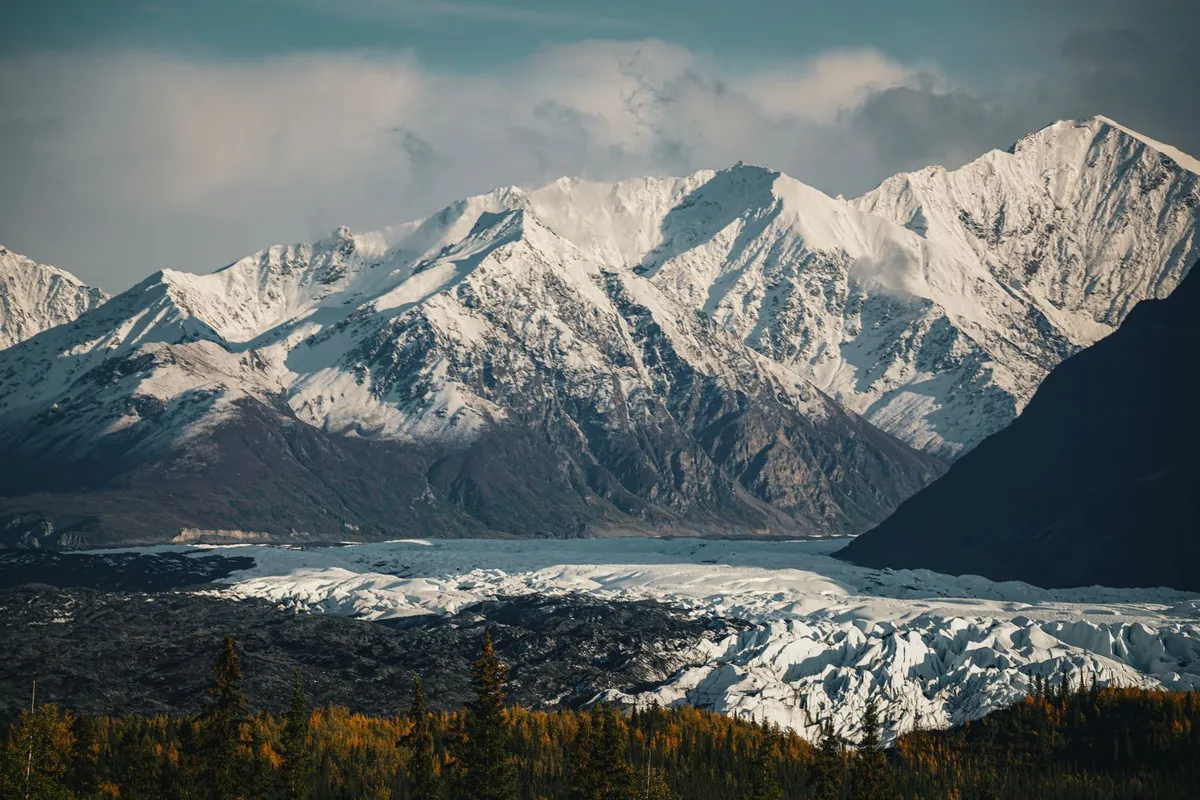
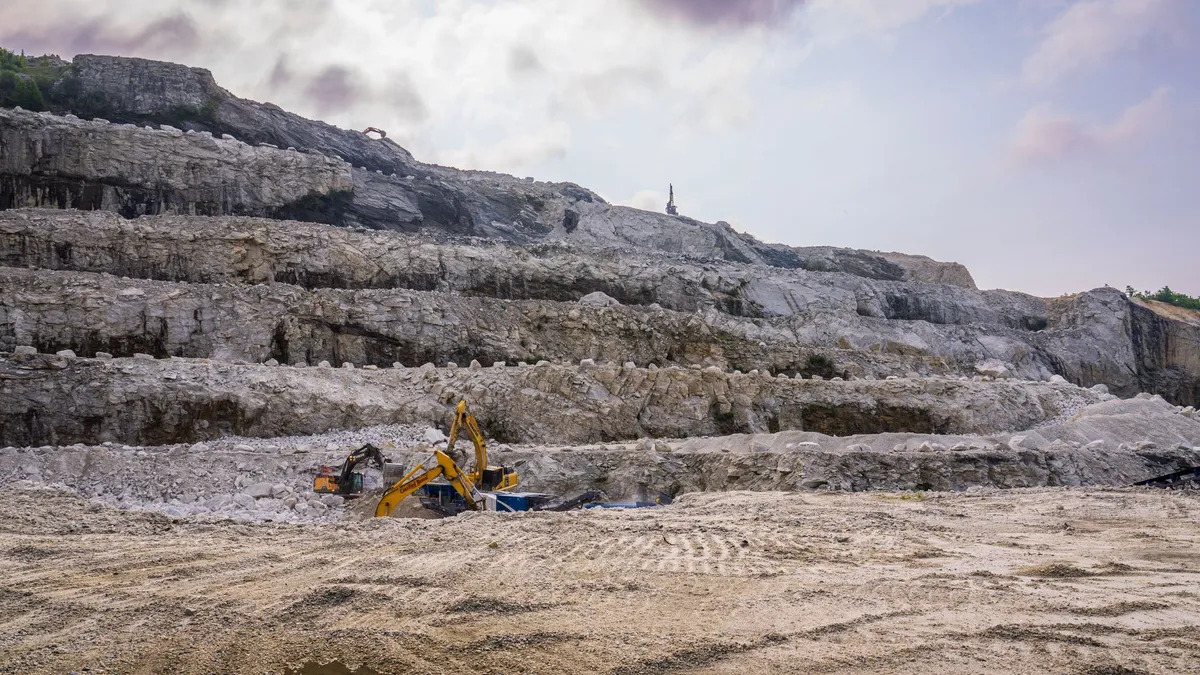
The tranquility of Alaska's Lake Clark National Park, renowned for its breathtaking landscapes and rich biodiversity, faces new challenges as a U.S. District Judge has paved the way for mining operations within its vicinity. Judge Sharon Gleason's recent ruling permits Contango Ore to construct an access road, expand an airstrip, and build a tunnel on a private land parcel surrounded by the park. This decision has ignited fierce debate among environmentalists, local residents, and industry supporters about the balance between economic development and ecological preservation.
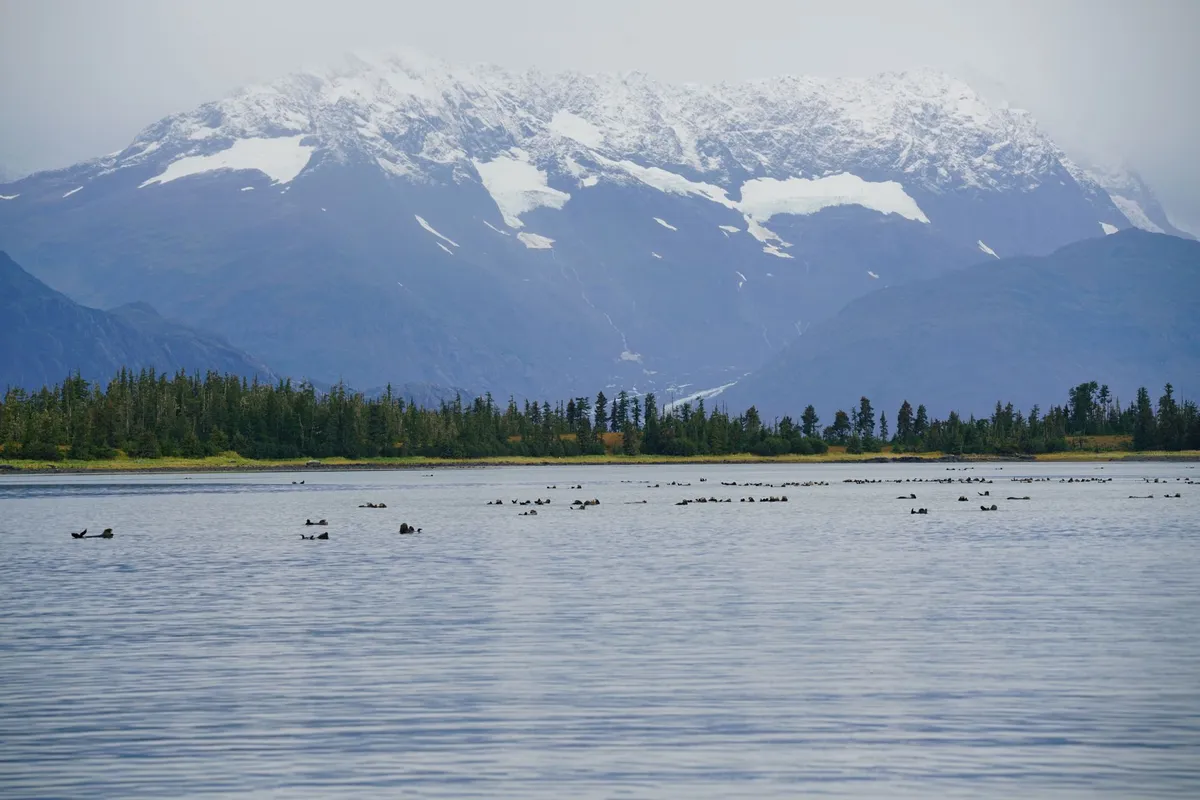
At the heart of the controversy is the Johnson Tract, a piece of land owned by Cook Inlet Region Inc., an Alaska Native corporation. This area is situated near the headwaters of a vital salmon river that flows into Cook Inlet, home to the critically endangered Cook Inlet beluga whale population. The implications of mining activities in this sensitive ecosystem are profound, raising concerns about potential environmental degradation that could affect both wildlife and local communities.
Legal Context and Environmental Concerns
Judge Gleason's ruling came amid significant pushback from conservation groups like Cook Inletkeeper and the Chickaloon Village Traditional Council, who argued that the U.S. Army Corps of Engineers failed to adequately consider the environmental impacts associated with the proposed mining activities. They contended that the Corps violated several key environmental laws, including the Endangered Species Act, the National Environmental Policy Act, and the Clean Water Act.
Despite these concerns, Gleason found that the Army Corps had not acted arbitrarily in its decision-making process. She ruled that the Corps provided a reasoned basis for its approval of the construction plans and determined that further consultation regarding the effects on the beluga whale population was unnecessary. This aspect of the ruling is particularly troubling for conservationists, who argue that the Corps’ assessment overlooked critical ecological factors, including potential increases in airplane noise, acid drainage, and sediment discharge into Cook Inlet waters.
Key Players and Stakeholders
The Johnson Tract's ownership by Cook Inlet Region Inc. adds a layer of complexity to the situation. As an Alaska Native corporation, it holds significant cultural and economic stakes in the region, often promoting development initiatives that can provide jobs and revenue. However, this development must be weighed against the potential harm to local ecosystems and wildlife. The balance between economic interests and environmental stewardship remains a contentious issue in Alaska, particularly among indigenous communities.
Contango Ore, the company seeking to initiate mining operations, has not publicly commented on the ruling, but it is likely to proceed with plans now that the legal barriers have been cleared. The project-specific Alaskan subsidiary, JT Mining Inc., also played a role in the case, intervening as a defendant to support the Army Corps’ position.
Environmentalists’ Response
Following the ruling, environmental groups have expressed disappointment, reiterating that the potential threats to the Cook Inlet beluga whales and the surrounding ecosystem must be taken seriously. The plaintiffs argue that the gaping holes in the Corps' analysis could lead to irreversible damage, not only to the wildlife but also to the fishing and tourism industries that rely on a healthy environment. They have vowed to continue their fight, potentially seeking further legal recourse or public mobilization efforts to address the ruling.

Implications for Future Mining Projects
This ruling may set a significant precedent for future mining projects within or near national parks and environmentally sensitive areas. As the demand for minerals and resources continues to grow, the legal frameworks surrounding environmental protections will be tested. The balance between resource extraction and ecological conservation will be scrutinized, with potential implications for how similar cases are handled across the United States.
Moreover, the decision raises questions about the effectiveness of current environmental regulations and whether they adequately protect vulnerable ecosystems. As states and federal agencies navigate the complexities of managing natural resources, this ruling could influence how mining permits are granted in the future, particularly in areas where endangered species are at risk.
h2>Key Takeaways- Judge Gleason's ruling permits mining operations in Lake Clark National Park, despite environmental concerns.
- The Johnson Tract, owned by an Alaska Native corporation, is central to the controversy.
- Conservationists argue that the ruling undermines protections for endangered species.
- This decision may set a precedent for future mining projects in sensitive areas.
Frequently Asked Questions
What are the main environmental concerns associated with the mining project?
The primary environmental concerns include potential harm to the Cook Inlet beluga whale population, increased noise pollution from air traffic, and the risk of acid drainage and sediment contamination in nearby waters. Environmentalists argue that these factors were insufficiently considered during the permit approval process, which could lead to significant ecological damage in the area.
How does the ruling impact local communities?
The ruling could have mixed impacts on local communities. On one hand, mining operations may provide economic opportunities, such as jobs and increased revenue for the Cook Inlet Region Inc. On the other hand, the potential environmental degradation could threaten the fishing and tourism industries that are vital to the region's economy and the cultural heritage of local indigenous communities.
What legal avenues are available for environmental groups following this decision?
Environmental groups may pursue further appeals or seek to challenge the ruling through public advocacy and mobilization efforts. They could also explore legislative avenues to strengthen environmental protections and push for more stringent regulations on mining activities in sensitive areas. Continued public awareness and activism will be crucial in shaping future decisions regarding resource extraction in Alaska.
What are the broader implications of this ruling for environmental law?
This ruling underscores the ongoing tension between economic development and environmental protection in U.S. law. It highlights the need for a re-evaluation of existing environmental regulations to ensure they adequately protect endangered species and sensitive ecosystems. As resource extraction demands grow, this case may influence how courts interpret environmental laws in future cases, potentially affecting similar projects nationwide.
This content is general information, not legal advice.
Comments
Canada's Strategic Pivot to Europe: Carney's Vision for a Unique Alliance
Amid escalating tensions with the U.S., Canadian Prime Minister Mark Carney embarks on a pivotal trip to Europe, seeking to deepen economic and strategic ties with the EU. This article explores the implications of Carney's proposed 'unique alliance' and what it means for Canada's future.

Related articles





Popular in Business Law
- Supreme Court Justices' Financial Disclosures: A Closer Look
- Vishal Garg's Leadership Fallout: The Rise and Fall of Better.com
- Former Intelligence Official Faces Penalty for Post-Government Misconduct
- Blank Rome Faces Lawsuit After Major Data Breach Exposes Personal Information
- Congress Faces Reckoning Over Member-Staff Relationships