Appeals Court Challenges for SCOTUSblog Founder Tom Goldstein's Conviction
Tom Goldstein, founder of SCOTUSblog, is appealing his conviction. Learn about the legal proceedings and implications this case may have on the legal community.
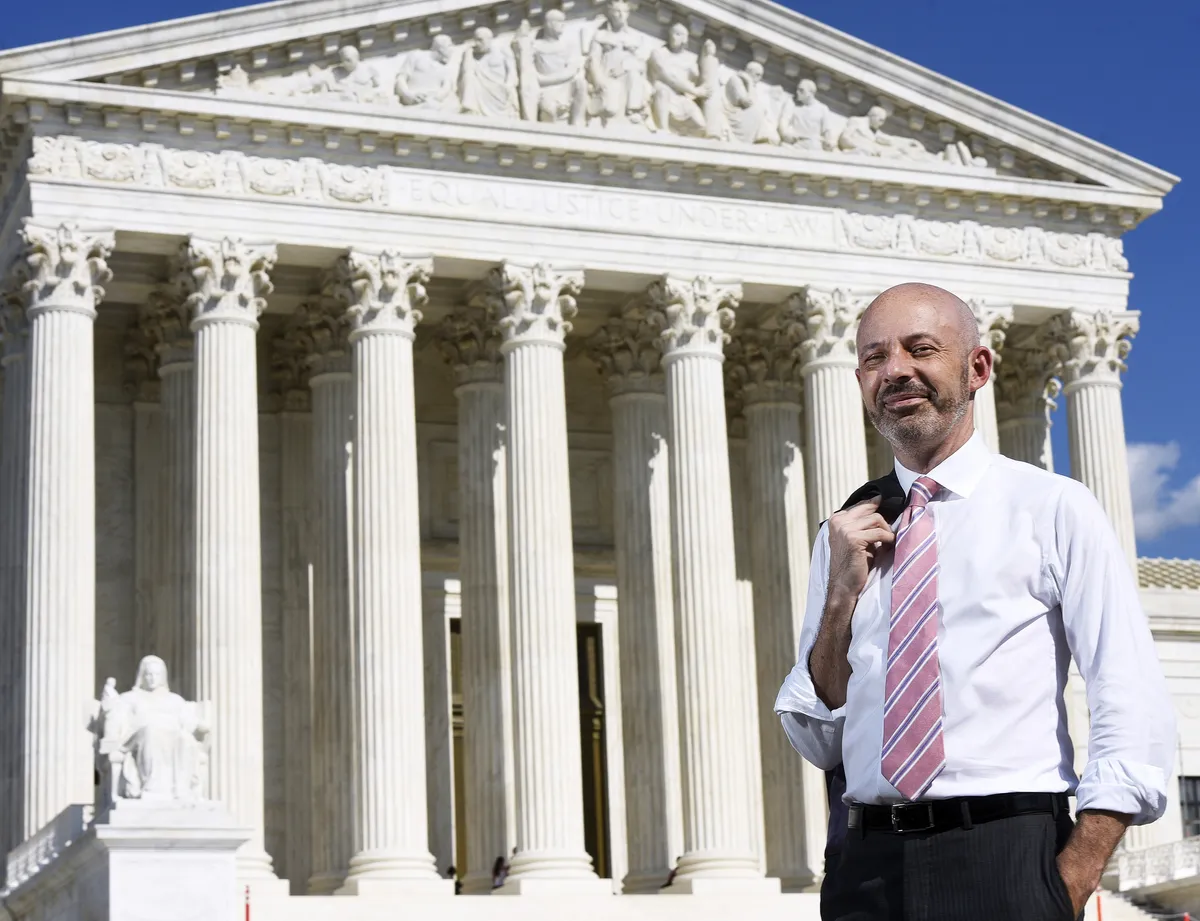
The legal world is often rife with compelling narratives, but few capture the tension between public perception and judicial proceedings quite like the case of Tom Goldstein, founder of SCOTUSblog. Recently, Goldstein's legal team took significant steps to challenge a conviction that has raised eyebrows and sparked discussions within both legal and media circles. As the founder of a highly influential platform that provides analysis of U.S. Supreme Court cases, Goldstein's case is not just another courtroom drama; it represents a critical moment for legal transparency and the rights of legal professionals.
Goldstein's conviction has sent shockwaves through the legal community, prompting questions about judicial fairness, the interpretation of legal standards, and the broader implications for those who seek to inform the public about the intricacies of the law. This article delves into the details surrounding the appeal, the legal framework at play, and the potential ramifications for Goldstein and the legal landscape as a whole.
Understanding the Conviction
At the heart of Goldstein's appeal is a conviction that many believe was not only mishandled but also misinterpreted. Goldstein was convicted on charges that have been described as controversial, prompting his legal team to assert that the ruling was unjust. The legal arguments presented in the appeal highlight the complexities of the case, emphasizing possible errors in the trial process that could warrant a reversal.
Legal Grounds for Appeal
Goldstein's attorneys are leveraging multiple legal grounds in their appeal, aiming to vacate the conviction on several fronts. Key arguments include:
- Procedural Errors: Claims that the trial court made significant errors that compromised the integrity of the judicial process.
- Insufficient Evidence: Arguments suggesting that the evidence presented during the trial did not meet the legal threshold for conviction.
- Judicial Bias: Allegations that the presiding judge may have exhibited bias, impacting the outcome of the trial.

The Role of SCOTUSblog
SCOTUSblog has become an essential resource for legal professionals and the public alike, offering timely insights and analysis on Supreme Court cases. Founded by Goldstein, the blog has carved a niche in legal journalism, providing a platform for discussion and dissemination of information. This context adds another layer of complexity to Goldstein's situation; many view his work as vital to fostering an informed citizenry regarding the judiciary.
The Impact on Legal Journalism
The implications of Goldstein's case extend beyond his personal situation. Should his conviction stand, it could set a concerning precedent for legal journalists and bloggers who strive to present accurate, insightful analyses of legal matters. The chilling effect of potential repercussions for outspoken legal commentators could deter professionals from engaging in critical discourse about judicial proceedings.
Potential Outcomes of the Appeal
As Goldstein's appeal progresses, several potential outcomes loom on the horizon. The appeals court may choose to:
- Uphold the Conviction: This outcome would affirm the original ruling, leaving Goldstein with limited options for further recourse.
- Vacate the Conviction: If successful, this could lead to Goldstein's exoneration, allowing him to reclaim his reputation and continue his work.
- Order a New Trial: This could provide Goldstein with a second chance to contest the charges in front of a new jury.

Why This Case Matters
The stakes in Goldstein's case are high, not just for him but for the broader legal community and the principles of justice. The outcome could influence the way legal professionals operate, particularly those who seek to inform the public about the complexities of the law. A conviction upheld could create a precedent that intimidates other legal commentators, while a successful appeal could reaffirm the importance of protecting free speech and the right to critique judicial processes.
The Broader Context of Legal Appeals
In the U.S. legal system, appeals are a crucial mechanism for ensuring that justice is served. They provide a check on trial court decisions, allowing for the correction of mistakes and the re-evaluation of evidence. Understanding the appellate process is essential for those following Goldstein’s case. Typically, appeals are based on legal arguments rather than factual disputes, which means that the focus is on whether the law was correctly applied during the trial.

Key Takeaways
- Tom Goldstein, founder of SCOTUSblog, is appealing his conviction.
- The appeal is based on claims of procedural errors and insufficient evidence.
- The outcome could significantly impact legal journalism and the rights of legal commentators.
- Possible results include upholding the conviction, vacating it, or ordering a new trial.
Frequently Asked Questions
What are the legal grounds for Goldstein's appeal?
Goldstein's appeal is grounded in several arguments, including claims of procedural errors made during the trial, assertions that the evidence presented was insufficient for a conviction, and concerns about potential judicial bias. These grounds aim to demonstrate that the trial was not conducted fairly, thus warranting a review and possible reversal of the conviction.
How could this case affect legal journalism?
The implications of Goldstein's case are profound for the field of legal journalism. A conviction that stands could deter journalists and commentators from pursuing critical discourse about the legal system due to fear of repercussions. Conversely, a successful appeal could bolster the notion that legal professionals have the right to engage in informed critique without facing unwarranted consequences.
What are the next steps in the appeal process?
The next steps in the appeal process will involve the appeals court reviewing the legal briefs submitted by Goldstein's legal team, as well as the prosecution's responses. The court may hold oral arguments where both sides present their cases, after which a decision will be rendered, determining the fate of Goldstein's conviction.
Could Goldstein seek further recourse if the appeal fails?
Should Goldstein's appeal be unsuccessful, he still has options for further recourse. He could potentially seek a rehearing in front of the same appellate court or even escalate the matter to the U.S. Supreme Court, depending on the legal questions involved. Each of these steps would require careful consideration of the legal landscape and the implications of pursuing additional appeals.
Disclaimer: The content is general information and not legal advice.
Comments
Canada's Strategic Pivot to Europe: Carney's Vision for a Unique Alliance
Amid escalating tensions with the U.S., Canadian Prime Minister Mark Carney embarks on a pivotal trip to Europe, seeking to deepen economic and strategic ties with the EU. This article explores the implications of Carney's proposed 'unique alliance' and what it means for Canada's future.
Related articles




Popular in Business Law
- Supreme Court Justices' Financial Disclosures: A Closer Look
- Vishal Garg's Leadership Fallout: The Rise and Fall of Better.com
- Former Intelligence Official Faces Penalty for Post-Government Misconduct
- Blank Rome Faces Lawsuit After Major Data Breach Exposes Personal Information
- Congress Faces Reckoning Over Member-Staff Relationships