Economic Turmoil: Inflation, Oil Prices, and Interest Rate Hikes Loom
As tensions with Iran escalate, rising oil prices contribute to inflation, influencing stock markets and prompting potential interest rate hikes by the Federal Reserve.
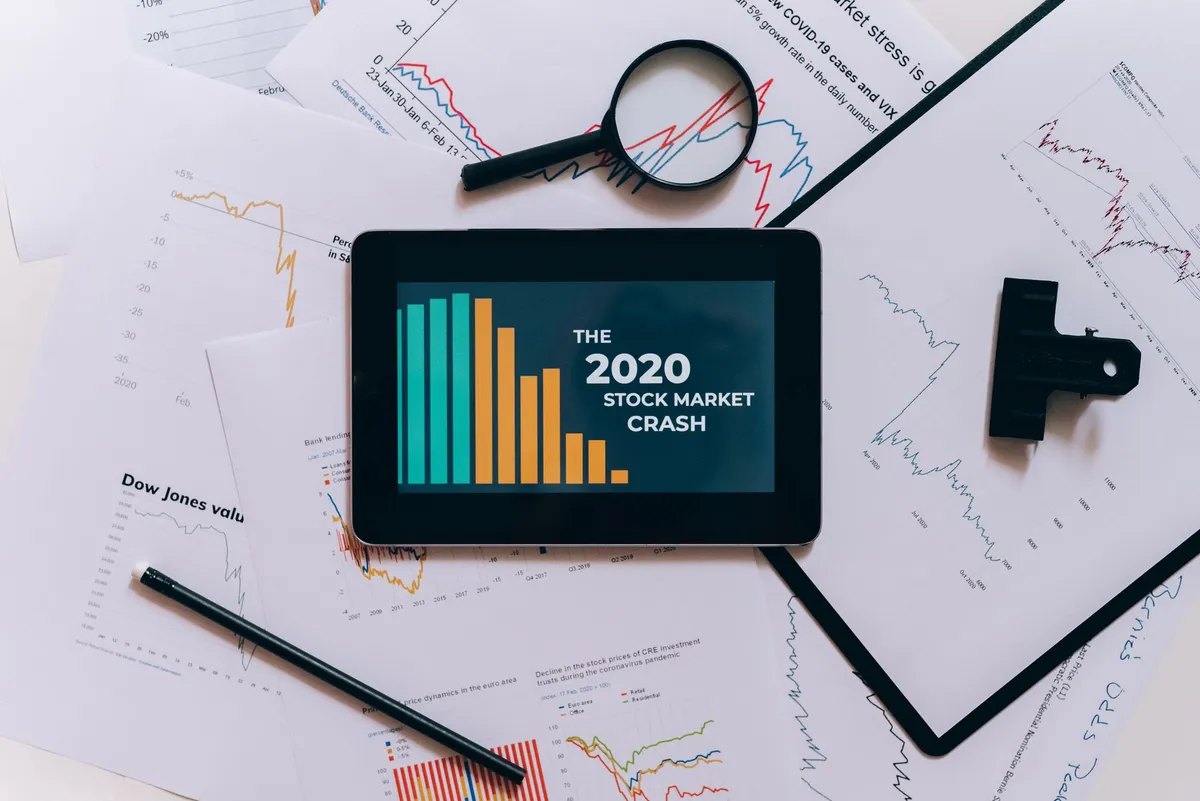
The current economic landscape is fraught with uncertainty as rising oil prices and persistent inflation pressures begin to affect various sectors of the economy. With tensions escalating in the Middle East, particularly concerning Iran, investors are on edge, leading to a significant downturn in the stock market. The Dow Jones Industrial Average, S&P 500, and Nasdaq have all seen considerable losses this week, reflecting growing concerns over rising energy costs and their wider implications.
Oil prices surged nearly 10% recently, driven by a decline in shipping traffic through the Strait of Hormuz, a critical conduit for global oil transport. By Friday afternoon, Brent crude oil was trading above $104 per barrel, a stark reminder of the volatility in energy markets. This spike has not only rattled investors but has also started reverberating through the economy, impacting supply chains and driving inflation higher.
Stock Market Reactions to Economic Pressures
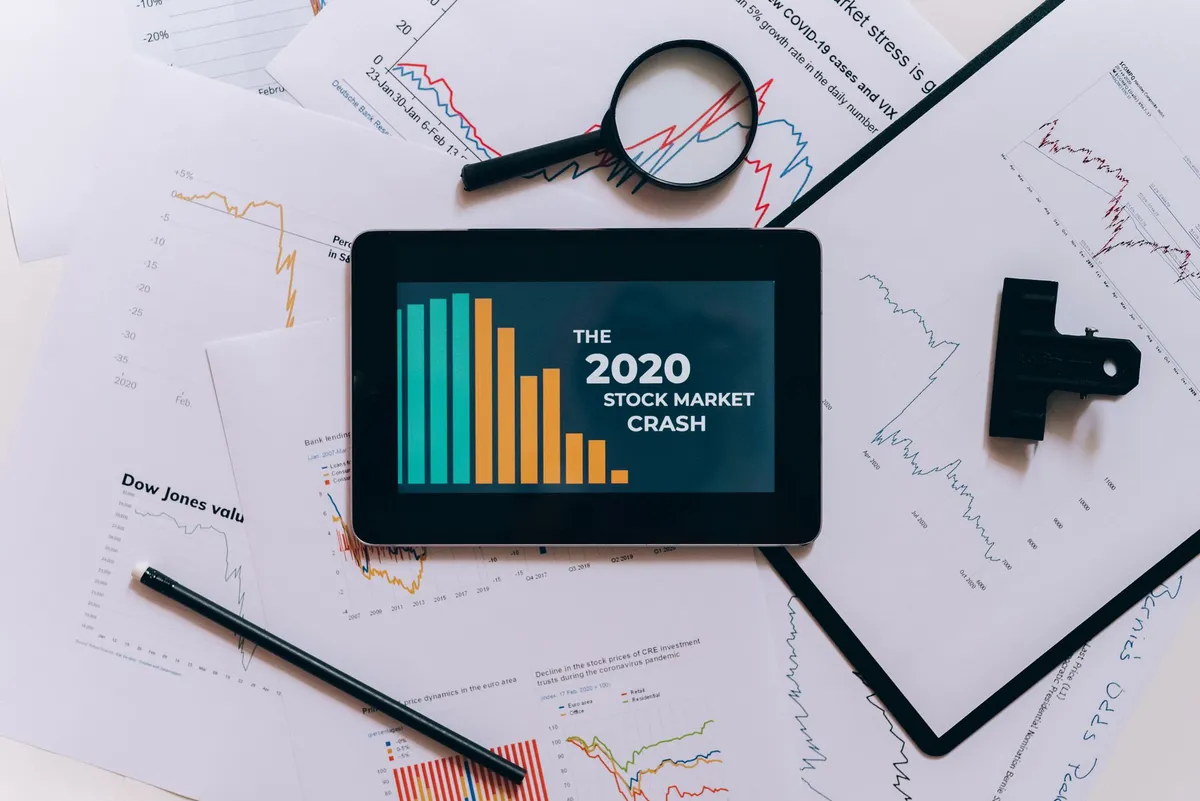
The immediate effects of rising oil prices are evident in the performance of major stock indices. The Dow Jones Industrial Average saw a substantial decline of 848 points over the week, while the S&P 500 fell by 62 points and the Nasdaq dropped 173 points. Analysts attribute this downturn to investors' fears regarding sustained inflation and its effects on corporate profits.
As energy costs rise, several industries are feeling the pinch. For instance, airline fares have increased by 2.7% since July and are nearly 24% higher than a year ago, while restaurant spending has surged by 3.4% over the same period. The rising costs of transportation and raw materials are squeezing consumer budgets, which could lead to decreased spending in other areas.
Inflation Trends and Economic Indicators
Recent economic reports indicate that inflation remains a persistent issue. The consumer price index (CPI) rose by 0.4% last month, aligning with economists' expectations, while the annual inflation rate has climbed to 3.4%. Additionally, the producer price index (PPI) has also seen a 0.4% increase for August, with energy prices being the primary contributor to this rise.
Sector-Specific Impacts
Different sectors are experiencing varying levels of impact from these inflationary pressures:
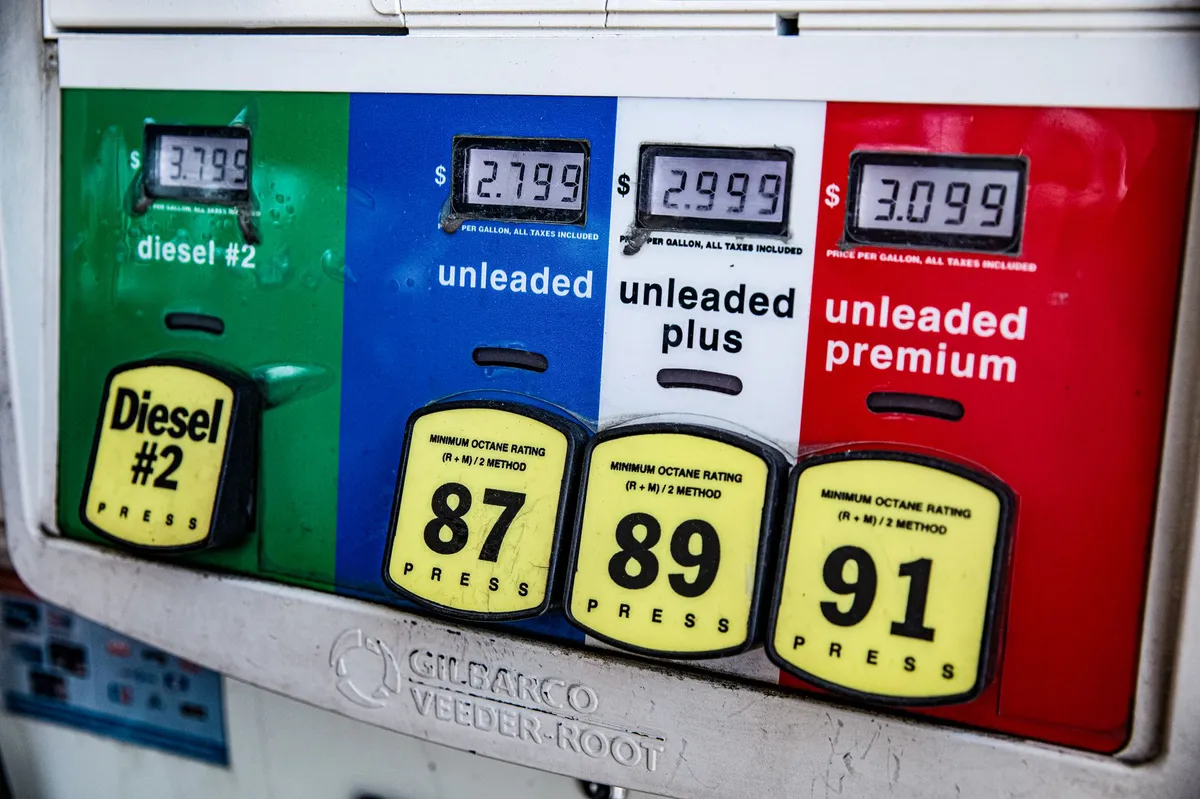
- Transportation: Rising diesel prices directly affect the cost of shipping goods, which can lead to higher prices for consumers.
- Food Supply: Diesel is crucial for farming equipment and transportation, meaning that increases in diesel prices can have a delayed effect on food prices, potentially up to nine months.
- Consumer Goods: As transportation costs rise, retailers may pass those costs onto consumers, further exacerbating inflation.
Experts predict that the upcoming CPI and PPI reports for September will likely reflect continued increases in energy prices, suggesting that inflation is far from under control.
The Federal Reserve's Response to Economic Conditions
With inflation remaining stubbornly high, many analysts believe that the Federal Reserve is poised to raise interest rates in its upcoming meeting. Some experts suggest that the central bank may increase rates by as much as 75 basis points, a move aimed at curbing inflationary pressures. The decision follows a similar path taken by the European Central Bank, which raised its interest rates earlier this week in response to energy costs.
Implications for Consumers and Businesses
The potential for rising interest rates comes at a time when consumer confidence is already waning. The University of Michigan’s preliminary reading for September indicates a drop in sentiment, especially among low- and middle-income households. Small businesses, too, are reporting challenges in navigating the current economic environment. According to the National Federation of Independent Business (NFIB), 62% of small businesses reported that supply chain disruptions were affecting their operations, compounding the issues of inflation and weakening sales.
NFIB Chief Economist Bill Dunkelberg highlighted that uncertainty remains high among small business owners, who face a myriad of challenges, including fluctuating sales, supply chain issues, and rising costs. Despite these hurdles, there remains a degree of optimism about the health of individual businesses.

Looking Ahead: Economic Uncertainty Continues
As the economy grapples with the dual threats of rising oil prices and persistent inflation, the outlook remains uncertain. The Federal Reserve's upcoming decisions regarding interest rates will be closely watched, as they could have significant implications for borrowing costs, consumer spending, and overall economic growth.
For everyday Americans, the impact of rising inflation and interest rates means higher costs for loans, mortgages, and credit cards, potentially squeezing household budgets even tighter. As businesses adjust to the changing economic landscape, consumers may find themselves facing higher prices across various goods and services.
Key Takeaways
- Rising oil prices have triggered significant declines in major stock indices.
- Inflation persists, with the consumer price index rising 3.4% annually.
- The Federal Reserve may raise interest rates by 75 basis points in response to inflationary pressures.
- Small businesses report challenges due to supply chain disruptions and inflation.
Frequently Asked Questions
What factors are driving the recent rise in oil prices?
The recent spike in oil prices can be attributed to several factors, including geopolitical tensions in the Middle East, specifically with Iran, and a decline in shipping traffic through crucial waterways like the Strait of Hormuz. These elements contribute to concerns about supply shortages, which in turn drive prices higher.
How will rising interest rates affect consumers?
Rising interest rates can lead to higher borrowing costs for consumers. This means loans, mortgages, and credit card interest rates may increase, resulting in larger monthly payments and reduced disposable income for households. As a consequence, consumers may cut back on spending, which could have broader implications for economic growth.
What sectors are most impacted by inflation?
Inflation affects various sectors differently, but transportation and food supply are particularly sensitive. Rising diesel prices directly impact shipping costs and food prices, while sectors like travel and hospitality are also feeling the pinch from increased operational costs. Consumers are likely to see rising prices across a range of goods and services due to these inflationary pressures.
What should small businesses do in response to inflation?
Small businesses facing inflationary pressures should consider strategies to manage costs and maintain profitability. This may include reevaluating supply chains, exploring cost-effective sourcing options, and adjusting pricing strategies. Staying informed about market trends and consumer behavior can also help small businesses navigate these challenges effectively.
This content is general information and not legal advice.
Comments
Texas Supreme Court Blocks Controversial Redistricting in Galveston County
In a landmark decision, the Texas Supreme Court has ruled against newly drawn precinct boundaries in Galveston County, preventing changes aimed at benefiting Republican candidates in the upcoming elections. This ruling underscores the ongoing national debate over gerrymandering and electoral fairness.
Related articles






Popular in Business Law
- Supreme Court Justices' Financial Disclosures: A Closer Look
- Vishal Garg's Leadership Fallout: The Rise and Fall of Better.com
- Former Intelligence Official Faces Penalty for Post-Government Misconduct
- Blank Rome Faces Lawsuit After Major Data Breach Exposes Personal Information
- Congress Faces Reckoning Over Member-Staff Relationships