Texas Supreme Court Blocks Controversial Redistricting in Galveston County
In a landmark decision, the Texas Supreme Court has ruled against newly drawn precinct boundaries in Galveston County, preventing changes aimed at benefiting Republican candidates in the upcoming elections. This ruling underscores the ongoing national debate over gerrymandering and electoral fairness.
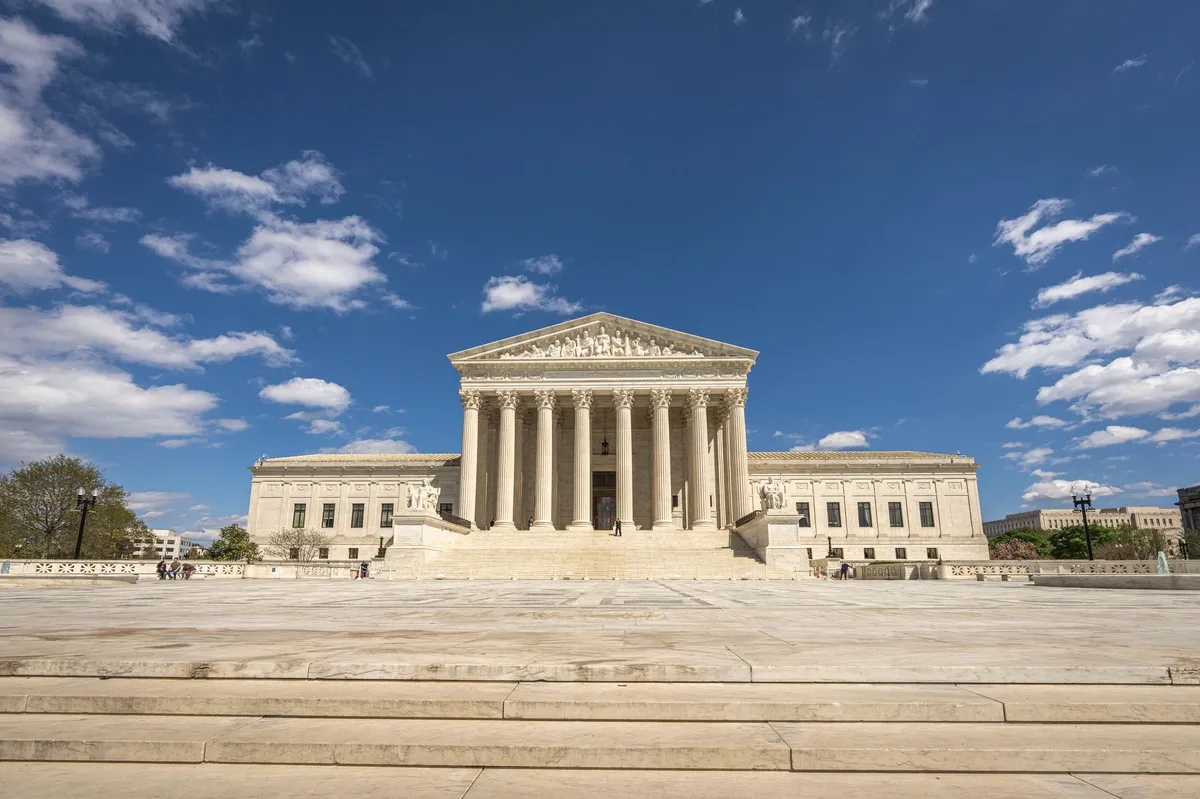
In a significant ruling that speaks to the contentious nature of electoral politics in the United States, the Texas Supreme Court has barred Galveston County from implementing newly drawn precinct boundaries ahead of the November elections. The court's decision is rooted in its finding that the redistricting efforts violated the Texas Election Code, which mandates consistency and uniformity in electoral processes throughout the state.
The unsigned opinion articulated a clear stance against the county’s decision to alter precinct lines post-March primaries, a move perceived as an attempt to skew the electoral landscape in favor of Republican candidates. As the political landscape becomes increasingly polarized, this ruling highlights the broader implications of gerrymandering on voter representation and electoral integrity.
Understanding Redistricting and Its Implications
Redistricting is the process of redrawing the boundaries of electoral districts, often following the census, to reflect population changes. In the United States, this process can significantly influence political power dynamics, particularly when it comes to congressional and state legislative seats. However, when the redistricting process is manipulated—often referred to as gerrymandering—it raises ethical and legal questions regarding fairness and representation.
In Galveston County, county commissioners approved new precinct boundaries in June, explicitly stating that one of their goals was to enhance the Republican Party's chances of winning upcoming elections. County Judge Mark Henry indicated that the new map was part of a broader strategy to establish Republican dominance in the region, stating, “I ran on the promise of being a fiscal conservative and turning Galveston County Republican.” This statement underscores the political motivations that often underlie redistricting efforts.
Legal Grounds for the Ruling
The Texas Supreme Court's decision hinged on the interpretation of state election laws. The court asserted that altering precinct lines after the primaries constitutes a disruption of the electoral process. The ruling emphasized that the primary and general elections are interlinked, designed to create a seamless electoral experience for voters. As the court articulated, “Decoupling the two changes the nature of both,” ultimately leading to voter confusion and potential disenfranchisement.
According to the court, such actions by county commissioners not only contradict the Texas Election Code but also pose serious constitutional concerns. The decision reflects a growing judicial scrutiny of redistricting practices that appear to favor one political party over another, thereby undermining the democratic process.

Impacts on Electoral Process and Voter Rights
The implications of the Texas Supreme Court's ruling extend beyond Galveston County. It serves as a critical reminder of the ongoing legal battles and public discourse surrounding gerrymandering across the nation. Advocacy groups, such as the Campaign Legal Center and the UCLA Voting Rights Project, have been actively challenging redistricting efforts that they argue disenfranchise voters, particularly in communities of color.
Mark Gaber from the Campaign Legal Center remarked on the significance of the ruling: “Today’s victory sends a clear sign that Galveston County cannot illegally disenfranchise its voters.” This sentiment resonates with a broader movement advocating for fair electoral maps that ensure equal opportunities for political participation.
- Gerrymandering can dilute the voting power of certain demographic groups.
- Electoral integrity is crucial for maintaining public trust in democratic processes.
- Legal challenges to redistricting efforts are becoming increasingly common.
Ongoing Legal Challenges
The legal battle surrounding Galveston County's redistricting efforts is far from over. Alongside the recent ruling, the Campaign Legal Center and the UCLA Voting Rights Project are also challenging the county's previous map in federal court, alleging that it constitutes unlawful racial gerrymandering. The outcome of these cases could have significant ramifications for how electoral maps are drawn and how voters are represented.
Paul Ready, an attorney representing the county, has dismissed the legal challenges as frivolous, labeling them a “purely litigation-driven farce.” He contends that the same groups that are opposing the new map have previously argued against the county’s earlier precinct maps, which they claim are discriminatory. Ready’s comments reflect the contentious nature of the debate, as both sides vie for control over the narrative and electoral landscape.
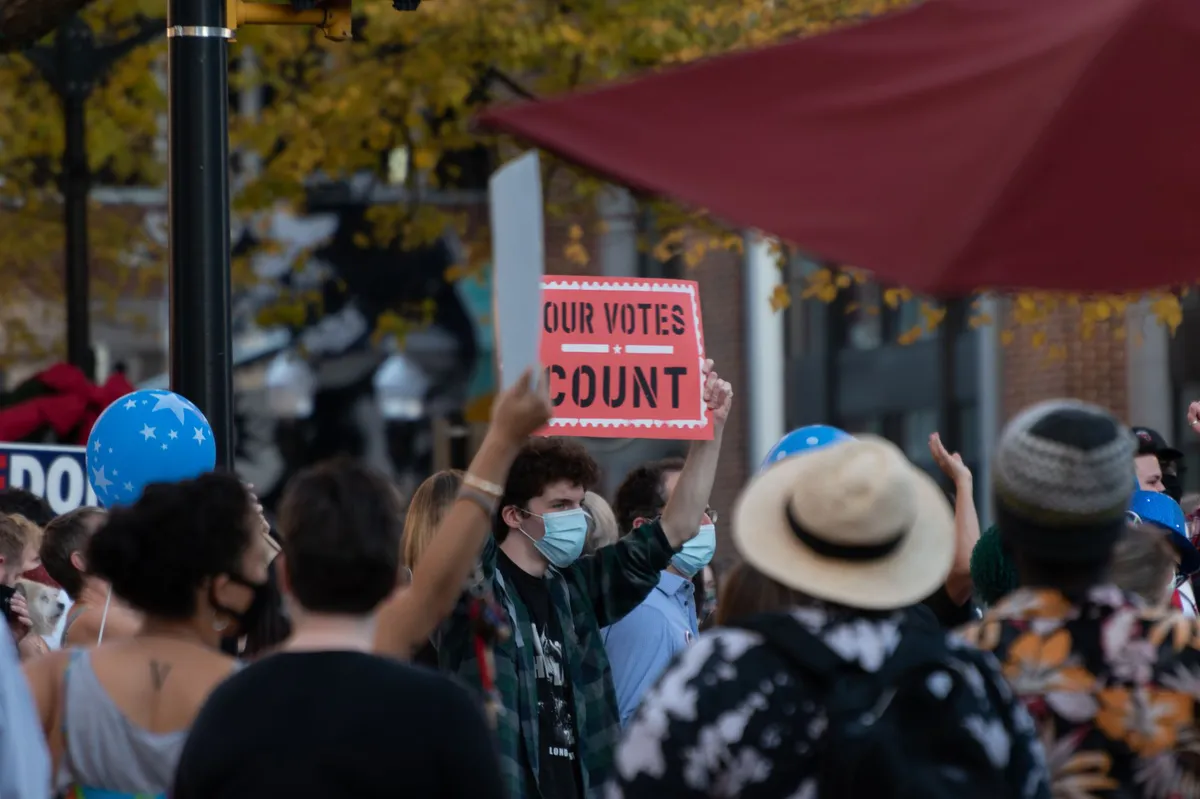
Looking Ahead: The Future of Electoral Maps
The Texas Supreme Court’s decision to block the new precinct boundaries in Galveston County raises essential questions about the future of electoral maps in Texas and beyond. With midterm elections approaching, the focus on fair representation is more critical than ever. As states grapple with balancing political power and ensuring equitable representation, the legal frameworks governing redistricting will likely continue to evolve.
Advocates for electoral reform argue that comprehensive measures are needed to prevent gerrymandering and ensure fair representation for all voters. This includes calls for independent redistricting commissions, which can help eliminate partisan bias in the drawing of electoral maps. With public trust in electoral processes at stake, the dialogue surrounding fair maps and voter rights remains crucial.
Key Takeaways
- The Texas Supreme Court has blocked new precinct boundaries in Galveston County, citing violations of the Texas Election Code.
- The court emphasized the importance of maintaining consistency between primary and general elections.
- Ongoing legal challenges highlight the contentious nature of gerrymandering and its impact on voter rights.
- Advocacy for fair electoral maps continues as groups seek to protect the integrity of the electoral process.
Frequently Asked Questions
What is gerrymandering, and why is it controversial?
Gerrymandering refers to the practice of manipulating electoral district boundaries to favor a particular political party or group. This practice is controversial because it can lead to unequal representation and dilute the voting power of specific demographic groups, undermining the principles of fair democracy. Critics argue that gerrymandering erodes public trust in the electoral process and can disenfranchise voters.
How does the Texas Supreme Court's ruling affect upcoming elections?
The Texas Supreme Court's ruling prevents Galveston County from implementing redrawn precinct boundaries for the upcoming November elections. This means that the elections will proceed using the precinct lines established before the controversial changes, maintaining consistency with the primary elections and ensuring that voters will not be unexpectedly shifted to different electoral races.
What are the next steps for those challenging the redistricting efforts?
Advocates challenging the redistricting efforts plan to continue their legal battles, including ongoing cases in federal court regarding previous maps they allege are racially discriminatory. These challenges aim to establish fair electoral maps that reflect the true demographic composition of the community and ensure that all voters have equal opportunities to participate in the political process.
How can voters get involved in the fight against gerrymandering?
Voters can participate in the fight against gerrymandering by supporting advocacy organizations that promote electoral reform, engaging in public discourse about fair representation, and advocating for policies such as independent redistricting commissions. Staying informed about local redistricting efforts and participating in public meetings can also empower voters to influence how electoral maps are drawn.
This content is general information, not legal advice.
Comments
Economic Turmoil: Inflation, Oil Prices, and Interest Rate Hikes Loom
As tensions with Iran escalate, rising oil prices contribute to inflation, influencing stock markets and prompting potential interest rate hikes by the Federal Reserve.

Related articles





Popular in Business Law
- Supreme Court Justices' Financial Disclosures: A Closer Look
- Vishal Garg's Leadership Fallout: The Rise and Fall of Better.com
- Former Intelligence Official Faces Penalty for Post-Government Misconduct
- Blank Rome Faces Lawsuit After Major Data Breach Exposes Personal Information
- Congress Faces Reckoning Over Member-Staff Relationships