Disbarment of Attorney in High-Stakes Insider Trading Scandal
A prominent attorney faces disbarment after pleading guilty to involvement in a significant insider trading operation. This case underscores the serious consequences of violating securities laws and the legal profession's ethical standards.
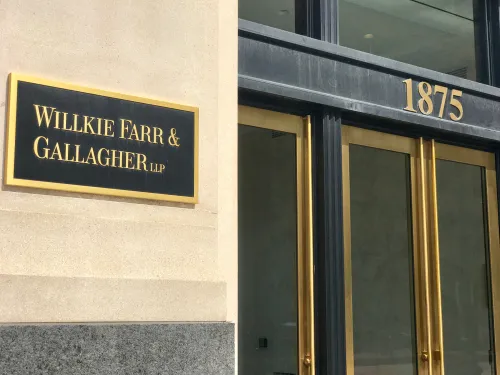
In a striking case that highlights the intersection of law and ethics, a well-known attorney has been disbarred following his guilty plea in a massive insider trading ring. This disbarment serves as a potent reminder of the legal profession's commitment to integrity and the severe repercussions that can arise from engaging in illegal activities. The repercussions are not just confined to the individual but also extend to the broader legal community, impacting public trust and the overall perception of the justice system.
The attorney, whose name has become synonymous with this high-profile case, was part of a network that exploited confidential information for personal financial gain. This scandal has reverberated across the legal and financial sectors, serving as a cautionary tale for attorneys and financial professionals alike about the importance of adhering to ethical standards and regulations.
The Mechanics of Insider Trading
Insider trading occurs when individuals with access to non-public, material information about a company trade its stocks or securities, thereby gaining an unfair advantage. This practice is illegal and undermines the integrity of financial markets. The consequences of insider trading can be severe, including hefty fines, imprisonment, and professional disbarment.
Why It Matters
The implications of insider trading extend beyond the individual offender. The credibility of financial markets relies heavily on the belief that all investors have equal access to important information. When insider trading occurs, it erodes this trust, leading to market volatility and unfair competition. The legal profession, in particular, is held to rigorous ethical standards, and violations such as these can have lasting effects on public perception and confidence in the legal system.
The Consequences of Disbarment
The disbarment of this attorney not only signifies a personal downfall but also serves as a broader warning within the legal community. Disbarment is a serious disciplinary action that results in the loss of the right to practice law. It is a reflection of the attorney's failure to uphold the ethical standards required by the profession, and it often leads to a tarnished reputation that can be difficult to recover from.
In this case, the attorney's disbarment follows a guilty plea, which highlights the legal process's role in holding individuals accountable for their actions. Legal professionals are expected to navigate complex regulations and maintain ethical integrity, and failure to do so can result in severe penalties.
Legal and Ethical Standards in the Profession
Legal professionals are bound by a code of ethics that governs their conduct. This code emphasizes the importance of honesty, integrity, and transparency. Violating these principles can lead to criminal charges, civil liability, and professional disbarment, as seen in this case. The attorney's actions not only breached legal statutes but also violated the trust placed in him by clients and the public.
Protecting the Public Interest
One of the primary roles of regulatory bodies, such as state bar associations, is to protect the public and ensure that legal practitioners adhere to the highest ethical standards. Disbarment serves as a crucial tool in maintaining the integrity of the legal profession. By removing those who engage in unethical conduct, these organizations help preserve public confidence in legal systems and the rule of law.
The Broader Impact on the Legal Community
This insider trading case and the subsequent disbarment of the attorney can have ripple effects throughout the legal community. It may prompt stricter regulations and enforcement actions, as well as increased scrutiny of attorneys involved in financial transactions. Additionally, this scandal may lead to greater transparency and accountability in legal practices, as firms and regulatory bodies reevaluate their compliance measures.
- Increased Scrutiny: Legal professionals may face heightened scrutiny regarding their financial dealings.
- Enhanced Regulations: Regulatory bodies may implement stricter rules to prevent insider trading.
- Public Confidence: Efforts will likely be made to restore public trust in the legal profession.

Key Takeaways
- The disbarment of an attorney involved in insider trading underscores the legal profession's ethical obligations.
- Insider trading not only harms individual careers but also undermines public trust in financial markets.
- Regulatory bodies play a crucial role in maintaining ethical standards within the legal community.
Frequently Asked Questions
What is insider trading?
Insider trading refers to the buying or selling of a publicly-traded company's stock based on non-public, material information about the company. It is illegal because it violates the principle of equal access to important information in the market.
What are the consequences of disbarment for an attorney?
Disbarment results in an attorney losing their license to practice law, which can significantly impact their career and professional reputation. It often also leads to difficulties in finding new employment or continuing in related fields, as the stigma of disbarment can linger long after the event.
How can the public protect itself from insider trading?
The public can protect itself by being aware of the signs of insider trading and advocating for transparency in financial markets. Reporting suspicious activity to regulatory bodies can also help maintain market integrity. Additionally, individuals can educate themselves about their rights as investors and the legal frameworks that govern trading practices.
Comments
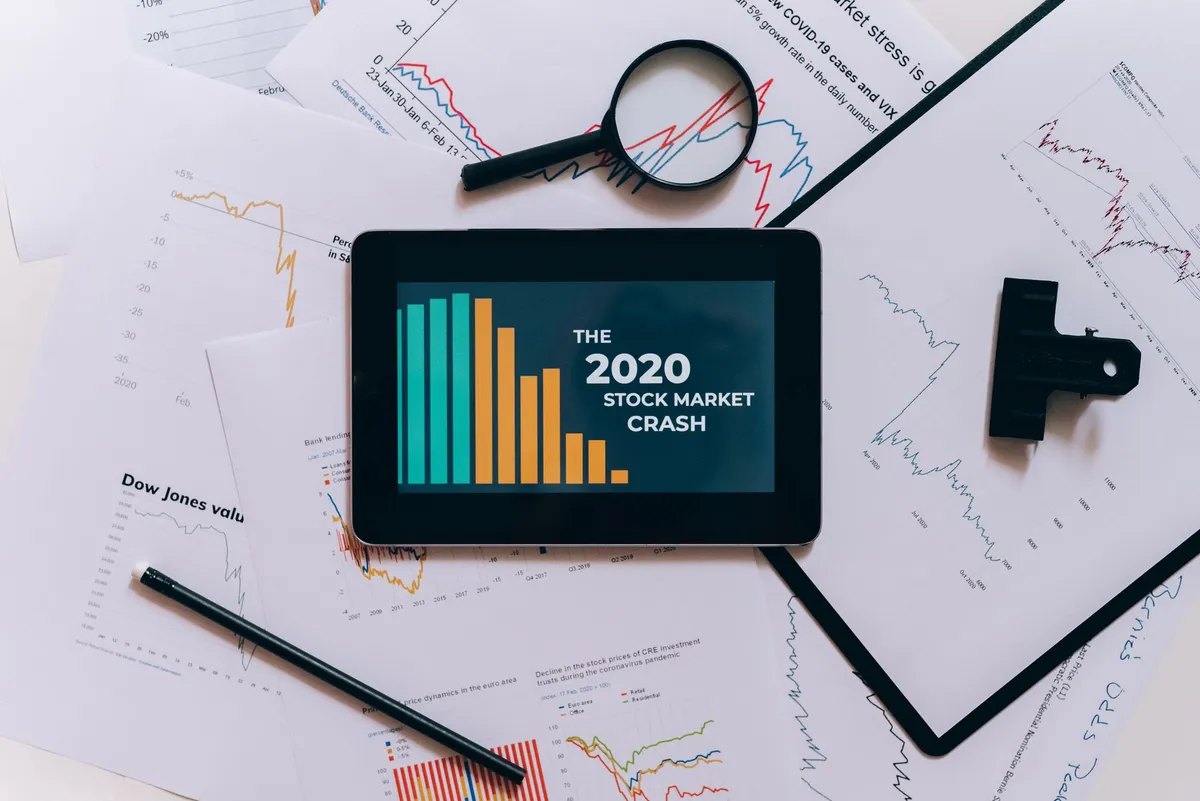
Economic Turmoil: Inflation, Oil Prices, and Interest Rate Hikes Loom
As tensions with Iran escalate, rising oil prices contribute to inflation, influencing stock markets and prompting potential interest rate hikes by the Federal Reserve.
Related articles






Popular in Business Law
- Supreme Court Justices' Financial Disclosures: A Closer Look
- Vishal Garg's Leadership Fallout: The Rise and Fall of Better.com
- Former Intelligence Official Faces Penalty for Post-Government Misconduct
- Blank Rome Faces Lawsuit After Major Data Breach Exposes Personal Information
- Congress Faces Reckoning Over Member-Staff Relationships