Understanding Liability in Aerial Lift Accidents on Construction Sites
Aerial lifts are essential in construction but can lead to severe accidents if not set up correctly. This article explores the complexities of liability in such incidents, the parties involved, and safety measures to prevent accidents.
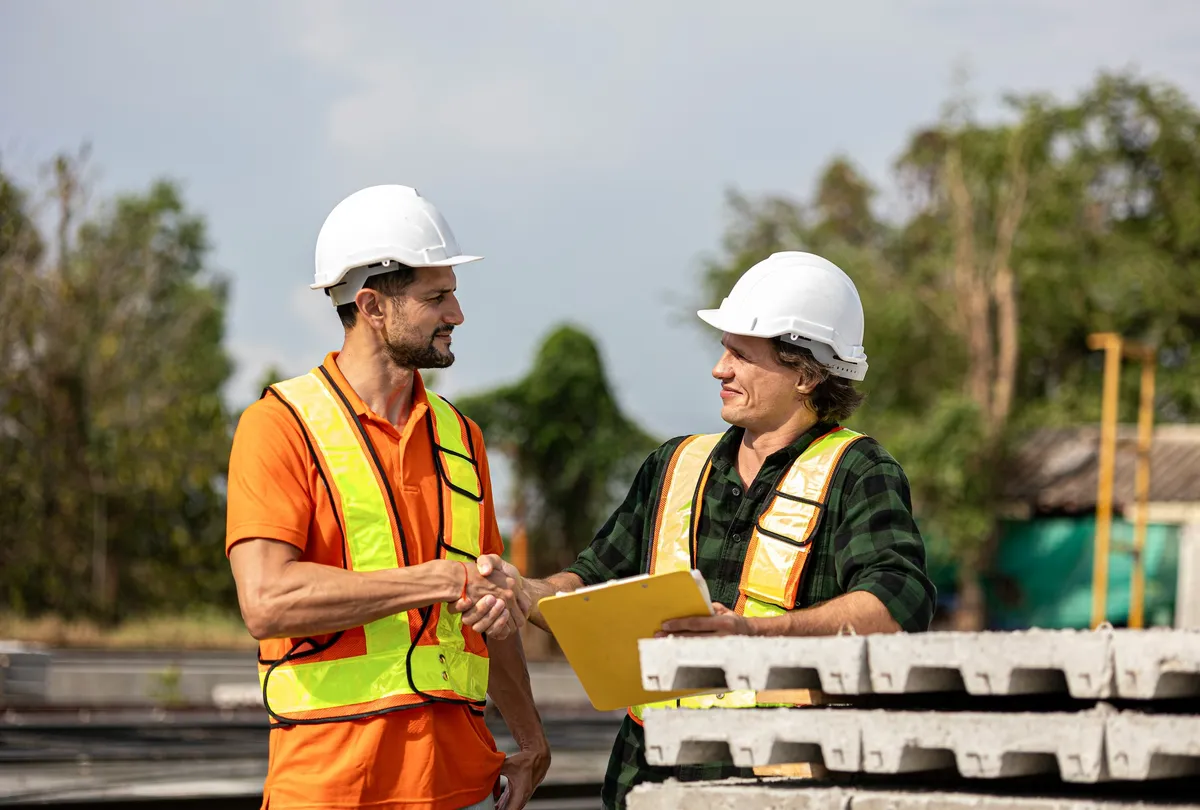
The construction industry relies heavily on aerial lifts for tasks ranging from electrical installations to roofing maintenance. While these machines provide workers with the ability to access high elevations safely, improper setup can transform a valuable tool into a significant hazard. Aerial lift accidents can lead to serious injuries or even fatalities, making it imperative to understand the complexities of liability when such incidents occur. Who is responsible when things go wrong? Is it the employer, the contractor, or perhaps the equipment rental company? These questions are crucial for injured workers seeking compensation and for employers aiming to mitigate their risk.
Understanding the legal landscape surrounding aerial lift accidents is essential for both workers and employers alike. Construction accident laws vary by state, meaning that the jurisdiction where an accident occurs plays a vital role in determining liability and potential compensation. As aerial lifts become more common on job sites, the need for stringent safety protocols and clear accountability has never been more pressing.
The Role of Aerial Lifts in Construction
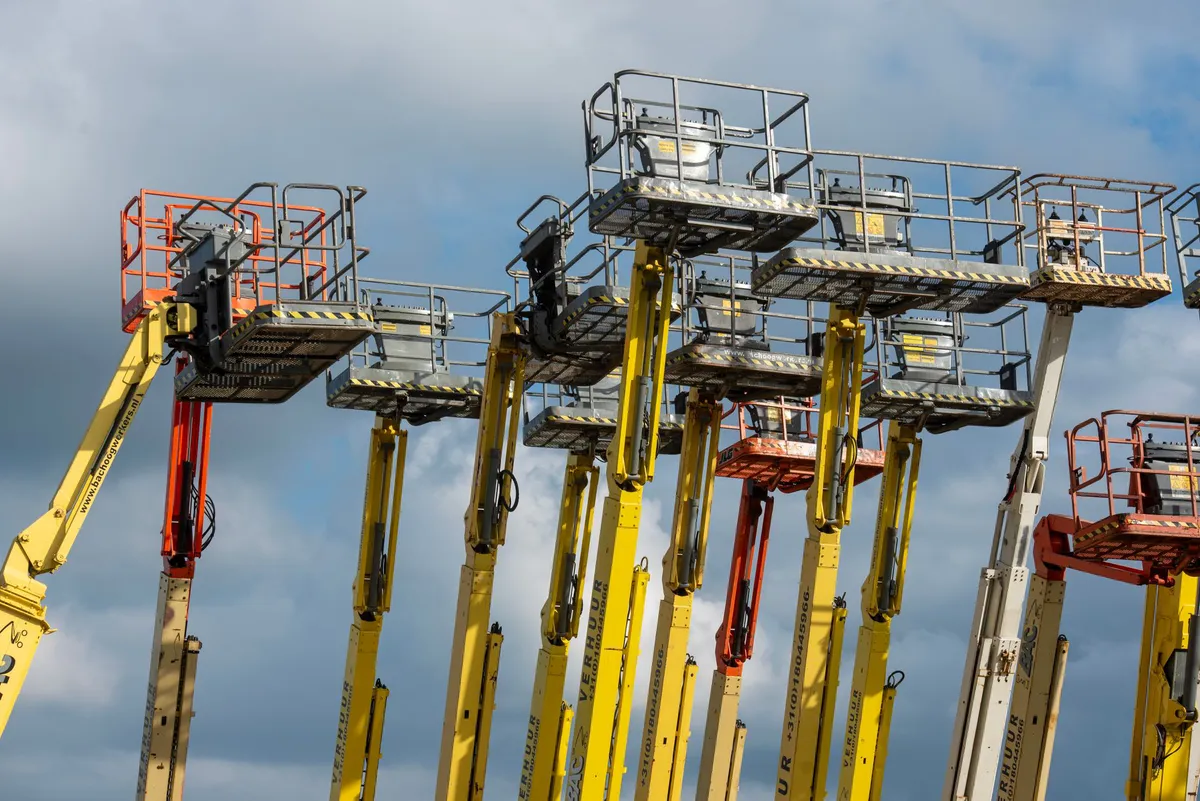
Aerial lifts, including boom lifts and scissor lifts, are critical for various construction activities. These machines allow workers to reach heights safely, facilitating work in a range of environments. However, the complexity of their operation requires meticulous attention to safety, particularly during setup. Missteps in positioning or operating these lifts can lead to catastrophic accidents.
Common Causes of Aerial Lift Accidents
Accidents involving aerial lifts can stem from a variety of factors:
- Improper Setup: If a lift is placed on unstable or uneven ground, it can tip over, leading to serious injuries.
- Inadequate Training: Workers must be properly trained to operate aerial lifts. Lack of training can lead to misuse and accidents.
- Equipment Malfunction: Defective or poorly maintained lifts can fail during operation, causing accidents.
- Overhead Hazards: Failing to account for power lines or other obstructions can result in dangerous situations.
- Exceeding Load Limits: Operating a lift beyond its capacity can cause it to collapse.
Determining Liability in Aerial Lift Accidents
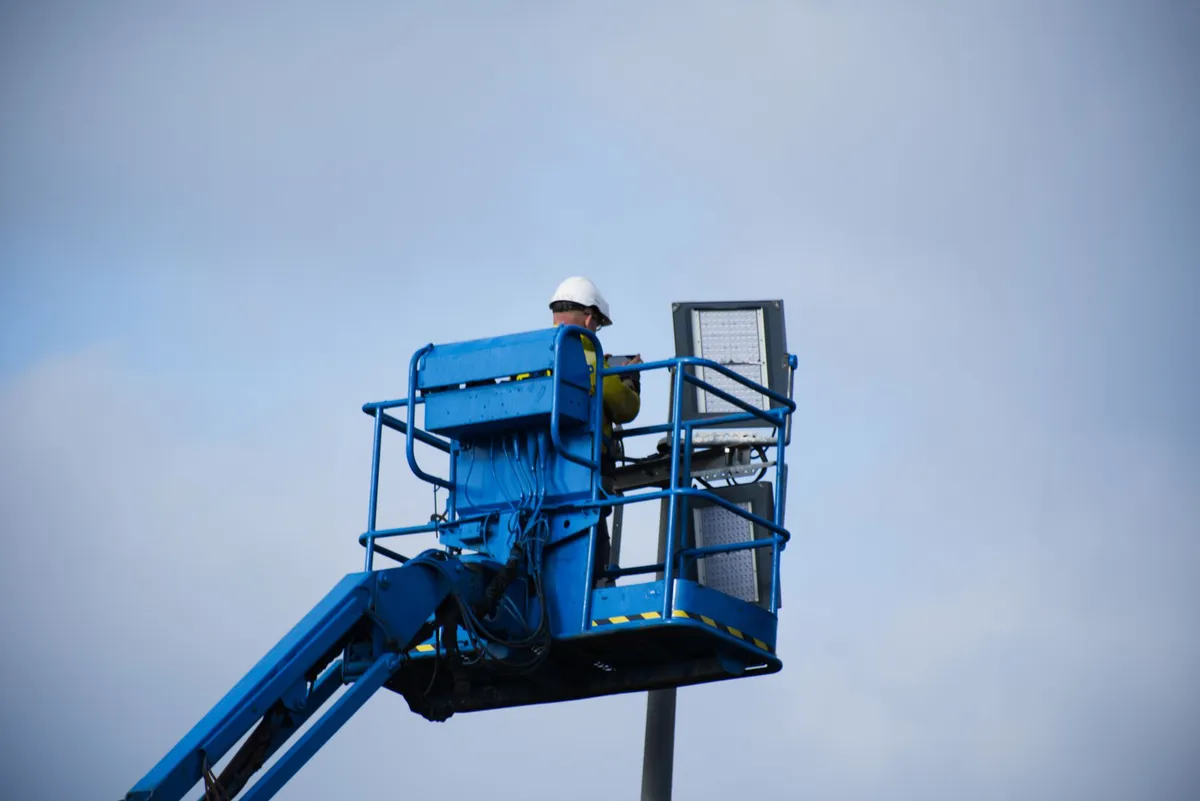
Establishing liability in an aerial lift accident can be complex, often requiring a detailed investigation into the circumstances surrounding the incident. Several parties could be held accountable, depending on the specifics of the case:
Employers
Employers hold a significant responsibility in ensuring that their workers are trained and that equipment is used safely. If an accident is traced back to a lack of training or inadequate safety measures, the employer may be deemed liable. OSHA (Occupational Safety and Health Administration) guidelines emphasize the importance of proper training and conducting thorough site inspections to identify potential hazards.
Contractors and Subcontractors
In many construction projects, multiple contractors and subcontractors are involved. General contractors often oversee the project while subcontractors handle specific tasks. If a subcontractor fails to follow safety protocols or if the general contractor does not ensure that proper procedures are in place, both parties can share liability.
Equipment Rental Companies
While rental companies provide necessary equipment, they are not automatically liable for how that equipment is used. However, if a rental company provides a defective lift or fails to maintain it properly, they can be held accountable if their negligence contributes to an accident. Documentation regarding maintenance and inspections can be critical in these cases.
Operators
The individual operating the aerial lift also bears responsibility. Operators must adhere to load limits, follow manufacturer instructions, and conduct required inspections. If an operator disregards safety protocols, their actions may contribute to liability.
Best Practices for Aerial Lift Safety
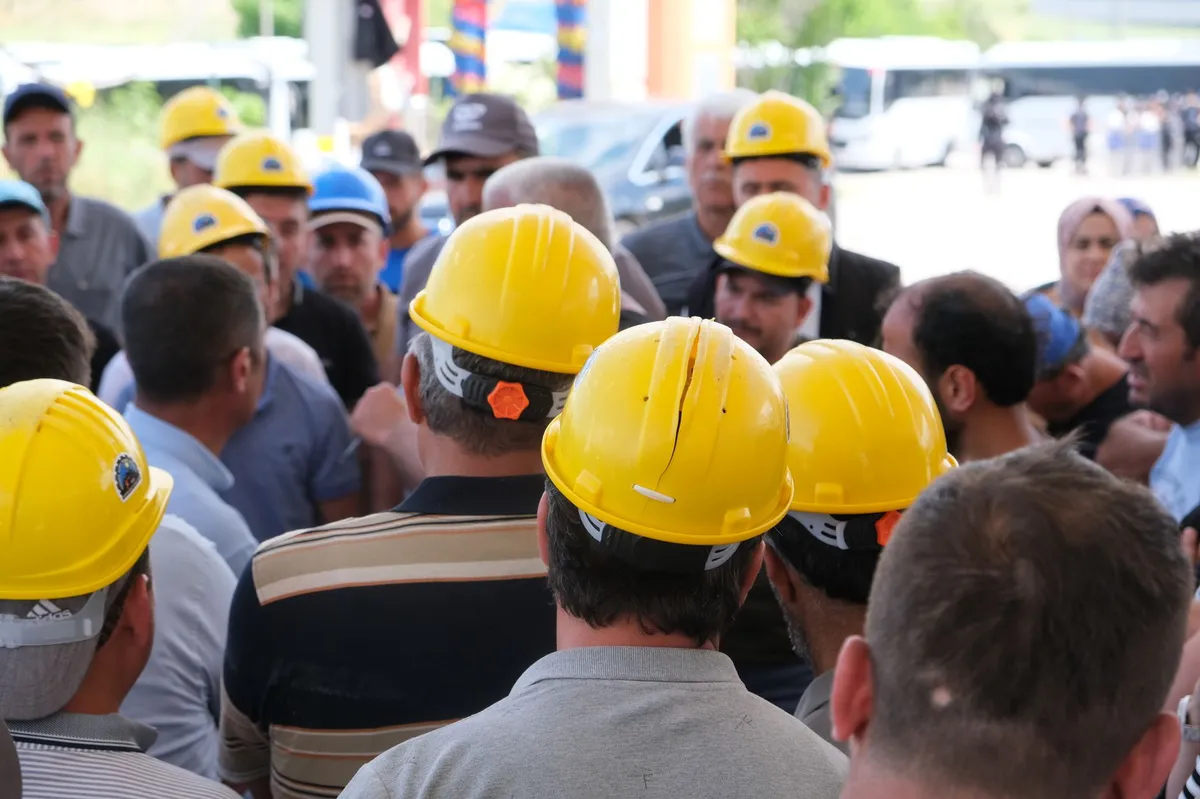
To prevent accidents and mitigate liability, construction teams must implement rigorous safety practices. Here are several proactive measures to consider:
- Conduct Thorough Site Inspections: Before using an aerial lift, assess the worksite for unstable surfaces, overhead hazards, and other potential dangers.
- Verify Equipment Suitability: Ensure that the selected lift is appropriate for the job, considering height, reach, and load capacity.
- Provide Comprehensive Training: All operators should receive adequate training on lift operation and safety protocols, including emergency procedures.
- Regularly Maintain Equipment: Equipment should be inspected and maintained regularly to ensure safe operation.
- Foster a Culture of Safety: Regular safety meetings and open communication can help identify potential risks before they lead to accidents.
Legal Considerations After an Accident
If an aerial lift accident occurs, it is vital for injured parties to gather evidence immediately. This includes:
- Photographs of the accident scene, including the lift’s position and surrounding conditions.
- Records of equipment maintenance and inspections.
- Witness statements from coworkers or bystanders.
It is also crucial for injured workers to consult with a skilled attorney who specializes in construction accidents. Given the complexities of liability in these cases, having legal representation can make a significant difference in navigating the claims process and securing appropriate compensation.
Key Takeaways
- Aerial lifts are essential in construction but pose significant risks if not set up properly.
- Liability for accidents can involve multiple parties, including employers, contractors, operators, and rental companies.
- Employers must adhere to OSHA regulations and ensure proper training and safety measures are in place.
- Evidence collection post-accident is critical for establishing liability.
- Consulting with an experienced attorney is vital for injured workers seeking compensation.
Frequently Asked Questions
What should I do immediately after an aerial lift accident?
Following an aerial lift accident, prioritize your safety and seek medical attention for any injuries. It’s important to document the scene thoroughly by taking photographs and gathering witness statements. Report the incident to your employer and ensure that an incident report is filed. If you are injured, consult with a lawyer who can guide you through the process of seeking compensation.
How can I determine liability after an aerial lift accident?
Establishing liability requires a comprehensive investigation into the circumstances of the accident. This typically involves reviewing maintenance records, training documentation, and the actions of all parties involved. Consulting with legal experts who understand the nuances of construction law is essential for navigating these complexities and determining who may be at fault.
What are the typical damages awarded in aerial lift accident cases?
Damages in aerial lift accident cases can vary significantly based on the severity of injuries, medical expenses, lost wages, and pain and suffering. In some cases, compensation can range from thousands to millions of dollars, depending on the circumstances and the degree of negligence involved.
How can construction companies prevent aerial lift accidents?
To minimize the risk of aerial lift accidents, construction companies should implement robust safety training programs, conduct regular inspections, and foster a culture of safety among all workers. Frequent safety meetings and meticulous site assessments can help identify potential hazards before they result in accidents.
Disclaimer: The content provided is general information and not legal advice.
Comments
Popular in Workers' Compensation
- Understanding Repetitive Strain Injuries in Warehouse Jobs: A Deep Dive
- Impact of IRS-DHS Data Sharing on Injured Immigrant Workers
- Understanding Workplace Injury Legal Support in Queens: A Vital Resource
- Navigating Long-Term Care Compensation After Workplace Injuries
- The Hidden Pressure to Appear Fine After an Injury: Navigating Recovery and Rights