The Hidden Pressure to Appear Fine After an Injury: Navigating Recovery and Rights
Injured workers often face immense pressure to downplay their pain and symptoms, which can jeopardize their recovery and legal claims. Understanding the implications of this pressure is crucial for safeguarding health and legal rights.
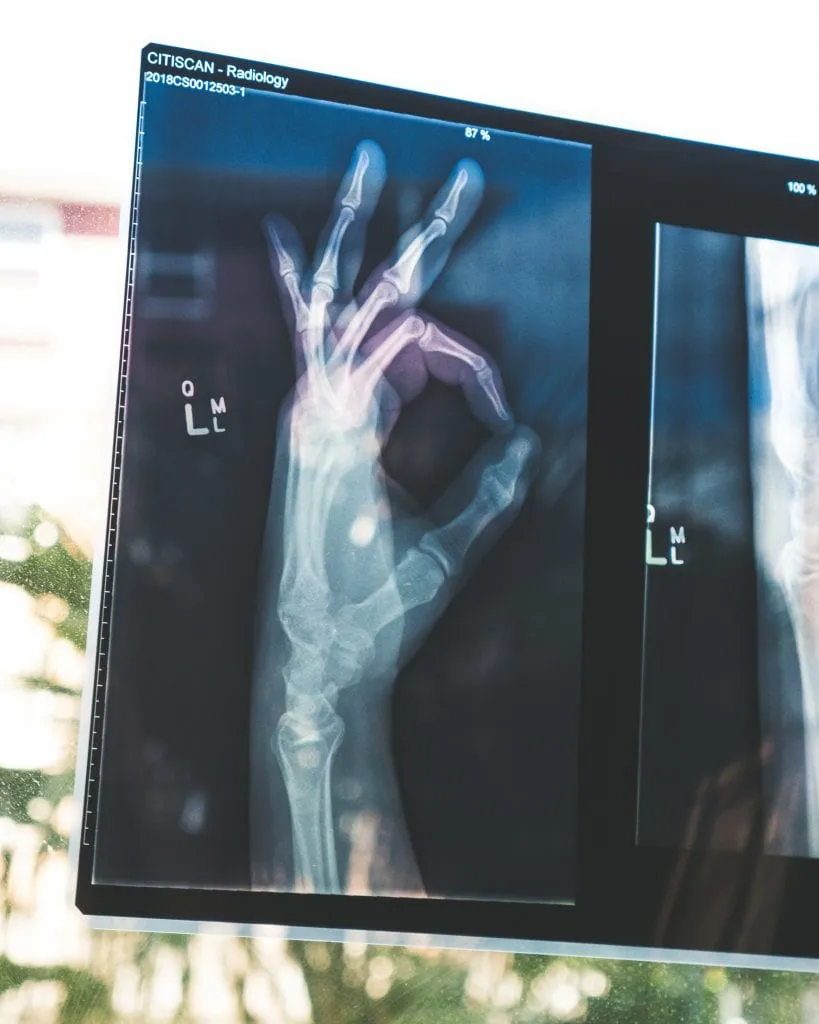
In the aftermath of an injury, many individuals grapple with a complex psychological battle: the pressure to present themselves as "fine" despite experiencing significant pain or limitations. This societal expectation, often fueled by workplace culture, family responsibilities, and personal beliefs, can lead to detrimental consequences for recovery and legal claims. Understanding these pressures is essential for anyone who has sustained an injury, particularly in a workplace setting, as it can affect everything from medical documentation to workers' compensation benefits.
For many, injuries such as back pain, joint problems, or neurological symptoms may not be outwardly visible. This invisibility often creates a sense of obligation to project an image of normalcy, which can be misleading and harmful. It is crucial to address this mindset and recognize how it can impact not only personal health but also the legal avenues available for compensation and recovery.

The Psychological Toll of Minimizing Symptoms
Injuries, particularly those that do not have visible manifestations, can lead to a psychological burden that encourages individuals to downplay their experiences. Many people find themselves in situations where they feel the need to assure colleagues, friends, or even medical professionals that they are doing well. This compulsion to present an image of strength can stem from:
- Workplace Culture: Many workplaces value reliability and productivity, creating an environment where employees fear being perceived as weak or incapable.
- Financial Pressures: The need to meet financial obligations, such as rent or bills, can push injured individuals to return to work prematurely.
- Social Expectations: Family and social circles may inadvertently reinforce the idea that one must maintain normalcy, adding to the pressure to appear fine.
When individuals downplay their injuries, they may inadvertently compromise their recovery and the necessary medical documentation that supports their claims for compensation. This dynamic can create a vicious cycle, where the desire to appear unaffected leads to a lack of proper care and documentation, ultimately hindering the healing process.
The Impact of Workplace Culture on Injury Reporting
Work environments often prioritize attendance and productivity, placing undue pressure on employees to work through pain. This culture can be particularly pronounced in physically demanding jobs, where pushing through discomfort is often seen as a badge of honor. Such attitudes can lead to:
Delayed Injury Reporting
Many employees may hesitate to report an injury for fear of being viewed as unreliable or weak. This delay can have serious implications, as timely reporting is critical for both medical treatment and legal claims. The longer one waits to report an injury, the more challenging it becomes to establish a clear connection between the injury and the workplace incident.
Ignoring Medical Advice
Another consequence of workplace pressures is the tendency to ignore medical restrictions. An individual may feel compelled to return to work before fully healing, which can exacerbate the injury and prolong recovery. Adhering to medical advice and respecting work limitations is crucial for both health and legal documentation.

Understanding How Minimizing Symptoms Affects Legal Claims
Legal claims, particularly in the realm of workers' compensation, are heavily reliant on accurate documentation of injuries and symptoms. When an injured worker minimizes their condition, it can lead to significant challenges:
Insurance Adjustments and Claim Denials
Insurers often scrutinize medical records and statements made by claimants. If a claimant tells a healthcare provider that their pain is "not too bad," this statement can be used against them later in the claims process. Insurers may argue that the claimant's condition worsened after the initial report, undermining their claim.
Establishing a Credible Record
Creating a credible record of symptoms and limitations is essential in supporting a claim for workers' compensation or personal injury. It is important for injured parties to accurately describe their experiences to healthcare providers, ensuring that all symptoms are documented. This record can be critical in establishing the severity of the injury and the impact on the individual's ability to work.
Strategies for Protecting Your Health and Rights
To navigate the challenges of recovery while protecting legal rights, injured individuals can take several proactive steps:
- Be Honest with Healthcare Providers: Communicate openly about symptoms and limitations. This honesty will help ensure accurate medical records.
- Document Everything: Keep a detailed record of symptoms, treatment, and how the injury affects daily life. This documentation can be crucial if legal claims arise.
- Follow Medical Advice: Adhere to any restrictions or recommendations provided by healthcare professionals. Ignoring medical advice can complicate recovery and legal claims.
- Report Injuries Promptly: As soon as an injury occurs, report it to the appropriate parties at work to create an official record.
- Consult a Legal Professional: Consider seeking legal advice from a workers' compensation attorney to understand your rights and options.

Key Takeaways
- Minimizing injury symptoms can jeopardize recovery and legal claims.
- Workplace culture may pressure employees to downplay their injuries.
- Accurate documentation is crucial for successful insurance claims.
- Open communication with healthcare providers is essential for proper treatment.
- Seeking legal advice can help protect your rights while recovering.
Frequently Asked Questions
What should I do if I feel pressured to downplay my injury?
If you feel pressured to minimize your injury, it is important to prioritize your health. Communicate openly with your healthcare provider about your symptoms and limitations. Document everything related to your injury and consider consulting with a legal professional to understand your rights and options in navigating workplace expectations.
How can I ensure my workers' compensation claim is successful?
To increase the likelihood of a successful workers' compensation claim, report your injury as soon as possible and keep detailed records of all medical treatments, symptoms, and how the injury affects your ability to work. Be truthful in your statements to healthcare providers, as this documentation will play a critical role in your claim.
What if I return to work too soon and worsen my injury?
If you return to work prematurely and exacerbate your injury, consult your healthcare provider immediately. They can assess your condition and adjust your treatment plan as necessary. Additionally, it’s crucial to communicate with your employer about your limitations to prevent further complications.
Comments
Popular in Workers' Compensation
- Understanding Repetitive Strain Injuries in Warehouse Jobs: A Deep Dive
- Understanding Liability in Aerial Lift Accidents on Construction Sites
- Impact of IRS-DHS Data Sharing on Injured Immigrant Workers
- Understanding Workplace Injury Legal Support in Queens: A Vital Resource
- Navigating Long-Term Care Compensation After Workplace Injuries